Would you feel safe on Spain’s trains? Transport minister insists they are safe
By Nazario Rodriguez • Updated: 30 Oct 2026 • 21:01 • 3 minutes read
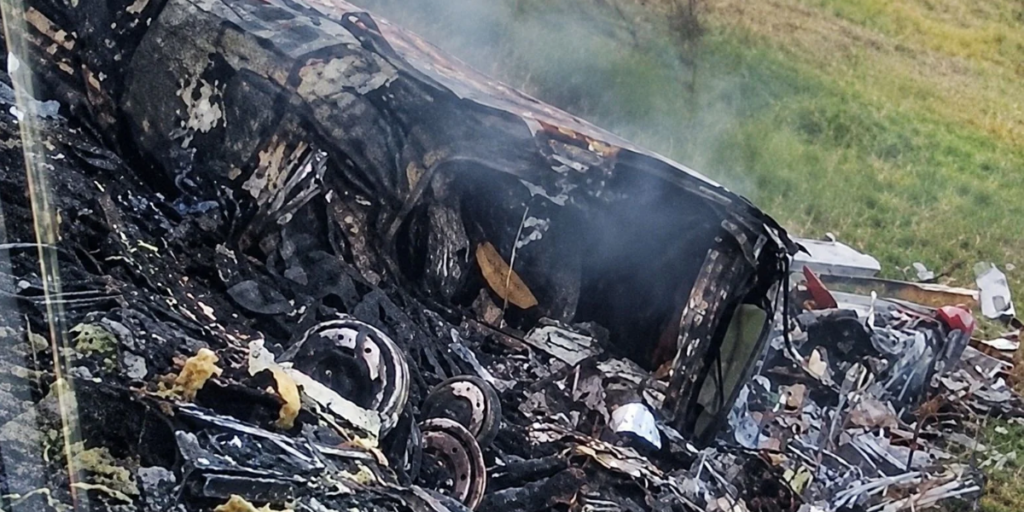
Eyewitness described a desperate effort to rescue passengers Credit: Rafa Martín FB (passenger)
An unfinished safety upgrade, repeated outages and criticism of the minister’s response have left the Government facing questions that passengers deserve to see answered.
If you travel by train in Spain, the deadly collision near Toledo raises a question that affects every journey. What protects you when a safety system fails? With an overdue upgrade still unfinished and earlier faults already reported, passengers deserve to know why the remaining safeguards did not prevent the crash and what will change to keep them safe.
The collision between a Renfe AVE and an Iryo train near Urda killed 69 people. Investigators must establish exactly what happened. The Government must also explain the decisions, delays and arrangements that preceded it.
A safety upgrade remained unfinished
Adif awarded a €93.8 million contract in 2021 to replace the LZB train control system on the Madrid to Andalucía line with ERTMS. The project had a 52 month schedule, with completion expected in 2026.
The replacement was still not operational when the collision happened. Transport Minister Óscar Puente now says it is expected to enter service in early 2027, attributing the delay to the complexity of installing equipment while keeping trains running.
Earlier problems had also been raised. Three weeks before the crash, Iryo’s chief executive told a Senate committee that drivers had experienced trains stopping and taking time to reconnect after LZB faults.
These details do not establish that the delayed upgrade caused the collision. They do require an explanation of how the risks were assessed while the existing system remained in service.
A reliable system with 160 outages
During the transports minister’s appearance on Friday morning, he defended LZB as highly reliable while acknowledging 160 outages during 2026 so far.
According to 20minutos, the minister said 75 per cent involved external circumstances, including maintenance and track works. His argument was that the system responded correctly by stopping trains.
That distinction matters. An outage does not automatically mean the system failed to protect passengers. But repeated interruptions make the procedures used afterwards particularly important. If outages are expected, the arrangements for managing them must reliably keep trains apart.
In January, EWN questioned how repeated disruption had become normal on Spain’s railways. The Toledo disaster gives that concern a far more serious dimension.
Why did safety depend on a human decision?
We live in a world where passengers can follow an aircraft’s journey across continents on a phone. Trains also have tracking and signalling systems, making the circumstances of this collision difficult to comprehend. How could one train be authorised to continue towards another stopped on the same track?
Tracking a vehicle and automatically preventing a collision are different functions. Nevertheless, passengers deserve to understand why the information and safeguards available did not keep these trains apart.
Puente said that when technology fails, people must take over. He announced that protocols, training, staffing and the verification of decisions would be examined.
His explanation left a crucial question unresolved. When automatic safeguards become unavailable, what protects passengers if the person managing the situation makes the wrong decision?
Investigators must establish which protections remained available at Urda and how they were used. Saying that staff must take over does not explain why the remaining procedures failed to prevent the collision.
The transport minister’s response and the Ministry’s record
Puente’s first appearance after the crash drew strong criticism for focusing on an apparently mistaken instruction from Adif’s control room before investigators had established the full circumstances. Railway unions accused him of singling out a worker while wider questions remained unanswered.
On Friday, he ruled out resigning and promised not to use any worker as a shield. Identifying an operational mistake would not, by itself, settle questions about the delayed upgrade, maintenance, staffing or supervision.
The Ministry also faces a public trust problem shaped by the record of former minister José Luis Ábalos. In October, the Supreme Court rejected attempts by Ábalos and his former adviser Koldo García to overturn their corruption convictions. The offences included bribery and the misuse of public funds. The judgment also addressed jobs obtained for associates in public companies, as EFE’s reporting details.
Those convictions do not establish a connection with the collision. But they add another layer to concerns about a ministry where delays, faults and scandals risk becoming accepted as normal. Each requires its own answers. Together, they make assurances alone insufficient to restore public trust.
The Government must explain why the upgrade was delayed, how earlier faults were handled and whether the protections maintained during that delay were adequate.
Passengers should not have to choose between trusting technology and trusting that a worker will never make a mistake. They deserve a system designed to protect them when either fails, and ministers willing to answer for how that protection is delivered.
Follow Euro Weekly News on Google News
Get breaking news from Spain, travel updates, and expat stories directly on your Google News feed.
Follow on Google NewsSign up for personalised news
Subscribe to our Euro Weekly News alerts to get the latest stories into your inbox!
By signing up, you will create a Euro Weekly News account if you don't already have one. Review our Privacy Policy for more information about our privacy practices.

Nazario Rodriguez
I’ve worked in news media for over 10 years, previously as Production Manager at Euro Weekly News, and I now focus on audience strategy and content performance. I specialise in understanding what readers engage with and shaping content that serves them well.
Comments