Selling a Spanish home from the UK? Your step-by-step guide, from the 3% hold-back to the tax bill
By Harry Dennis • Published: 31 Oct 2026 • 17:14 • 4 minutes read
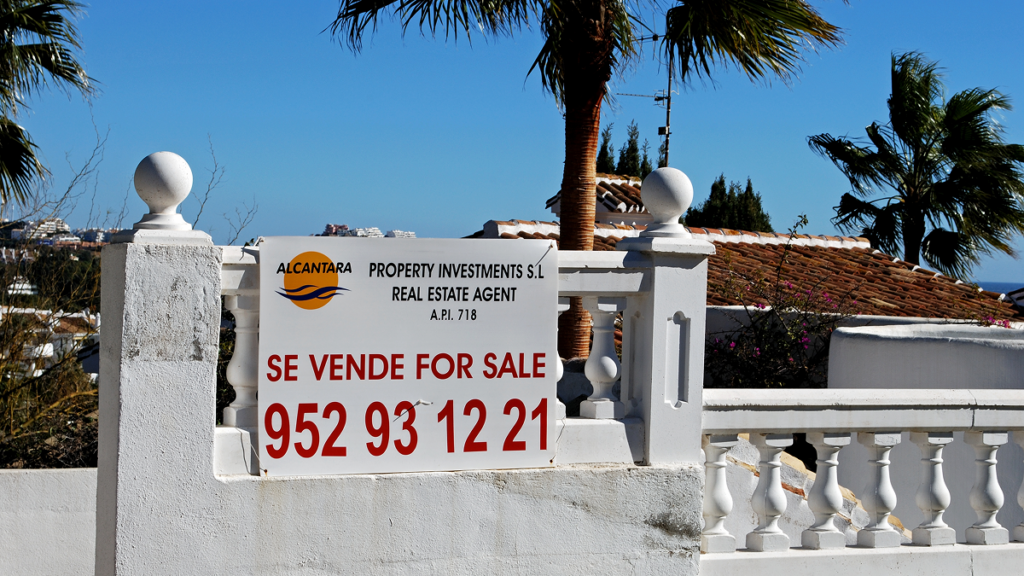
The buyer must hold back 3 per cent of a non-resident’s sale price. Credit: Caron Badkin / Shutterstock
Brits selling a Spanish home from the UK won’t receive the full sale price, because Spanish law makes the buyer hold back 3 per cent and send it straight to the taxman. That’s only a payment on account, so the seller must then file their own tax return, with a council land tax and a report to HMRC to deal with as well. Here’s every step, in order.
Step one: check you count as a non-resident
Spain generally treats you as a non-resident if you spend fewer than 183 days a year in the country and your main work and money are based elsewhere, which covers most Brits with a holiday home or who’ve moved back to the UK.
If you actually live in Spain, different rules apply, including an exemption for over-65s selling their main home, so this guide isn’t for you.
Step two: gather the paperwork before you list
Buyers’ lawyers will ask for the same documents every time, so having them ready can save weeks. Start with your title deed (escritura) and a nota simple, an extract from the Property Registry showing who owns the home and whether it carries any debts, which costs €9.20 online.
You’ll also need an energy certificate, which costs roughly €60 to €130 and has to be shown to buyers when you advertise and attached to the sale contract, plus a certificate from your community of owners confirming you’re up to date with fees. Some regions also demand a cédula de habitabilidad (a habitation certificate), at around €60 to €160.
If there’s a mortgage, it must be cancelled at the registry as well as paid off, which costs about €400 if you do it yourself or around €480 through a gestoría (an administrative agent). All in, selling costs typically run from 5 to 15 per cent of the price, depending on the region.
Step three: read the reservation contract closely
Once you’ve agreed a price, the buyer usually pays a deposit under a contrato de arras (reservation contract). In the most common type, a buyer who pulls out loses the deposit, while a seller who pulls out must hand back double. Check that it names the property, what’s included, the price and the signing deadline before you put pen to paper.
Step four: expect the buyer to hold back 3 per cent
At the notary (the official who witnesses the sale), the buyer can’t simply pay you the full price. By law they must keep 3 per cent of it and pay it to the Spanish tax agency (Hacienda) on your behalf, using a form called Modelo 211, within a month of the sale. That money isn’t your final tax bill but a payment on account, so on a €250,000 sale, €7,500 is gone before you see a cent, whether you made a profit or not.
Ask the buyer for a copy of the Modelo 211, because it’s your proof later. If you can’t travel for the signing, a power of attorney can cover it.
Step five: deal with the council’s plusvalía
‘Plusvalía municipal’ is a local tax on the rise in value of the land under your home, not the building. It’s worked out from the land’s cadastral value (the council’s official figure) and how long you’ve owned it, and it must be declared within 30 working days.
If you sold for less than you paid, nothing is due, though you still need to declare it and show your deeds. When the seller lives abroad, the buyer is legally the one who pays, so check how your contract handles it.
Step six: file your own tax return, even at a loss
This is the step people miss. Non-residents must file Modelo 210, their own tax return, whatever the result, and the window opens a month after the sale and closes four months after it.
Spain taxes the gain at 19 per cent. The gain is your sale price minus what you paid, with your buying costs, improvements and selling costs (agent’s fees, plusvalía, mortgage cancellation) taken off, so keep every receipt.
Here’s how that works on our own rough sums, ignoring costs. Bought for €150,000 and sold for €250,000, you’d owe about €19,000 on a €100,000 gain, minus the €7,500 already withheld, so around €11,500 more. Bought for €260,000 and sold for €250,000, you’d owe nothing, but the €7,500 only comes back if you file.
One catch is that residents of the EU and EEA can avoid tax by reinvesting in a new main home, though Brits living in the UK can’t normally use that relief.
Step seven: tell HMRC as well
UK residents must report gains on overseas property in their UK tax return. Under the UK and Spain tax treaty, the Spanish tax you paid can be credited against any UK bill on the same gain, up to the amount of that UK bill.
However, the gain is worked out in pounds using the exchange rates on the days you bought and sold, so you can owe UK tax even if you made no profit in euros.
So before you accept an offer, ask a Spanish tax adviser to work out your likely gain, and keep every receipt from the day you bought, because each one can shrink the bill.
Follow Euro Weekly News on Google News
Get breaking news from Spain, travel updates, and expat stories directly on your Google News feed.
Follow on Google NewsSign up for personalised news
Subscribe to our Euro Weekly News alerts to get the latest stories into your inbox!
By signing up, you will create a Euro Weekly News account if you don't already have one. Review our Privacy Policy for more information about our privacy practices.




Harry Dennis
Born in the UK and raised on the Cádiz coast, Harry brings a creative eye to his writing, sharing stories that celebrate culture and lifestyle across Spain and beyond.
Comments