Dog and cat owners in Spain move onto one national ID system: what to check before the deadline
By Harry Dennis • Published: 11 Nov 2026 • 13:20 • 3 minutes read
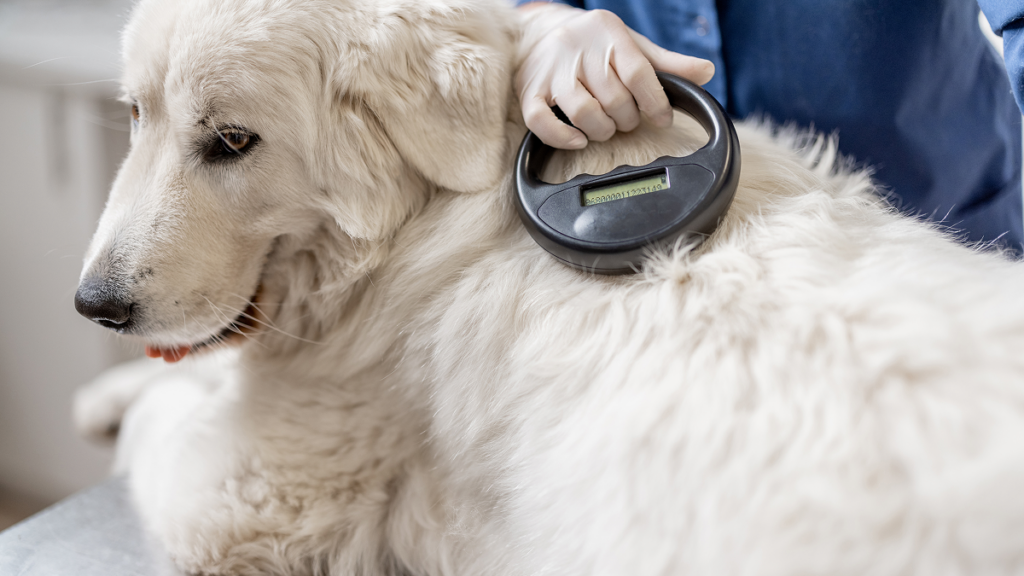
Brits who moved to Spain with a UK-chipped pet may still need to add it to a Spanish register. Credit: RossHelen / Shutterstock
Dog, cat and ferret owners across Spain are moving onto one national identification system after the government signed off the first decree putting the country’s animal welfare law into practice. For Brits who brought a pet over from the UK, the microchip it already carries might not be enough on its own.
One ID system for every pet in the country
Owners of dogs, cats and ferrets will now have their pets recorded under the same rules wherever they live in Spain, after the Consejo de Ministros approved the new identification decree on Tuesday November 10.
Each region already runs its own pet register, and those stay in place. However, they’ll all be linked into one central system, known as SICERPA, the central register for animal protection, so the same basic details are held on every pet and can be checked wherever it turns up.
Every dog, cat and ferret must be microchipped before it’s two months old, with the chip placed under the skin on the left side of the neck, while pet birds get a ring carrying a code instead. Only licensed vets can register animals, replace faulty chips and issue pet passports, and the government said the aim is to tackle illegal trafficking, cut abandonment and make sure animals change hands properly.
Why a UK microchip might not be enough
Plenty of owners will think ‘he’s chipped, so he’s covered’, and that’s where many Brits in Spain could get caught out. Pets chipped back home keep their original chip, as the draft decree makes clear, but having a chip and being on a Spanish register aren’t the same thing.
In the UK, chip details sit on commercial databases including Petlog, with microchipping compulsory for dogs in England since 2016 and for cats since Monday June 10, 2024. In Spain, the record that counts is the official regional register, such as RAIA, Andalucía’s pet identification register, for owners on the Costa del Sol and in Almería.
Under the draft, anyone arriving from abroad to stay for more than four months has one month from arrival to get their pet onto the register. Pets moving between Spanish regions have up to four months to be registered in their new one, and if a foreign chip doesn’t meet the standard used in Spain, the owner has to provide a reader that can scan it.
Unregistered pets could end up in the town hall’s name
The draft gives owners of dogs, cats and ferrets that still aren’t identified and registered 12 months from when the decree takes effect to sort it out. After that, the animal is registered in the name of the local council rather than the owner.
It also sets tight deadlines for paperwork many owners never think about. Anyone taking on a pet, whether it’s bought, adopted or given as a gift, needs the change of owner recorded within three working days of signing the contract, and a pet’s death has to be reported within seven working days.
The decree has only just been approved, though, and its final wording hasn’t appeared yet in the Spain’s official state gazette (BOE), so these deadlines could still differ from the version put out for public consultation.
Fines for an unidentified pet already reach €50,000
The decree doesn’t bring in new penalties of its own. Instead, owners who break it are dealt with under the animal welfare law that came into force in September 2023, which treats failing to identify a pet as a serious offence, with fines of €10,001 to €50,000.
Regional governments get 12 months to bring their own registers into line with the new system, so the coming year is the window for owners to make sure their pet’s details are complete and up to date.
Three more pet rules are racing the election
This is the first of four decrees needed to put the 2023 law fully into practice. The other three cover the detailed rules for the law itself, places that keep animals including breeders, shelters and pet shops, and the long-awaited list of species people will be allowed to keep as pets.
With a general election on Sunday November 29, the government’s director general for animal rights said there’s still time to approve them before a new government is formed, and that they could follow in the weeks after if not.
In the meantime, owners who brought a pet from the UK and never registered it in Spain can ask their vet to check whether it’s on the regional register, and get it added if it isn’t.
Follow Euro Weekly News on Google News
Get breaking news from Spain, travel updates, and expat stories directly on your Google News feed.
Follow on Google NewsSign up for personalised news
Subscribe to our Euro Weekly News alerts to get the latest stories into your inbox!
By signing up, you will create a Euro Weekly News account if you don't already have one. Review our Privacy Policy for more information about our privacy practices.





Harry Dennis
Born in the UK and raised on the Cádiz coast, Harry brings a creative eye to his writing, sharing stories that celebrate culture and lifestyle across Spain and beyond.
Comments