Mercedes freezes all new spending at German plants and weighs factory closures
By Adam Woodward • Published: 13 Nov 2026 • 21:33 • 2 minutes read
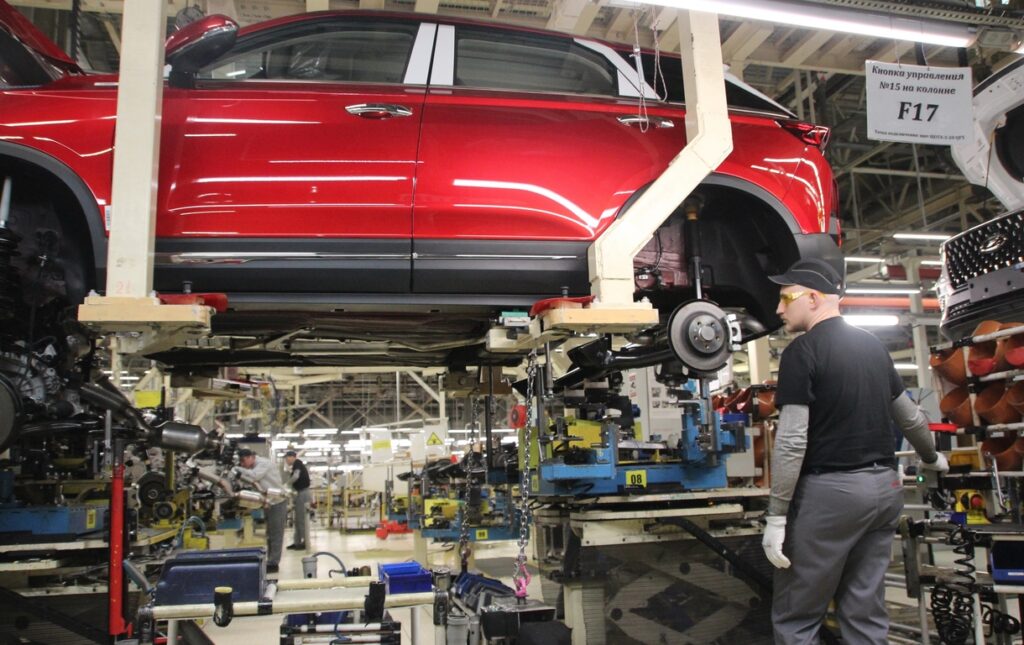
Mercedes production line. Credit: Alexander Gafarro - Shutterstock
Mercedes freezes all new spending at German plants and weighs factory closures after stalled labour talks, high costs and a sharp drop in China sales.
Mercedes-Benz has stopped every further investment at its German factories and is now checking which sites it can still keep open. Production chief Michael Schiebe told staff in an internal interview that the board had “jointly decided to halt all further investments in our German locations” because current costs make new spending impossible.
Labour director Britta Seeger said a quick deal with the works council and IG Metall looks unlikely. She added that the company must examine “concretely and in detail which locations we can still afford in Germany” and that plant closures would now have to be looked at more seriously, even though management wants to avoid them.
Why the investment freeze has happened now
Talks over cutting labour costs have dragged on for months without progress. Mercedes wants longer working hours without extra pay and other productivity steps so German plants can compete. Schiebe pointed out that an hour of production work in Germany can cost up to five times as much as at Eastern European sites. CEO Ola Källenius has used a simple cost index to show the gap: Germany at 100, the United States around 80, Hungary at 30, Romania at 20 and China between 10 and 20.
Without an agreement, future models could be built only outside Germany. Existing projects already under way will continue for the moment.
China weakness and wider industry pressure
Falling sales in China have made the cost problem harder to ignore. Deliveries there dropped by roughly 30 per cent in recent quarters as luxury demand cooled and local Chinese brands offered cheaper electric cars. Mercedes has already cut its full-year profit guidance for the cars division to 2–3 per cent and launched a wider savings programme.
Tariffs, price pressure and high energy costs in Europe have added to the strain. The German auto industry as a whole has shed tens of thousands of jobs over the past year. Suppliers such as Bosch have also cut hours and pay for thousands of workers, while Volkswagen is locked in its own tough talks over possible plant closures.
European plants outside Germany are not affected
Mercedes plants in other European countries are not covered by the freeze. The company’s expanded factory in Kecskemét, Hungary, and the van plant in Vitoria-Gasteiz, Spain, continue as normal and have received recent investment. Management has made clear that lower-cost European sites remain part of its production plans.
No specific German factory has been named for possible closure yet. Workers at sites including Sindelfingen, Rastatt, Bremen and several powertrain plants now face months of uncertainty while talks continue. IG Metall has rejected the company’s demands and plans further warning strikes.
Mercedes still says it prefers a negotiated solution, but the investment stop shows how far the company is prepared to go if German costs stay high. Readers in Spain who follow the European car industry can track further developments on the Euro Weekly News site, including earlier coverage of German job losses and the latest EU moves on petrol and diesel cars.
Follow Euro Weekly News on Google News
Get breaking news from Spain, travel updates, and expat stories directly on your Google News feed.
Follow on Google NewsSign up for personalised news
Subscribe to our Euro Weekly News alerts to get the latest stories into your inbox!
By signing up, you will create a Euro Weekly News account if you don't already have one. Review our Privacy Policy for more information about our privacy practices.


Adam Woodward
Adam is a writer who has lived in Spain for over 25 years. With a background in English teaching and a passion for music, food, and the arts, he brings a rich personal perspective to his work at Euro Weekly News. As a father of three with deep roots in Spanish life, Adam writes engaging stories that explore culture, lifestyle, and the everyday experiences that shape communities across Spain.
Comments