Renovating a Spanish villa? The interior trends expats are choosing
By Nicola EWN • Published: 13 Nov 2026 • 10:27 • 3 minutes read
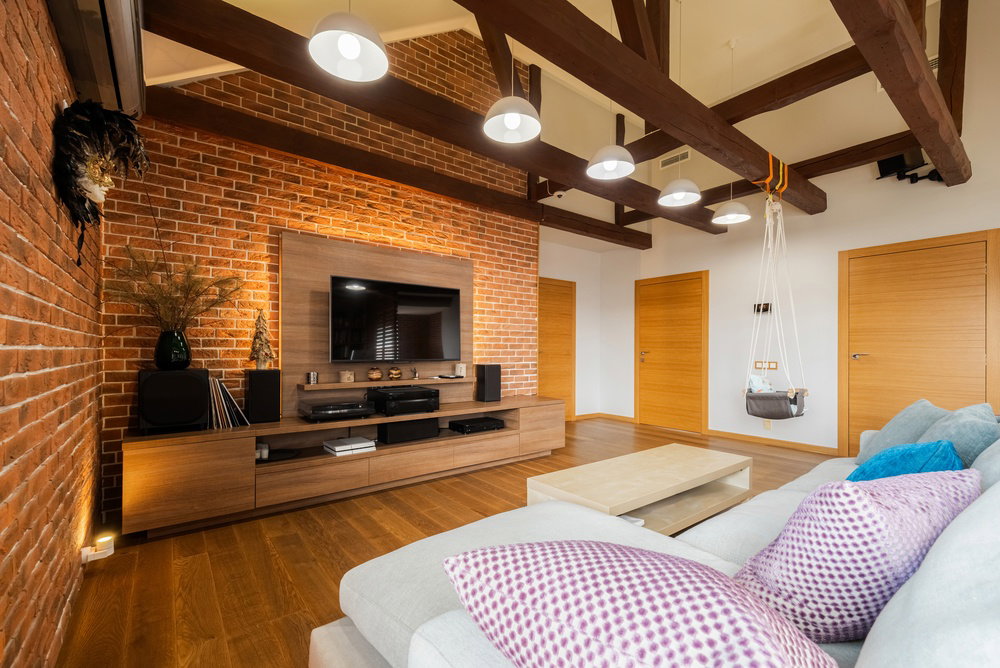
Credit: Valiantsin Orsik /Shutterstock.com
Buy an older villa on the Costa del Sol and you inherit a certain look. Heavy dark beams. Glossy ochre floor tiles. A kitchen built around a breakfast bar nobody has eaten at since 2004. Then comes the fun part: deciding what to keep and what to rip out.
British and Northern European buyers have been reshaping Spanish interiors for years now, and the pattern is clear. Spanish property registry figures have shown foreign buyers accounting for roughly 15 per cent of all home sales in recent years, with Brits consistently near the top of that list. Most of those purchases are resales, not new builds. Which means renovation, and plenty of it.
Here is what expats are actually choosing once the keys are in hand.
Warm wood is back, but not the wood you remember
The minimalist white box phase has cooled. Walk into a recently finished villa in Marbella or Jávea and you will see timber everywhere again. The difference is the tone and the finish.
Gone are the orange-tinted pine ceilings. In their place: oak, walnut and ash in flat matt finishes, often used as full-height wall panelling or wrapped around kitchen islands. Veneered panel products have become the practical choice for this, partly because solid timber behaves badly in a climate that swings from 38°C in August to damp coastal winters. Specifiers working on these projects frequently turn to the Shinnoki decor collection for pre-finished veneered panels that deliver a real wood surface without the on-site sanding, sealing and swearing.
Why pre-finished matters in Spain
Anyone who has managed a build from 2,000 kilometres away will understand the appeal. Fewer wet trades on site means fewer delays. Fewer delays mean the villa is ready for the October rental season rather than the following spring.
One Surrey couple I spoke to about their Mijas renovation put it bluntly: every extra trade they needed added a fortnight to the schedule. Panels that arrive finished cut that risk out entirely.
Kitchens: Open, but not entirely
The fully open-plan kitchen has had its moment. What is replacing it is a sort of halfway house. Broken-plan, some designers call it. A kitchen that connects to the living space but can be partly screened off with a joinery wall, a run of tall cabinetry, or a sliding timber panel.
There is a practical reason behind the trend. Spanish cooking generates heat and strong aromas, and a villa with cross-ventilation rather than central air conditioning needs somewhere for that to go. Nobody wants fried garlic lingering in the sofa cushions for three days.
Popular choices right now:
Handleless cabinetry in matt lacquer or veneer, usually in off-white, clay or deep green
Stone or sintered worktops rather than granite, with waterfall edges on islands
Integrated appliances hidden behind full-height doors
A second sink on the terrace, because most cooking happens outside from May onwards
Floors: The great terrazzo revival
Those original terrazzo and marble chip floors that previous owners covered with laminate? They are suddenly desirable. Grinding and polishing an existing terrazzo floor typically costs far less than full replacement, and the result looks genuinely of its place.
Where floors are beyond saving, large-format porcelain in warm limestone tones is the default. Big tiles, minimal grout lines, and the same material running from the living room out to the pool terrace so the boundary blurs. Underfloor heating has also crept in, which surprises people. Winter nights in the Sierra foothills drop lower than most buyers expect.
One thing expats get wrong
Timber flooring near a pool. It sounds idyllic. It warps, silvers and splinters within three summers unless you choose a species that can take it, and even then the maintenance is relentless. Most people regret it.
Colour Palettes borrowed from the landscape
Stark white walls reflect Spanish light so aggressively that interiors can feel clinical by mid-afternoon. Designers have responded by pulling colour from outside the window: olive, terracotta, sand, dusty rose, and the particular faded blue you see on shutters across Andalusia.
Lime wash and mineral paints have become popular for this, giving walls a soft, slightly mottled depth that flat emulsion cannot match. They also breathe, which matters in older masonry buildings prone to damp.
Textiles follow the same logic. Linen, jute, raw cotton. Nothing synthetic, nothing that traps heat.
Budgeting honestly
A full villa refurbishment on the coast generally lands somewhere between €900 and €1,500 per square metre for a decent standard, and considerably more if you are moving walls or upgrading electrics to current regulations. Older properties often need rewiring regardless of appearance.
Build in a 15 per cent contingency. Ask for the licencia de obra paperwork before anyone swings a hammer. And visit at least twice during the work if you possibly can, because photographs sent by WhatsApp hide an enormous amount.
Get those basics right and the trends take care of themselves. The villas that age well are rarely the most fashionable ones. They are the ones that feel like they belong where they stand.
Follow Euro Weekly News on Google News
Get breaking news from Spain, travel updates, and expat stories directly on your Google News feed.
Follow on Google NewsSign up for personalised news
Subscribe to our Euro Weekly News alerts to get the latest stories into your inbox!
By signing up, you will create a Euro Weekly News account if you don't already have one. Review our Privacy Policy for more information about our privacy practices.





Nicola EWN
Nicola is a member of the editorial team specialising in features, digital content and online publishing. With broad experience across media and communications, she works across feature articles, editorial content and digital platforms, managing content across a range of subjects.
Comments