Torrox migrant hotel row: Four-star Costa del Sol hotel sparks debate as Spain records almost 33,000 ‘irregular’ arrivals in 2026.
By Adam Woodward • Updated: 14 Nov 2026 • 15:07 • 2 minutes read
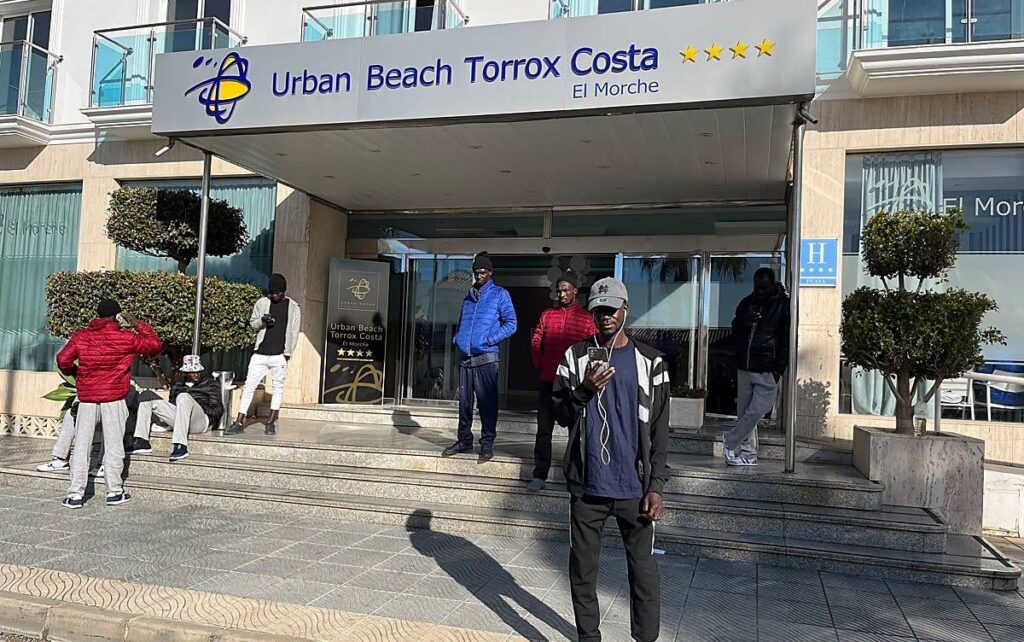
El Morche hotel at centre of debate. Credit: Jesús López FB
Four-star Costa del Sol accommodation sparks debate as Spain records almost 33,000 irregular arrivals in 2026.
A viral Facebook post about the Urban Beach Hotel in El Morche has reignited debate over migrant accommodation in the Axarquia, as figures reveal almost 33,000 irregular arrivals in Spain during the first ten months of 2026.
Shared by Jesús López on Friday, November 13, the post claimed around 200 migrants had arrived at the former four-star hotel and questioned the impact on local businesses. It also suggested asylum applicants cannot work while their cases are processed.
Spain’s migrant arrivals increase
According to the Spanish Interior Ministry’s latest irregular migration figures, 32,942 people entered Spain illegally between January and October, an increase of 8.9 per cent compared with the same period last year. Of these, 28,155 arrived by sea and 4,787 by land. Arrivals by sea on mainland Spain reached 7,615, up 15.5 per cent year-on-year.
Recent transfers from the Canary Islands have brought additional pressure on mainland reception services. According to regional reports on migrant accommodation in Malaga, around 300 people had been transferred to the province by November 14.
Where are migrants being housed?
The Red Cross was assisting around 275 people in Malaga city and Torrox, including approximately 200 at the Urban Beach facility. CEAR was accommodating another 17, with a further 15 expected. Its accommodation network has a capacity of 835 places across Malaga city and Antequera.
The Torrox centre has operated since October 2023. In 2025. Red Cross figures showed that more than 160 of its 362 residents had found employment, mainly with local fruit and vegetable businesses.
What about the impact on Torrox?
Facebook contributors have challenged the suggestion that the town depends almost entirely on tourism, pointing to its agricultural sector and demand for migrant labour.
Spanish regulations also allow asylum applicants to work six months after their applications are admitted for processing, subject to legal requirements. Questions have also been raised about reported accommodation costs of around €60 per person daily, although no contract or breakdown of services has been provided. Rumours of another reception centre opening in Cartama have circulated, but no official confirmation has been located.
The debate is not new. Torrox councillors previously questioned the use of tourist accommodation for migrant reception, as reported in Euro Weekly News’ coverage of the local migration debate.
Meanwhile, Granada province has organisations including Cruz Roja, CEAR and Granada Acoge providing migrant assistance, although their presence does not establish that they operate comparable emergency reception centres.
The debate raises questions about how Spain distributes responsibility for migrant accommodation, supports local communities and helps newcomers move into employment.
Follow Euro Weekly News on Google News
Get breaking news from Spain, travel updates, and expat stories directly on your Google News feed.
Follow on Google NewsSign up for personalised news
Subscribe to our Euro Weekly News alerts to get the latest stories into your inbox!
By signing up, you will create a Euro Weekly News account if you don't already have one. Review our Privacy Policy for more information about our privacy practices.




Adam Woodward
Adam is a writer who has lived in Spain for over 25 years. With a background in English teaching and a passion for music, food, and the arts, he brings a rich personal perspective to his work at Euro Weekly News. As a father of three with deep roots in Spanish life, Adam writes engaging stories that explore culture, lifestyle, and the everyday experiences that shape communities across Spain.
Comments