Guardia Civil turns to public to hunt down 19 of Europe’s most wanted fugitives
By Molly Grace • Published: 15 Nov 2026 • 11:20 • 2 minutes read
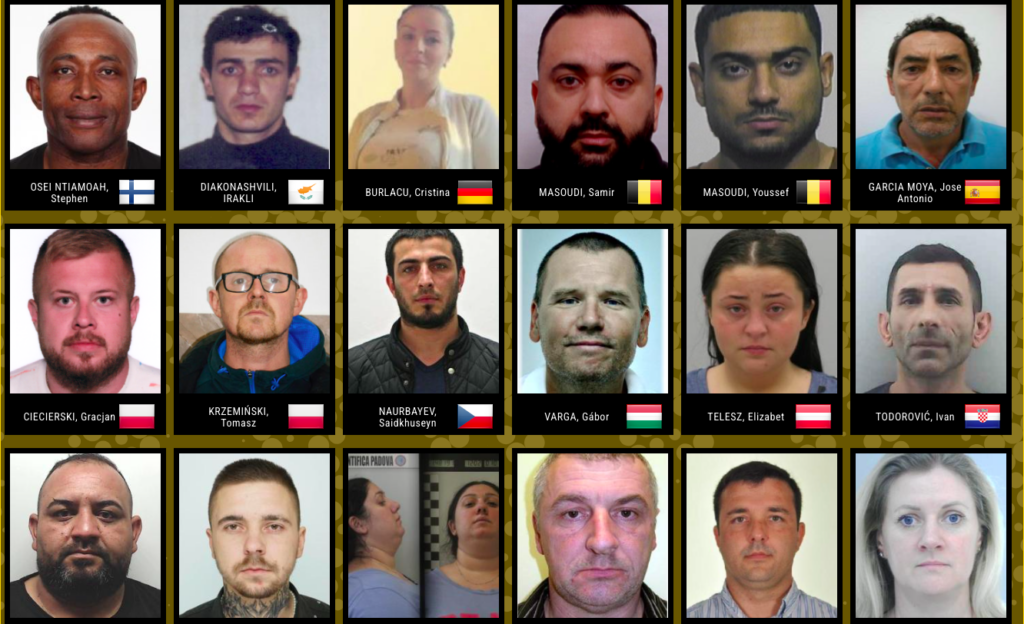
Anyone who thinks they have spotted a wanted person should not approach them. Photo credit: Eumostwanted.eu
Have you walked past one of Europe’s most wanted criminals without realising? They could be living under a false identity, travelling through Spain or simply blending into everyday life. Now the Guardia Civil has released a video showing 19 of Europe’s most wanted fugitives, asking the public to look at their faces and help police track them down.
Anyone who recognises one of the people featured, or has information about their whereabouts, is being urged to contact the Guardia Civil on 062. The appeal is part of a new Europol campaign targeting fugitives wanted for serious offences, including crimes against children and fraud against older people.
Who are the 19 fugitives?
The campaign, launched by Europol on November 12, features 19 people wanted by authorities in 14 countries. Their alleged offences include child sexual exploitation and fraud targeting older people. The cases involve people suspected of exploiting some of society’s most vulnerable victims.
Europol is using its Europe-wide network to circulate their photographs and details, hoping someone will recognise them or know where they are hiding. Spain is among the countries represented in the campaign. Two Spanish fugitives, José Antonio García Moya and Segundo Cousido, have been identified in coverage of the new appeal.
Why police are asking for your help
The Guardia Civil has published a dedicated page for people who may have information about the fugitives. Anyone who recognises a face or believes they know where one of the individuals is can call 062 or email huidos@guardiacivil.org. The full profiles, including photographs and details of the cases, are also available through Europol’s EU Most Wanted website.
People can submit information anonymously through the website, which passes reports directly to the national fugitive teams handling each case. Police are warning the public not to approach anyone they believe they recognise. Any information should be passed to the authorities rather than shared with the individual or posted publicly.
‼️‼️‼️SE BUSCA‼️‼️‼️
🚨 Han cometido delitos contra personas vulnerables, explotación sexual infantil y estafas a personas mayores, entre otros.
🆘 Son los 19 más buscados de Europa, y necesitamos tu ayuda para localizarles.
📲 Consulta sus perfiles en la plataforma:
https://t.co/qDX5VObGwl
👉donde cualquier ciudadano puede aportar pistas sobre el paradero de los sospechosos de forma anónima.@Europol
#EUMostWanted #HelpUsFindThem
— Guardia Civil (@guardiacivil) November 14, 2026
Public tips have already helped catch fugitives
The appeal comes as the EU Most Wanted website marks its tenth anniversary. Since it was launched in 2016 by the European Network of Fugitive Active Search Teams (ENFAST), with Europol’s support, 191 fugitives have been arrested while their profiles were featured online. In 58 of those cases, information supplied by members of the public helped police make the arrest. The figures show why investigators are asking people to look carefully at the photographs rather than assuming the person they recognise could not be wanted abroad.
There have already been 16 arrests involving people featured on the website during 2026, with four of those cases helped by public information. The latest campaign covers fugitives sought by authorities in Austria, Belgium, Croatia, Cyprus, Czechia, Estonia, Finland, France, Germany, Hungary, Italy, Luxembourg, Poland and Spain. A face recognised in a video could provide investigators with a lead they have been missing. Anyone with information can contact the Guardia Civil on 062 or use Europol’s anonymous reporting facility
Follow Euro Weekly News on Google News
Get breaking news from Spain, travel updates, and expat stories directly on your Google News feed.
Follow on Google NewsSign up for personalised news
Subscribe to our Euro Weekly News alerts to get the latest stories into your inbox!
By signing up, you will create a Euro Weekly News account if you don't already have one. Review our Privacy Policy for more information about our privacy practices.




Molly Grace
Molly is a British journalist and author who has lived in Spain for over 25 years. With a background in animal welfare, equestrian science, and veterinary nursing, she brings curiosity, humour, and a sharp investigative eye to her work. At Euro Weekly News, Molly explores the intersections of nature, culture, and community - drawing on her deep local knowledge and passion for stories that reflect life in Spain from the ground up.
Comments