Seven British patients among nine deaths linked to popular Spanish painkiller Nolotil, new study reveals
By Lottie Verrier • Published: 16 Nov 2026 • 12:04 • 4 minutes read
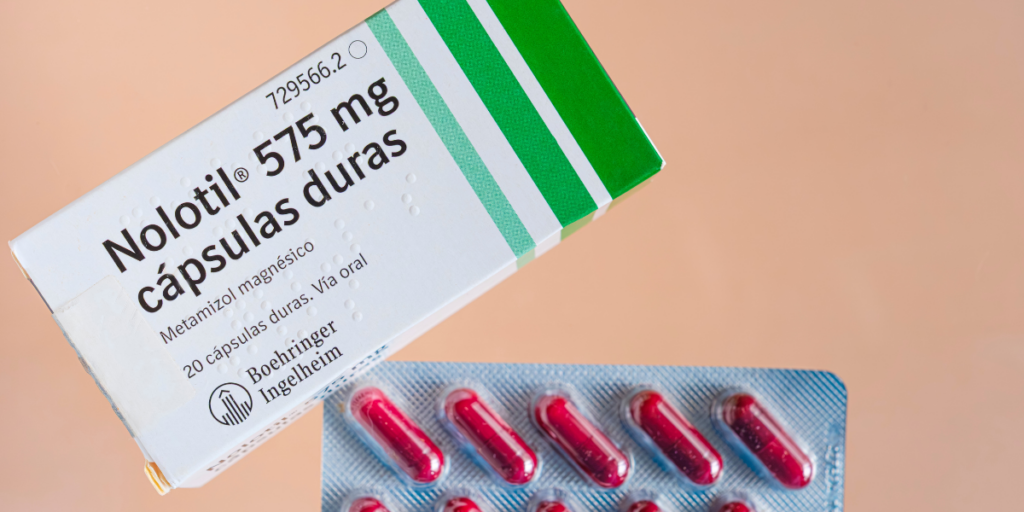
Nine deaths and 41 hospital admissions identified Credit: Shutterstock/SeluGallego
For thousands of Britons living in Spain, visiting a doctor or collecting a prescription from a local pharmacy is part of everyday life. Yet a medication routinely prescribed here may be completely unfamiliar to someone arriving from the UK.
Nolotil, which contains the active ingredient metamizole, is widely used in Spain to treat pain and high fever. However, it is not authorised for use in Britain because of concerns about a rare but potentially life-threatening blood disorder.
Now, findings from an investigation covering five healthcare districts in Alicante province have brought the long-running debate over its safety back into the spotlight.
The findings, reported by Spanish newspaper El País on Monday, November 16, are particularly concerning for British residents along the Costa Blanca, where the medication is prescribed within communities with substantial UK populations.
Nine deaths and 41 hospital admissions identified
The investigation examined cases recorded during 2016 and 2017 across the healthcare districts of Denia, Villajoyosa, Torrevieja, San Juan and Orihuela.
Researchers identified 41 patients admitted to hospital with agranulocytosis associated with metamizole use.
Of those patients, 26 were British, 11 were Spanish, and the remaining four came from Denmark, the Netherlands, Sweden and Morocco.
Nine patients died, including seven British nationals and two Spaniards.
The findings came from an internal Valencian government report prepared in 2019, which had not previously been published. Researchers from Gandia’s Hospital Francesc de Borja subsequently presented the work at specialist pharmacy conferences.
The investigation involved reviewing hospital records and medication use among patients aged over 45, including checks for alternative explanations for their blood disorders.
Although the deaths occurred almost a decade ago, the findings are attracting attention now because the previously unpublished data have been brought into public view.
Why are British patients raising particular concerns?
One of the most striking findings was the apparent difference in adverse-reaction rates between British and Spanish patients.
Using a comparison based on standardised daily medication doses, researchers calculated that the rate of agranulocytosis was approximately 120 times higher among British patients.
A separate comparison based on the number of people treated with metamizole suggested a rate nearly 79 times higher.
These figures are potentially significant, but they require careful interpretation.
Spain’s medicines regulator, the Spanish Agency for Medicines and Medical Devices (AEMPS), has challenged the study’s methodology, arguing that its descriptive design and potential biases do not support reliable calculations of relative risk.
The figures therefore should not be treated as established proof that British people are 120 times more likely to experience the reaction.
Whether genetic or other population-related factors contribute to differences in susceptibility remains unresolved.
What is agranulocytosis and why is it dangerous?
Agranulocytosis is a serious condition in which the number of certain white blood cells falls dramatically.
These cells are essential for defending the body against infection. When their numbers become dangerously low, infections that might otherwise be manageable can become life-threatening.
Symptoms that require urgent medical attention can include a high temperature, chills, a sore throat and painful sores in the mouth or other mucous membranes.
The reaction can occur unexpectedly, including in people who have previously taken metamizole without problems.
Anyone taking Nolotil who develops symptoms suggesting agranulocytosis should stop taking it and seek urgent medical assessment, informing healthcare professionals that they have been taking metamizole.
Why is Nolotil still prescribed in Spain?
Despite restrictions or withdrawal in several countries, metamizole remains an authorised prescription medicine in Spain.
It has been used internationally for more than a century and is considered effective for certain types of pain and high fever.
However, its safety has been debated for decades.
The medication is not authorised in the UK, Ireland or the United States, while other European countries have adopted different approaches to its availability.
In 2024, the European Medicines Agency reviewed the risks associated with metamizole and concluded that its benefits continued to outweigh its risks for authorised uses.
The review nevertheless led to strengthened safety information intended to help patients and healthcare professionals recognise potentially serious reactions sooner.
Spain’s medicines regulator has maintained that the overall benefit-risk balance remains favourable, while acknowledging the need for precautions.
What should British residents in Spain do now?
For British residents, particularly those living in Alicante province, the findings underline the importance of knowing exactly which medicines they are being prescribed.
Patients should check whether their medication contains metamizole, which may be sold under the brand name Nolotil or other names.
Anyone currently prescribed the medication should discuss its suitability, duration and possible alternatives with their doctor or pharmacist, especially if they have concerns about previous reactions.
Patients should also tell healthcare professionals about any previous adverse reactions to painkillers and ensure they understand the warning signs that require urgent attention.
Importantly, the new findings do not represent an announcement that Nolotil has been banned in Spain.
What happens next?
The latest revelations are likely to renew scrutiny of how adverse reactions to metamizole are recorded and investigated, particularly in areas with large British and northern European populations.
AEMPS has questioned the conclusions drawn from the Alicante investigation and points to its own research, published in 2024, which found agranulocytosis to be very uncommon, although more frequently observed with metamizole than with other painkillers.
Questions remain over whether every serious reaction is being reported and whether further research could establish why some patient groups appear to be disproportionately affected.
For British residents in Spain, the immediate message is to be aware of the medication’s risks, recognise possible warning signs and seek professional advice when deciding whether it is appropriate for them.
Follow Euro Weekly News on Google News
Get breaking news from Spain, travel updates, and expat stories directly on your Google News feed.
Follow on Google NewsSign up for personalised news
Subscribe to our Euro Weekly News alerts to get the latest stories into your inbox!
By signing up, you will create a Euro Weekly News account if you don't already have one. Review our Privacy Policy for more information about our privacy practices.





Lottie Verrier
Lottie Verrier is a journalist and digital media specialist based in Mallorca. After a decade in London media, including a role as Deputy Editor for the MailOnline’s eCommerce division, she now combines her editorial expertise with a passion for the island to create engaging content that celebrates the best of life in Spain. Instagram @lottieinmallorca
Comments