Mallorca to ban standing passengers on buses in major safety shake-up
By Lottie Verrier • Published: 18 Nov 2026 • 11:31 • 3 minutes read
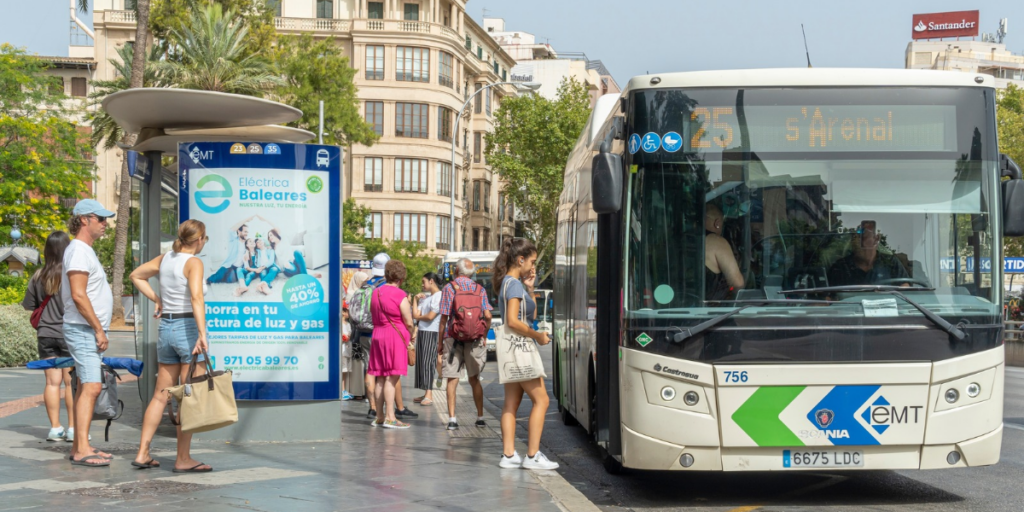
Balearic Government has announced plans to ban standing passengers on interurban buses across the islands from 2030 Credit: Shutterstock/neme_jimenez
Anyone who has squeezed onto a packed bus in Mallorca during the summer will know the experience: standing shoulder to shoulder with other passengers, gripping a handrail as the vehicle navigates winding roads and busy highways.
But those journeys could eventually become a thing of the past.
The Balearic Government has announced plans to ban standing passengers on interurban buses across the islands from 2030, in a major change intended to improve passenger safety.
However, the four-year wait has raised questions about overcrowding, transport capacity and whether the island’s public bus network can cope with growing demand.
Why Mallorca wants to ban standing passengers
The announcement follows a serious bus accident in Catalonia in late October, which renewed concerns about the risks faced by passengers travelling without seats.
A shuttle bus carrying 87 people left the road in the Montseny area. According to reporting by Última Hora, 83 passengers were injured, including 37 who required hospital treatment.
The 22 passengers who had been standing were reportedly among those who suffered the worst injuries.
The accident has intensified debate about whether standing should continue to be permitted on interurban services, particularly those travelling along highways and mountain roads.
Currently, Spanish and European regulations allow standing passengers on appropriately approved scheduled public buses, although different restrictions apply to coaches operating non-scheduled services.
Some Mallorca bus routes already ban standing
Not every bus journey on the island operates under the same rules.
Standing passengers are already prohibited on TIB route 231, connecting Sóller with Port d’Alcúdia, and route 334, serving Formentor.
These restrictions reflect the challenging nature of certain roads in the Serra de Tramuntana.
Other services impose restrictions on particular stretches, including route 203 between Valldemossa, Deià and Sóller, and route 131 between Port d’Andratx and Estellencs.
However, standing remains permitted on many other interurban services, including routes used heavily by commuters and tourists.
For residents who depend on public transport to reach work, appointments or other towns, the proposed change raises an obvious question: what happens when every seat is occupied?
Why won’t the ban begin until 2030?
The main obstacle is the number of buses required to make the change possible.
According to the Balearic transport ministry, eliminating standing passengers would require approximately 60 additional buses, increasing the current fleet by around 20 per cent.
That would also mean more journeys, higher operating costs and significant changes to existing transport contracts.
The government says the necessary expansion would exceed the modification limits permitted under Spain’s public-sector contracts legislation.
Existing bus concessions date from 2021, meaning the proposed ban is being linked to the next contractual period.
In the meantime, authorities say they are working on further improvements, including an additional €25 million in proposed changes to bus concessions.
Residents warn Mallorca’s buses are already overcrowded
The Mallorca Public Transport Users’ Association has been raising concerns about overcrowding for years.
Its spokesperson, Marc Crespí, argues that the problem goes beyond individual busy services and reflects growing pressure from tourism and insufficient transport planning.
The association believes existing measures have failed to keep pace with demand, particularly during the summer months.
It has also questioned whether services used by residents receive the same priority as airport connections.
The Mallorca Transport Consortium, meanwhile, says significant investment has already been made.
Contract changes approved in 2025 involved €150 million and increased the planned transport offer by 50 per cent.
Over the past year, 27 additional buses have joined the fleet, including 13 articulated vehicles measuring 18 metres, providing more passenger capacity and seating on busy routes.
Nevertheless, passenger representatives maintain that further improvements are needed.
What does the proposed ban mean for passengers?
For now, there is no immediate island-wide ban on standing aboard TIB buses.
Passengers can continue to stand on services where it is permitted, provided the vehicle’s authorised capacity and applicable route restrictions are respected.
The proposed 2030 change would mean interurban buses could no longer carry passengers beyond their available seating capacity.
While that could make journeys safer and more comfortable, it would also require sufficient additional services to prevent passengers being left waiting at bus stops.
For British residents and holidaymakers who rely on Mallorca’s buses, particularly during the crowded summer season, the coming years will be crucial in determining whether the promise of a seat for every passenger can become a reality.
Follow Euro Weekly News on Google News
Get breaking news from Spain, travel updates, and expat stories directly on your Google News feed.
Follow on Google NewsSign up for personalised news
Subscribe to our Euro Weekly News alerts to get the latest stories into your inbox!
By signing up, you will create a Euro Weekly News account if you don't already have one. Review our Privacy Policy for more information about our privacy practices.



Lottie Verrier
Lottie Verrier is a journalist and digital media specialist based in Mallorca. After a decade in London media, including a role as Deputy Editor for the MailOnline’s eCommerce division, she now combines her editorial expertise with a passion for the island to create engaging content that celebrates the best of life in Spain. Instagram @lottieinmallorca
Comments