Is your cat safe? Deadly feline disease outbreak in Mallorca leaves five cats dead and nine hospitalised
By Lottie Verrier • Published: 21 Nov 2026 • 10:42 • 3 minutes read
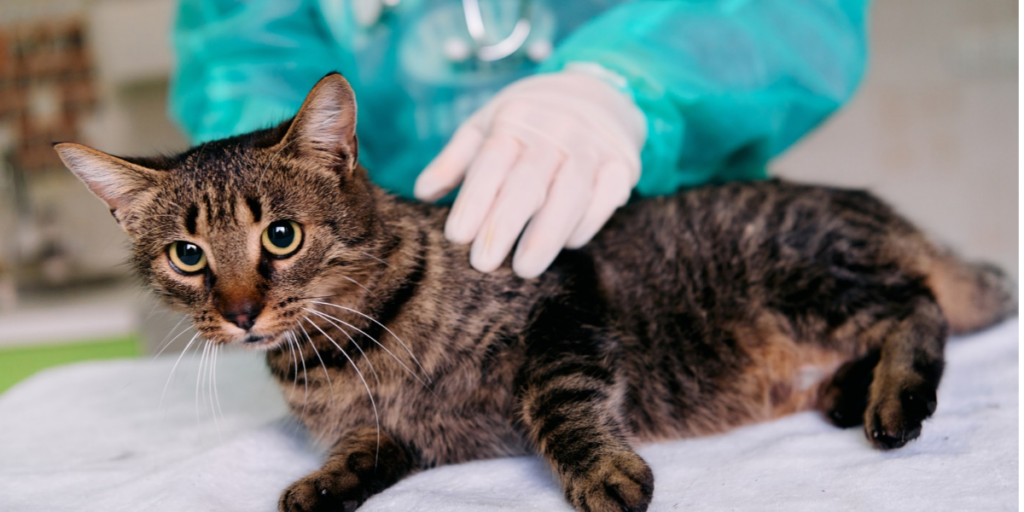
Claimed the lives of five cats in Mallorca Credit: Shutterstock/dotshock
A highly contagious feline disease has claimed the lives of five cats in Mallorca, with nine others hospitalised or requiring hospital treatment, raising concerns about the dangers facing unvaccinated animals.
The outbreak of feline panleukopenia has affected a colony of approximately 40 cats in Manacor, where two volunteer carers are desperately trying to protect the remaining animals.
With veterinary bills already exceeding €5,000, the pair have launched an urgent fundraising appeal to help cover treatment costs.
The disease is particularly dangerous for unvaccinated cats and can spread through contaminated environments, making prevention and vaccination especially important.
Five cats die as virus strikes Manacor colony
According to a report published by Última Hora on Saturday, November 21, the outbreak has devastated a colony cared for by two local residents, Vanessa and Henryk.
The pair have spent two years rescuing abandoned and stray cats, personally financing their food, veterinary care and sterilisation.
During that time, they have rescued more than 50 animals and paid for over 30 sterilisation procedures, alongside veterinary expenses exceeding €6,100.
Their goal was to have the entire colony sterilised and vaccinated before the end of 2026.
However, the virus struck before they could complete the programme.
According to the report, 14 cats have required hospital treatment. Five subsequently died, while nine others remain hospitalised or have needed admission to veterinary clinics.
Treatment has involved facilities including Hospital Canis in Palma, clinics in Son Servera and Mivet in Manacor.
What is feline panleukopenia?
Feline panleukopenia is a serious viral infection caused by feline parvovirus.
Sometimes referred to as feline distemper, the disease is highly contagious among cats and can be particularly dangerous for kittens and animals that have not been vaccinated.
The virus affects rapidly dividing cells, including those in the intestines and bone marrow.
Symptoms can include vomiting, diarrhoea, fever, loss of appetite, lethargy and dehydration.
Severe infections can be fatal, particularly when animals do not receive prompt veterinary treatment.
Another concern is the virus’s ability to survive in the environment.
The carers told Última Hora that it can remain infectious for up to a year and may spread through contaminated surfaces, footwear and vehicle wheels.
This means direct contact with an infected cat is not always necessary for transmission.
Could indoor cats be at risk?
Although the reported outbreak is confined to a colony in Manacor, the case highlights the importance of vaccination for domestic cats.
Feline panleukopenia can potentially affect indoor cats if contaminated material is carried into the home.
However, there is currently no confirmed evidence in the original report that the outbreak has spread beyond the affected colony.
Vaccination is considered a key preventive measure against the disease, including for cats that do not regularly go outdoors.
Owners unsure about their pet’s vaccination status should contact their veterinarian for advice.
Anyone noticing symptoms such as persistent vomiting, diarrhoea, unusual lethargy or refusal to eat should seek veterinary assistance promptly.
Suspected infected animals should be kept away from other cats while professional advice is obtained.
Carers fight to protect surviving animals
Vanessa and Henryk have introduced measures to reduce the risk of further infections.
According to Última Hora, they are isolating cats displaying symptoms, carrying out rapid tests when infection is suspected and disinfecting feeding areas using bleach-based cleaning procedures.
They have also obtained limited supplies of Feliserin, an antibody serum, through an animal welfare association.
The carers hope to vaccinate the remaining healthy cats once veterinarians advise that it is appropriate.
Despite these efforts, the financial burden has become increasingly difficult to manage.
Veterinary admissions reportedly cost between €200 and €1,200 per animal, depending on the treatment required and length of stay.
The carers estimate that the total cost of the outbreak could eventually reach between €8,000 and €10,000.
Fundraising appeal launched to save cats
With veterinary expenses already exceeding €5,000, Vanessa and Henryk have launched a GoFundMe campaign to help finance treatment.
The pair are private carers rather than members of an animal welfare organisation and say they have invested their savings in rescuing and caring for the colony.
Their fundraising page includes updates about the affected animals and veterinary invoices.
They have also expressed concern about the support available for community cat colonies, calling for more effective implementation of capture, sterilisation and return programmes, known in Spain as CER.
These concerns reflect the carers’ position; the original report does not include a response from Manacor Town Hall.
For now, their priority remains the welfare of the surviving cats.
The case serves as a reminder of the potentially devastating consequences of feline panleukopenia, particularly among vulnerable and unvaccinated animals.
For Mallorca’s cat owners, the practical message is straightforward: check vaccination records, recognise possible symptoms and seek veterinary advice promptly if an animal becomes unwell.
Follow Euro Weekly News on Google News
Get breaking news from Spain, travel updates, and expat stories directly on your Google News feed.
Follow on Google NewsSign up for personalised news
Subscribe to our Euro Weekly News alerts to get the latest stories into your inbox!
By signing up, you will create a Euro Weekly News account if you don't already have one. Review our Privacy Policy for more information about our privacy practices.





Lottie Verrier
Lottie Verrier is a journalist and digital media specialist based in Mallorca. After a decade in London media, including a role as Deputy Editor for the MailOnline’s eCommerce division, she now combines her editorial expertise with a passion for the island to create engaging content that celebrates the best of life in Spain. Instagram @lottieinmallorca
Comments