Weight-loss drugs are changing Spanish shopping habits as chocolate and wine sales fall
By Lucy Ramnought • Published: 22 Nov 2026 • 10:26 • 2 minutes read
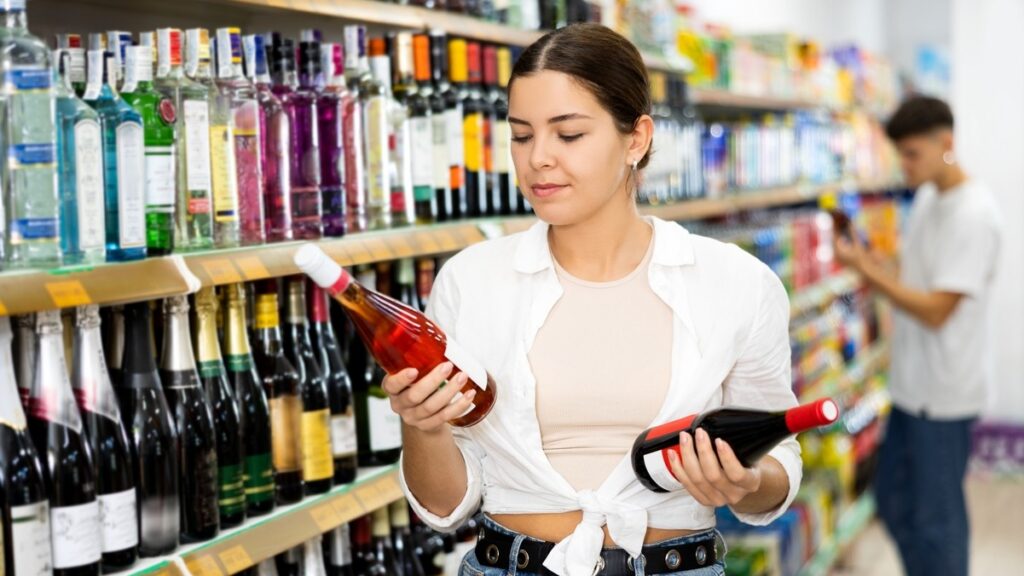
Shopping habits changing due to weight loss drug usage Credit: BearFotos/shutterstock
Almost one in four Spanish users of weight-loss medicines lives in Andalucia, as new research reveals changing supermarket habits.
Weight-loss injections aren’t just changing waistlines. New research suggests they are also changing what Spanish families buy at the supermarket, with chocolate, crisps and alcohol losing ground as shoppers rethink their food choices.
GLP-1 medicines, including Ozempic, Wegovy and Mounjaro, are now present in around 6 per cent of Spanish households, according to consumer research company Worldpanel by Numerator.
Its April 2026 findings reveal that households using these treatments spend 3.1 per cent less on food and drink, while the volume of products purchased has fallen by 3.8 per cent.
Chocolate and alcohol lose their appeal
Some of the biggest changes are appearing in the snacks and drinks aisles. Chocolate bar purchases have fallen by 17.9 per cent in households using GLP-1 medicines, while crisps and fried snacks are down 13.5 per cent.
Alcohol purchases have also declined, with wine falling by 12.5 per cent and beer by 11.4 per cent.
However, shoppers are not buying less of everything. Instead, their choices appear to be changing, with fruit purchases increasing by 1.4 per cent, eggs by 1.4 per cent and peas by 5.9 per cent. Olive oil recorded the biggest increase, at 24.8 per cent.
Andalucia leads Spain’s weight-loss drug trend
Findings are particularly relevant for residents of the Costa del Sol, as Andalucia accounts for almost one in four Spanish consumers using GLP-1 medicines. Levante represents a further 16.8 per cent, followed by the Barcelona metropolitan area at 11.7 per cent.
Age is another interesting factor. People aged between 50 and 64 account for 35.2 per cent of GLP-1 consumers, while those aged 65 and over represent 31.5 per cent.
Changing attitudes towards food are also prompting interest in everyday supermarket products, including those explored in our article around foods that may naturally stimulate GLP-1.
Britain is seeing a similar change
A separate November 2026 study by NielsenIQ and Bramble Intelligence found that 11.8 per cent of British households had at least one person taking a GLP-1 medicine by June 2026.
Among those households, soft drink purchases were down 21 per cent and chocolate purchases fell by 17 per cent. Although the British figures cannot be directly compared with the Spanish research, both studies point towards changing consumer habits as weight-loss treatments become more widely used.
For anyone considering these medicines, medical advice remains essential. These are prescription treatments, not quick fixes, and their suitability and possible side effects should always be discussed with a qualified healthcare professional.
Follow Euro Weekly News on Google News
Get breaking news from Spain, travel updates, and expat stories directly on your Google News feed.
Follow on Google NewsSign up for personalised news
Subscribe to our Euro Weekly News alerts to get the latest stories into your inbox!
By signing up, you will create a Euro Weekly News account if you don't already have one. Review our Privacy Policy for more information about our privacy practices.




Lucy Ramnought
Lucy Ramnought is a local news writer and mother of 4 from the UK who has lived in the Costa Del Sol for just over 4 years. With a background in content writing and social media for various companies, and with vast experience in PA and project management, Lucy is committed to producing accurate, engaging and reliable stories to her work at Euro Weekly News.
Comments