Major tax relief for Spain’s self-employed as Hacienda changes income tax and VAT rules
By Molly Grace • Published: 24 Nov 2026 • 21:17 • 2 minutes read
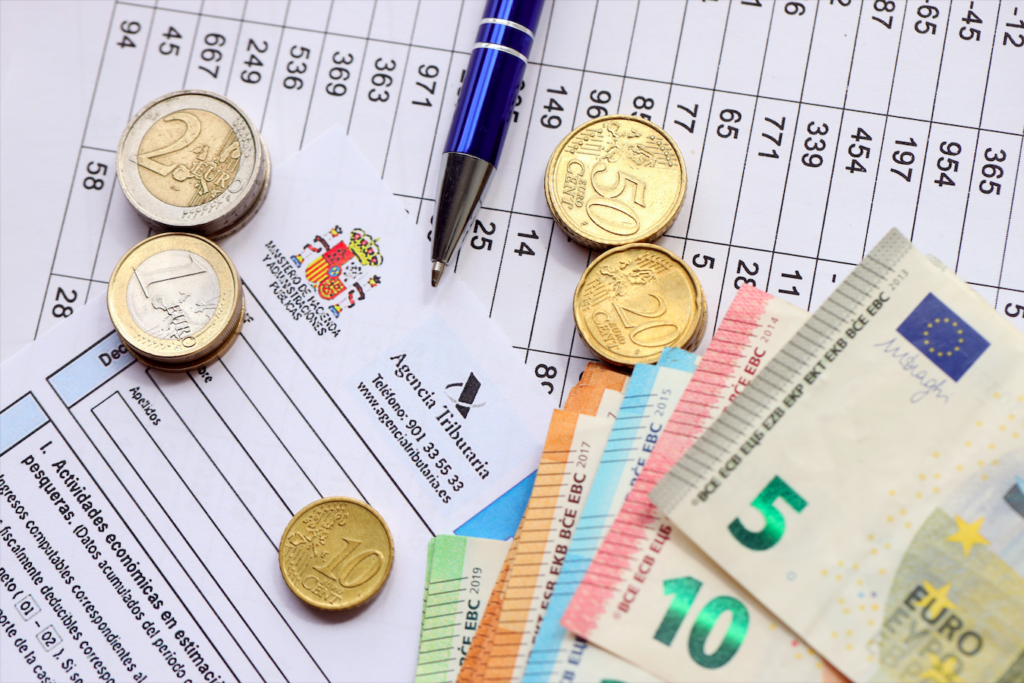
The Government estimates the income tax measures will save self-employed workers €465 million. Photo credit:Mehaniq / Shutterstock
Being self employed in Spain means keeping an eye on income, expenses and tax deadlines. A package approved by the Council of Ministers on November 24 promises relief for autónomos, with higher income tax deductions, lower advance payments for some workers and the option to file VAT once a year instead of every quarter.
The Government estimates the income tax measures will save self-employed workers €465 million. The wider package could also defer up to €1.8 billion in tax.
Higher deductions for business expenses
For autónomos using direct assessment, the deduction for provisions and expenses that are difficult to justify will rise from 5 to 10 per cent in 2026. The maximum amount will increase from €2,000 to €3,000. The €3,000 ceiling is the maximum deduction, not a flat payment or a €3,000 tax rebate. The allowance reduces the income on which tax is calculated, rather than cutting the final tax bill by the same amount. It reduces taxable profit, but the actual saving depends on each person’s income and tax rate.
Hacienda estimates this will benefit 1.6 million self-employed workers and save them €362 million. Those taxed under the módulos system will also receive a higher reduction in net income for 2026. The general reduction rises from 5 to 10 per cent, while agricultural activities receive a 15 per cent reduction. This is expected to save around one million taxpayers €103 million.
Some autónomos may pay less in advance
The changes to advance income tax payments depend on turnover and previous tax returns. Self-employed workers using direct assessment, with annual turnover below €85,000, will be exempt from advance payments if the result of their latest declared tax period was negative or exceeded the payments already made. The exemption is not automatic for everyone below the threshold.
For those who still have to make advance payments and have turnover below €250,000, the rate will fall from 20 to 19 per cent. They can instead choose a calculation based on 2025 net income and the average general tax rate. Hacienda says these changes could defer up to €1.2 billion in tax. This could leave more cash available for wages and running costs.
One VAT return a year
Around 1.1 million small businesses and professionals with annual turnover below €85,000 will be able to opt into a new special VAT regime. Instead of submitting four quarterly VAT returns, they will file one annual declaration.
There will still be payments during the year. The four returns will be replaced by three advance payments in April, July and October. These will be calculated by dividing the previous year’s annual VAT bill by four.
Hacienda estimates the arrangement will provide €577 million in cash-flow relief. For the new VAT arrangement, the advance payments are not additional VAT on top of the annual bill. They are instalments towards the amount due, with the annual return accounting for the full year’s position. The option is voluntary.
Verifactu deadline pushed back
The Government is also keeping the existing turnover limits for the módulos system: below €250,000 in total income and €125,000 from transactions with other businesses. More than 80,000 autónomos will remain eligible. The Government estimates this will save them €411 million.
Businesses preparing for Verifactu, the system for verifying invoices issued through computer software, have also been given more time. Its introduction has been postponed until October 2028, when mandatory electronic invoicing for autónomos is also due to begin. The royal decree-law must still be validated by Congress. Not every autónomo will qualify for every change. The benefit depends on the tax regime, turnover and individual circumstances.
Follow Euro Weekly News on Google News
Get breaking news from Spain, travel updates, and expat stories directly on your Google News feed.
Follow on Google NewsSign up for personalised news
Subscribe to our Euro Weekly News alerts to get the latest stories into your inbox!
By signing up, you will create a Euro Weekly News account if you don't already have one. Review our Privacy Policy for more information about our privacy practices.




Molly Grace
Molly is a British journalist and author who has lived in Spain for over 25 years. With a background in animal welfare, equestrian science, and veterinary nursing, she brings curiosity, humour, and a sharp investigative eye to her work. At Euro Weekly News, Molly explores the intersections of nature, culture, and community - drawing on her deep local knowledge and passion for stories that reflect life in Spain from the ground up.
Comments