Stuck on the A7? Costa del Sol plan puts a train to Estepona back on the map
By Nazario Rodriguez • Published: 26 Nov 2026 • 13:16 • 2 minutes read
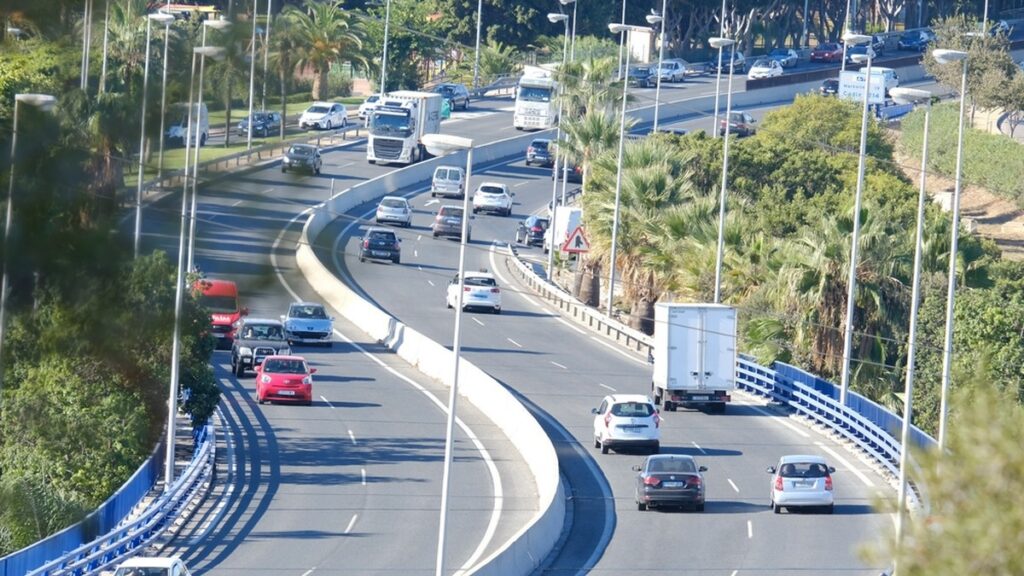
Heavy traffic on the A7 coast road in Malaga. Credit: Robalito / Shutterstock.com.
Anyone who has watched the A7 crawl between Fuengirola, Marbella and Estepona knows how much the western Costa del Sol depends on its roads. Now a new regional plan has put a coastal train back into the picture, alongside a reserved public transport lane and six new links to the AP7.
The plan was approved by Andalusia’s regional government on November 25. It covers nine municipalities, including Estepona, Marbella, Mijas and Fuengirola. But approval does not mean the railway is about to be built. The proposals still need the Spanish government’s agreement before they can be scheduled and delivered.
The train is back on the map
The plan proposes extending the Cercanías line from Fuengirola along the western Costa del Sol. That would bring the long discussed coastal railway back into regional planning and place Estepona among the towns covered by the proposal.
The Junta says the route in the Ministry of Transport’s existing proposal runs north of the A7. Its longer term ambition is for the railway to continue beyond Manilva to Algeciras. The route and the project’s future remain in the hands of the central government.
For people who currently rely on a car or bus, the appeal is obvious. A train could provide another way to travel between towns where traffic and distance make everyday journeys difficult. But the regional plan does not give a construction date or guarantee that the line will go ahead.
Six new AP7 links also proposed
The plan also proposes a lane on the A7 reserved for public transport. It identifies six possible new connections to the AP7, in Casares, Benahavís and Istán, near Marbella’s Hospital Costa del Sol, at Cala de Mijas and in Las Lagunas.
These changes are part of a wider plan for transport and development across Fuengirola, Mijas, Marbella, Estepona, Casares, Manilva, Ojén, Istán and Benahavís. The Junta says the road and rail proposals require agreement with the Spanish government before they can be programmed and carried out.
A plan, not a start date
The approval is a new step for the area, but residents should not expect work to begin soon on the basis of this announcement alone. The decree will take effect the day after it appears in the regional gazette, the BOJA. The transport projects still need decisions from Madrid.
EWN has previously covered the feasibility work on the proposed Costa del Sol coastal train. This latest decision gives the railway a place in the region’s development plan, but the biggest question remains unanswered: when, or whether, passengers will actually be able to board a train in Estepona.
Follow Euro Weekly News on Google News
Get breaking news from Spain, travel updates, and expat stories directly on your Google News feed.
Follow on Google NewsSign up for personalised news
Subscribe to our Euro Weekly News alerts to get the latest stories into your inbox!
By signing up, you will create a Euro Weekly News account if you don't already have one. Review our Privacy Policy for more information about our privacy practices.





Nazario Rodriguez
I’ve worked in news media for over 10 years, previously as Production Manager at Euro Weekly News, and I now focus on audience strategy and content performance. I specialise in understanding what readers engage with and shaping content that serves them well.
Comments