The hidden dangers of leaving your Spanish holiday home empty all winter
By Lottie Verrier • Published: 26 Nov 2026 • 16:11 • 4 minutes read
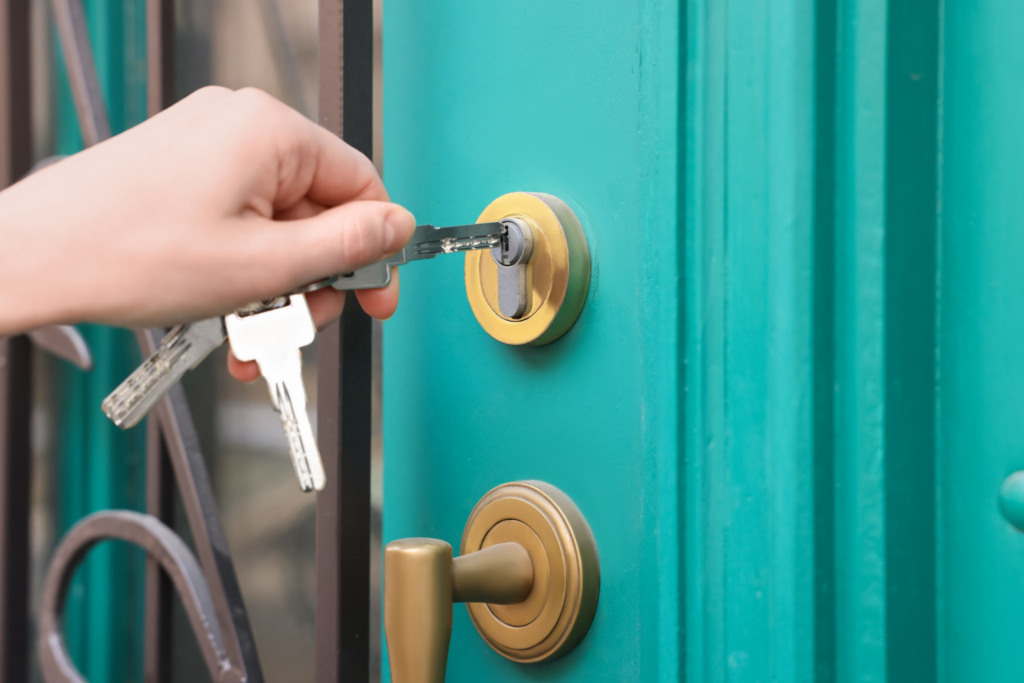
Don't lock up and leave for winter without some important checks first Credit: Shutterstock/New Africa
For many British second-home owners in Spain, the arrival of the festive season signals the moment to empty the fridge, close the shutters and fly back to the UK to spend Christmas with loved ones, often leaving their Spanish property unoccupied.
With the doors securely locked and the windows firmly shut, it is easy to imagine your little piece of Mediterranean paradise sitting undisturbed, waiting patiently for your return.
However, you could open the front door to discover an entirely different scene: mould creeping across the walls, a musty smell lingering in the bedrooms, swollen furniture or water damage that has quietly spread through the property.
Fortunately, a little preparation before leaving and some regular attention throughout the winter could prevent many of these unpleasant surprises.
Damp and mould: The silent enemies of Spanish homes
Anyone who has spent a winter on the Costa Blanca, Costa del Sol or in Mallorca will know that sunshine does not necessarily translate into warm, dry homes.
Many traditional Spanish properties were designed to keep occupants cool during scorching summers rather than retain heat during winter. Cold surfaces, limited insulation and insufficient ventilation can contribute to condensation.
Coastal properties can be particularly susceptible to moisture-related problems. Behind wardrobes, underneath mattresses and inside kitchen cupboards, mould can develop unnoticed.
Before leaving, move furniture slightly away from external walls, leave internal doors and wardrobes open and consider installing a humidity monitor that can be checked remotely.
A dehumidifier with suitable continuous drainage may also be worth considering, provided it is designed for prolonged operation and regularly inspected.
Arrange for someone to ventilate the property when outdoor conditions are favourable, rather than leaving windows permanently ajar and potentially compromising security.
A tiny water leak could cause thousands of euros of damage
A dripping pipe might be little more than an inconvenience when somebody is living in the property. Leave it undetected for several months, however, and the consequences could be devastating.
Faulty washing machine connections, deteriorating pipework and leaking toilet cisterns can all cause problems during lengthy absences.
For apartment owners, the consequences could extend beyond their own property, with escaping water damaging neighbouring homes.
One of the simplest precautions is to turn off the main water supply before leaving, provided your property’s essential systems do not require it.
Homeowners in mountainous or inland areas of Spain should also consider the possibility of freezing temperatures. Ask a qualified plumber about draining vulnerable pipework or protecting the installation against frost.
Smart water-leak detectors positioned beneath sinks and near appliances can provide an additional layer of protection.
Don’t underestimate Spain’s winter weather
Spain’s reputation as a summer holiday destination can make it easy to forget just how destructive its colder months can be.
Intense Mediterranean downpours, powerful coastal winds and occasional hailstorms can wreak havoc on unattended properties.
Blocked gutters and terrace drains are particularly problematic. Something as simple as accumulated pine needles or fallen leaves can prevent rainwater from draining away, allowing it to enter the property.
Before departing, inspect roof tiles, window seals, drains and external walls. It is also sensible to arrange an additional property inspection following particularly severe weather.
Could your home insurance become invalid?
One of the most overlooked risks of leaving a Spanish holiday home empty concerns the small print of its insurance policy.
Some insurers impose additional conditions when properties remain unoccupied for extended periods, including requirements relating to inspections, security measures and water supplies.
For example, certain Spanish home insurance policies require owners to isolate the water supply when second homes are vacant for more than 30 days.
Spain’s consumer organisation, OCU, also highlights the importance of checking whether second-home insurance adequately covers excessive water consumption resulting from undetected leaks, burglary and vandalism.
Contact your insurer before leaving and obtain written confirmation of any precautions you are expected to take. Do not assume that a comprehensive policy automatically covers every eventuality.
Burglary and illegal occupation
Although leaving a property empty does not automatically make it a target, maintaining an appearance of occupancy can help reduce security risks.
Spain’s Ministry of the Interior recommends arranging regular visits, preventing correspondence from accumulating and avoiding publicising lengthy absences online.
Smart lighting, monitored alarms and secure locks can provide additional reassurance.
Property owners concerned about illegal occupation should also keep digital copies of ownership documents readily accessible. If an intrusion is suspected, contact the police rather than attempting to confront anyone yourself.
Uninvited guests of a different kind
Not all unwanted visitors walk through the front door.
Cockroaches, ants, rodents and wood-damaging insects can become unwelcome occupants of unattended Spanish properties.
Food left inside cupboards, crumbs beneath appliances and neglected rubbish bins can attract pests, while small gaps around pipework may provide access.
Remove perishable food, clean cupboards thoroughly and vacuum beneath furniture and kitchen appliances before leaving.
Swimming pools and gardens still need looking after
Owning a Spanish holiday home with a swimming pool might be wonderful during August, but the responsibility does not disappear when the temperatures drop.
Neglected pools can develop algae, equipment faults and problems with water quality. Heavy rainfall can also cause water levels to rise.
Rather than automatically emptying the pool, seek professional advice about appropriate winter maintenance, protective covers and filtration requirements.
Make your holiday home feel lived in
Perhaps the most valuable investment is having somebody trustworthy nearby.
A neighbour, friend or professional property management company can regularly inspect the house, identify emerging problems, check security systems and organise emergency repairs. Ensure your keyholder knows where the water shut-off valve and electrical distribution board are located.
Remote technology is useful, but it cannot clear a blocked drain, investigate a strange smell or repair a broken window.
A little maintenance, careful preparation and regular inspections could mean the difference between returning to your Mediterranean sanctuary and spending your first holiday of the year dealing with builders, plumbers and insurance companies.
Follow Euro Weekly News on Google News
Get breaking news from Spain, travel updates, and expat stories directly on your Google News feed.
Follow on Google NewsSign up for personalised news
Subscribe to our Euro Weekly News alerts to get the latest stories into your inbox!
By signing up, you will create a Euro Weekly News account if you don't already have one. Review our Privacy Policy for more information about our privacy practices.



Lottie Verrier
Lottie Verrier is a journalist and digital media specialist based in Mallorca. After a decade in London media, including a role as Deputy Editor for the MailOnline’s eCommerce division, she now combines her editorial expertise with a passion for the island to create engaging content that celebrates the best of life in Spain. Instagram @lottieinmallorca
Comments