Volcano energy gamble: La Palma deep drilling project explores underground heat
By Adam Woodward • Updated: 27 Nov 2026 • 9:24 • 3 minutes read
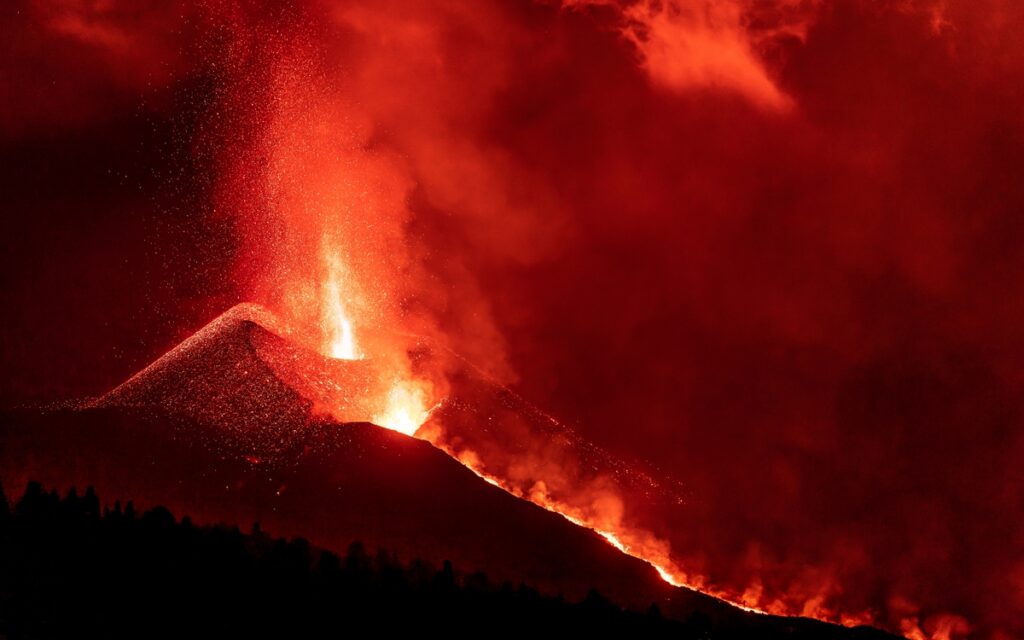
La Palma volcano eruption in 2001. Credit: David Rius Serra - Shutterstock
La Palma is moving closer to exploring the volcanic heat beneath the island for electricity, with a major deep drilling project raising questions about the potential environmental risks.
Energy company DISA has received authorisation to investigate geothermal resources at depths of up to 3.5 kilometres, in a project described as the first on the island to reach this stage of deep drilling.
The decision to exclude the exploration from the simplified environmental impact assessment procedure has drawn attention to the safeguards in place, although no objections were submitted during the consultation process.
The Canary Islands Government has authorised energy company DISA to investigate geothermal resources at depths of up to 3.5 kilometres, despite concerns about the possible effects of drilling on groundwater, wildlife and the surrounding environment. The project is also being advanced under an accelerated procedure, with European funding deadlines requiring work to begin before the end of 2026.
The project could eventually provide a reliable source of renewable electricity for the island, which is still heavily dependent on imported fossil fuels. However, the first step is to establish whether the underground heat can be used commercially.
Environmental assessment exemption
The authorisation covers up to 12 potential drilling sites in Breña Alta, Villa de Mazo and El Paso. Each borehole could reach between 2,500 and 3,500 metres underground, with drilling platforms covering around 6,500 square metres.
In October, the regional government agreed to exclude the project from the simplified environmental impact assessment procedure. The decision was made under exceptional provisions of Spanish environmental legislation, with the authorities saying the need to accelerate renewable energy development was priority. No objections were submitted during the consultation process, according to the regional government.
However, the exemption does not mean that environmental risks have been ignored. An alternative assessment procedure has been established, with conditions covering groundwater, wildlife, archaeological remains and the restoration of affected land. The official Canary Islands Government decision on the La Palma geothermal drilling project sets out the exemption and the environmental safeguards.
Groundwater and pollution concerns
One of the main issues of this unprecedented project is the possibility of drilling affecting underground water supplies. Before work begins, the company must obtain a report from La Palma’s island water authority examining potential effects on aquifers, underground water bodies, wells and existing water supplies.
If the authority identifies possible impacts, preventive measures and monitoring requirements must be introduced. Rules also require precautions against accidental spills of fuel, oils, drilling fluids and other substances that could contaminate soil or groundwater. Environmental inspections must take place before work starts to identify protected plant species, sensitive wildlife and nesting birds.
Three of the proposed drilling locations are close to Natura 2000 protected areas, although the island council has concluded that the project will not directly affect protected land and is not expected to cause significant damage to plants or wildlife.
What about volcanic risks?
La Palma’s volcanic geology makes it an attractive location for geothermal exploration, but it also means that drilling must be carefully monitored. The project includes the possibility of injecting cold water into the underground reservoir if natural water flow is insufficient. This technique, known as reservoir stimulation, can improve the movement of water through underground rock. However, it can also cause small earthquakes in some geothermal projects.
There is no evidence that the proposed drilling will trigger a volcanic eruption, and the project should not be confused with the natural volcanic activity that caused the 2021 Tajogaite eruption. The 2021 La Palma volcanic eruption lasted more than three months and caused widespread damage across the island.
No power station approved yet
DISA must still obtain extra permits before drilling can begin, including approvals relating to water resources and the machinery and installations required. Even if the exploration identifies a suitable geothermal reservoir, further authorisations would be needed before a commercial power station could be developed.
For La Palma, the potential reward is a source of electricity that could operate around the clock, regardless of sunshine or wind. The challenge is to establish whether that benefit can be achieved without unacceptable environmental consequences.
Follow Euro Weekly News on Google News
Get breaking news from Spain, travel updates, and expat stories directly on your Google News feed.
Follow on Google NewsSign up for personalised news
Subscribe to our Euro Weekly News alerts to get the latest stories into your inbox!
By signing up, you will create a Euro Weekly News account if you don't already have one. Review our Privacy Policy for more information about our privacy practices.




Adam Woodward
Adam is a writer who has lived in Spain for over 25 years. With a background in English teaching and a passion for music, food, and the arts, he brings a rich personal perspective to his work at Euro Weekly News. As a father of three with deep roots in Spanish life, Adam writes engaging stories that explore culture, lifestyle, and the everyday experiences that shape communities across Spain.
Comments