Forsmark nuclear waste facility to be enlarged
By Linda Hall • Updated: 30 Nov 2024 • 20:01 • 2 minutes read
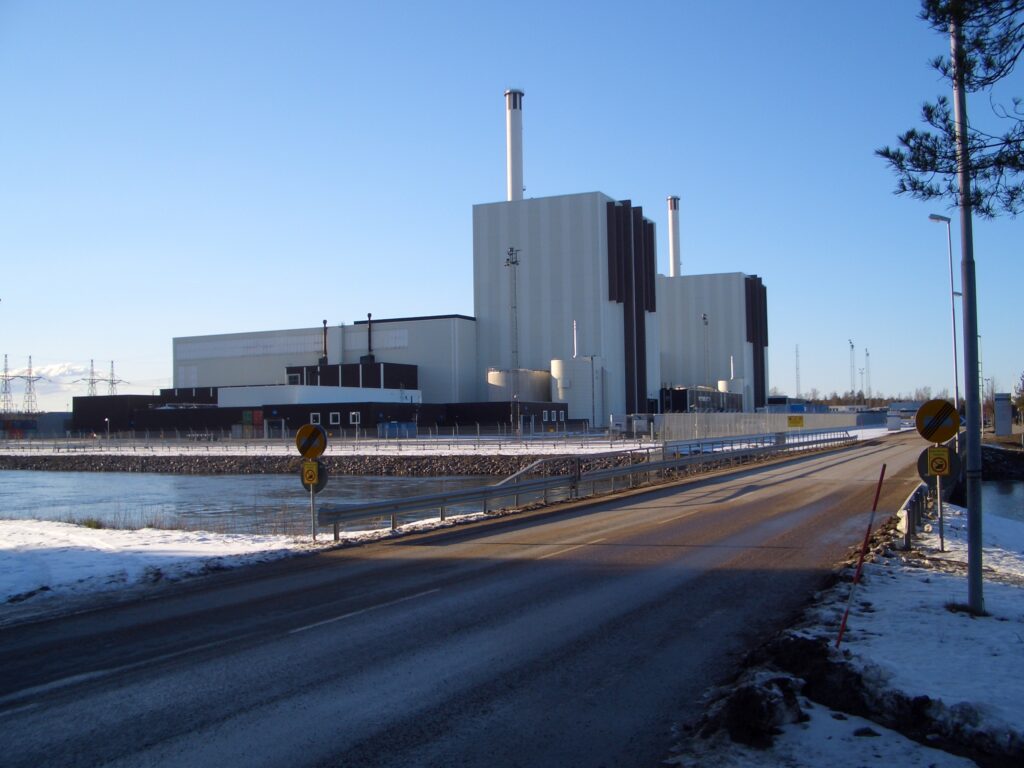
FORSMARK: Underground repository will adjoin existing power station Photo credit: CC/Dennis140
Construction is expected to start soon on enlarging the final repository for short-lived radioactive waste at Forsmark, 140 kilometres from Stockholm.
Sweden’s Radiation Safety Authority (SSM) has now approved a safety report on expanding the installation, which currently has four separate rock vaults and one silo.
The facility began operations in 1988 and now contains approximately 63,000 cubic metres of short-lived and intermediate-level nuclear waste stored 60 metres below the Baltic seabed.
Radioactive waste management company Svensk Karnbranslehantering AB (SKB) applied in 2014 to triple its capacity to about 180,000 cubic metres.
There was a growing need to accommodate spent fuel from Sweden’s nuclear power plants, including the three reactors at the Forsmark power station, SKB told the SSM at the time. There was also radioactive waste from medical care, industry, research, and the future
decommissioning of Sweden’s nuclear power plants to be taken into account, SKB added.
Spent fuel will be stored 500 metres below ground
The SSM authority finally approved the safety report on the proposed extension in January 2022, but made several provisos.
These included the need for a full account from SKB detailing construction plans for key areas before building could start, after which the SSM would then need to review and approve an updated safety report.
The extended final repository, capable of storing 12,000 tons of spent nuclear waste packed in copper cannisters, will be located 500 metres below ground in rock that is 1.9 billion years old, and placed in tunnels extending more than 60 kilometres underground.
Bentonite – a mineral more often associated with cat-litter – will be packed around the canisters, acting as a buffer and protecting against minor movements in the rock.
“By taking care of the radioactive waste from the Swedish nuclear power plants, we contribute to fossil-free electricity production and a sustainable society,” Anna Porelius, SKB’s Communications chief said recently.
Six nuclear reactors provide 30 per cent of Sweden’s electricity
The Swedish parliament includes nuclear power in its plans for fossil-free electricity and at the end of 2023 voted though proposals for more reactors. The new legislation will also permit construction on new sites, not only at existing plants.
Sweden has two operative reactors at Ringhals and one in Oskarshamn as well as the three at Forsmark, which produce 30 per cent of the country’s electricity. Seven more have been shut down for decommissioning, including the Agesta pressurised heavy water reactor unit, Sweden’s first commercial reactor, that was taken offline in 1974.
The project will be funded by contributions already made by nuclear operators to a national nuclear waste fund, involving investments of around €1.8 billion and creating approximately 1,500 jobs.
Work at Fosmark, which will take 10 years to complete, could begin this month.
Follow Euro Weekly News on Google News
Get breaking news from Spain, travel updates, and expat stories directly on your Google News feed.
Follow on Google NewsSign up for personalised news
Subscribe to our Euro Weekly News alerts to get the latest stories into your inbox!
By signing up, you will create a Euro Weekly News account if you don't already have one. Review our Privacy Policy for more information about our privacy practices.



Linda Hall
Originally from the UK, Linda is based in Valencia province and is a reporter for The Euro Weekly News covering local news. Got a news story you want to share? Then get in touch at editorial@euroweeklynews.com.
Comments