The Mercadona shopping trap that could be making your food bill higher without you realising
By Molly Grace • Published: 13 Jun 2026 • 23:54 • 4 minutes read
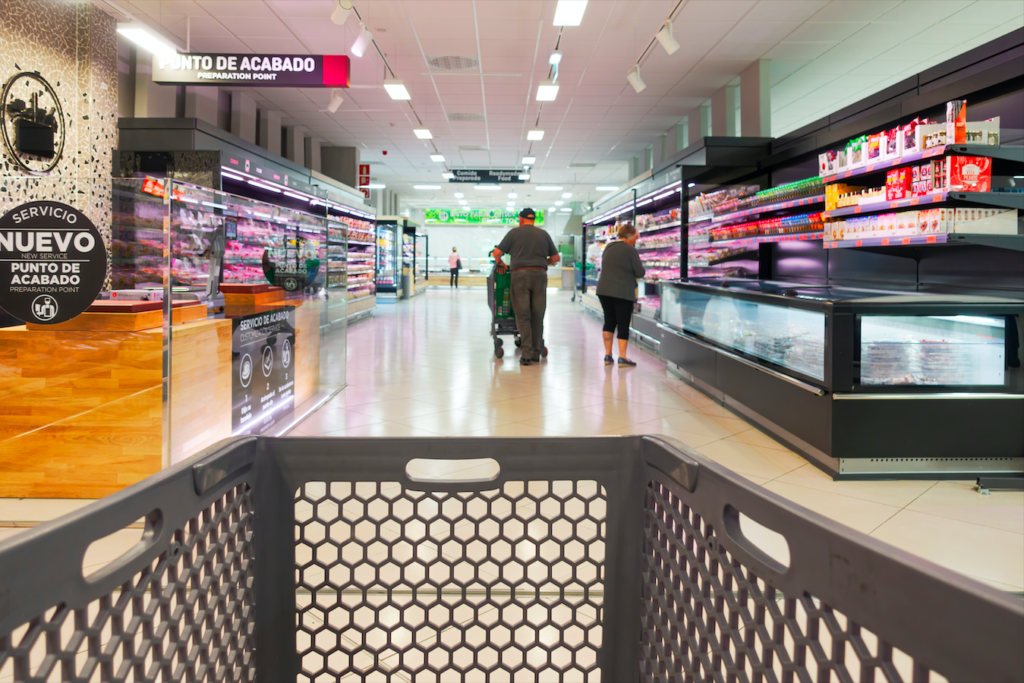
The observation has attracted widespread attention. Photo credit: Veja/Shutterstock
Mercadona shoppers could be paying more than necessary for everyday groceries if they focus only on products placed directly at eye level, according to economist and financial content creator Gabriel García. The economist has drawn attention to what he describes as a common supermarket merchandising strategy.
He claims that “normally the middle shelves tend to be considerably more expensive” than those positioned higher or lower in the aisle. His comments, made while discussing shopping habits at Mercadona, have attracted widespread attention among consumers looking for ways to reduce household spending.
Economist claims Mercadona shoppers often overlook cheaper alternatives
García argues that many customers naturally focus on products positioned at eye level, where retailers frequently place items they most want shoppers to notice. As a result, consumers may miss cheaper alternatives located elsewhere on the shelf.
According to García, “normally the middle shelves tend to be considerably more expensive”, as retailers often place higher-margin products where they are easiest for shoppers to see and reach.
The observation has attracted widespread attention as food prices remain a concern for many households across Spain, prompting consumers to seek practical ways to reduce spending without significantly changing their shopping habits.
Why eye-level shelves attract shoppers
Retail experts have long recognised that product placement plays a major role in influencing consumer behaviour. Eye-level shelving is considered premium retail space because products displayed there are more likely to be noticed. As a result, manufacturers and retailers often position items they wish to promote most prominently, while lower-priced alternatives may be located on higher or lower shelves.
García explained that shoppers who only scan the middle section of supermarket aisles could be missing less expensive options located elsewhere. Rather than focusing immediately on products placed directly in front of them, he recommends taking a few extra seconds to examine the entire shelving unit before making a decision. The strategy does not guarantee that every cheaper product will be located away from eye level, but it can help consumers compare a wider range of options and potentially identify better value alternatives.
A simple change that could reduce grocery spending
The economist’s advice centres on changing shopping habits rather than eliminating products from a household budget. By comparing products positioned on different shelves, consumers may be able to find similar items at lower prices. This approach can be particularly useful when purchasing staple goods such as pasta, rice, cereals, cleaning products and household essentials, where multiple brands often occupy the same section.
García suggests that many shoppers make decisions quickly, selecting the first product they see rather than reviewing all available alternatives. While the price difference between individual products may appear small, these savings can accumulate over time when applied consistently across a weekly or monthly shop.
The recommendation relates to a wider concern among consumers seeking practical methods of managing household expenditure amid continuing concerns over the cost of living. The advice has resonated with some shoppers online. Ana Holford, who lives in Spain, said the economist’s comments had prompted her to reconsider her shopping habits. “I live in Spain and Mercadona is the only supermarket I use, but I’ve a feeling that’s about to change. Next time you go check the shelves,” she wrote.
Product placement is a well-established retail strategy
The economist’s comments are based on a merchandising practice that has been recognised within the retail industry for many years. Supermarkets carefully organise shelves to maximise visibility and encourage purchasing decisions. Premium brands and products generating higher profit margins are often given the most prominent positions, while cheaper alternatives may occupy less visible locations.
This does not mean that every item at eye level is the most expensive, nor that every lower shelf contains the cheapest option. However, retail specialists generally agree that shelf placement can significantly influence customer behaviour. For this reason, consumer experts frequently advise shoppers to compare unit prices and examine an entire section before making purchases. The same principle applies across many supermarkets and is not unique to Mercadona.
Mercadona remains Spain’s leading supermarket chain
The discussion has generated particular interest because it relates to Mercadona, Spain’s largest supermarket chain and one of the country’s most visited retailers. With thousands of stores across Spain and Portugal, the company serves millions of customers each week and plays a significant role in the country’s grocery market.
As a result, any advice relating to saving money while shopping at Mercadona often attracts considerable public attention.
However, it is important to note that García’s comments reflect his own assessment of retail merchandising practices rather than an official statement from the company. Mercadona has not publicly stated that products placed on middle shelves are more expensive. Instead, García’s remarks refer to a broader supermarket strategy commonly discussed by economists, retail specialists and consumer advisers.
Looking beyond the first product on the shelf
For consumers hoping to reduce grocery costs, García’s advice is straightforward: take a moment to look beyond the products positioned directly in front of you. Checking higher and lower shelves, comparing prices between similar products and reviewing the cost per kilogram or litre can help shoppers make more informed decisions.
While no single tactic will dramatically reduce a household’s food bill, small savings made consistently throughout a supermarket shop can add up over time. The economist’s recommendation serves as a reminder that the way products are displayed can be just as important as the products themselves when it comes to managing spending and finding value in the supermarket aisle.
Follow Euro Weekly News on Google News
Get breaking news from Spain, travel updates, and expat stories directly on your Google News feed.
Follow on Google NewsSign up for personalised news
Subscribe to our Euro Weekly News alerts to get the latest stories into your inbox!
By signing up, you will create a Euro Weekly News account if you don't already have one. Review our Privacy Policy for more information about our privacy practices.





Molly Grace
Molly is a British journalist and author who has lived in Spain for over 25 years. With a background in animal welfare, equestrian science, and veterinary nursing, she brings curiosity, humour, and a sharp investigative eye to her work. At Euro Weekly News, Molly explores the intersections of nature, culture, and community - drawing on her deep local knowledge and passion for stories that reflect life in Spain from the ground up.
Comments