Portugal’s drug decriminalisation: A human-centred revolution?
By Farah Mokrani • Updated: 03 Feb 2025 • 14:41 • 2 minutes read
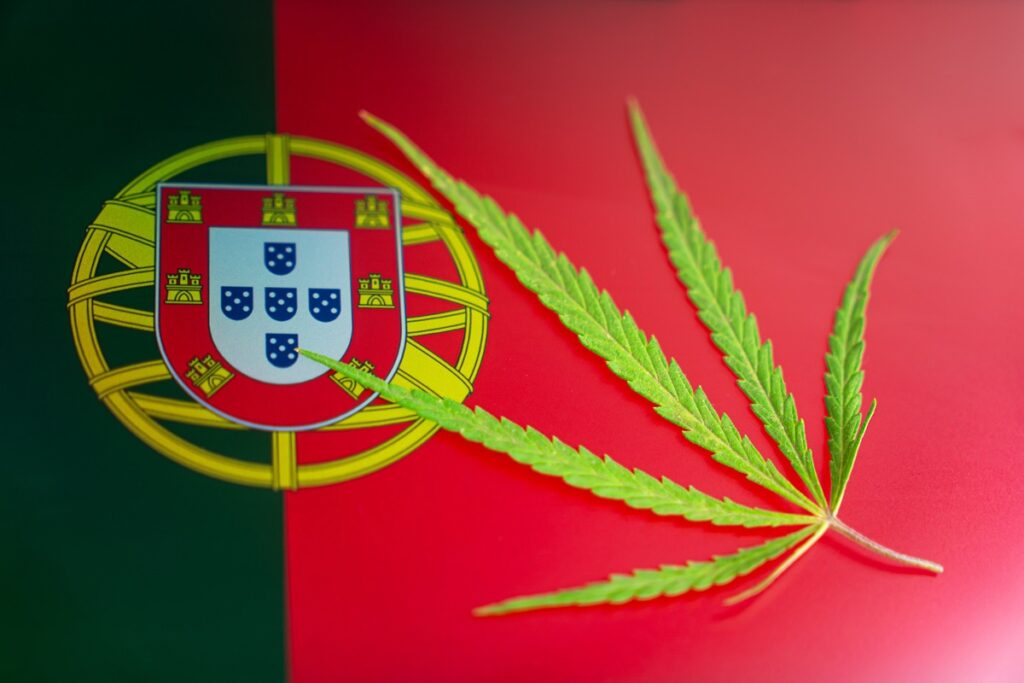
Portugal's groundbreaking drug decriminalisation policy continues to inspire global discussions about public health and addiction reform Credit : Shutterstock, Melnikov Dmitriy
Exploring how a shift from punishment to support has transformed lives and sparked international debate.
Back in 2001, Portugal made a brave and unconventional choice. Instead of treating drug use as a criminal offence, the country redefined its approach by decriminalising all drugs—a decision born out of necessity during one of the worst heroin crises in Europe. In the 1990s, rampant addiction and a surge in drug-induced HIV infections left many communities in turmoil. Local experts recognised that the old ‘tough on drugs’ policies were failing, prompting a radical rethink that shifted the focus from punishment to care.
Everyday stories of change: Real-life transformations in Portugal
On a typical Wednesday afternoon in the outskirts of Lisbon, the work of outreach teams tells a story of hope and recovery. At the heart of this effort is Nuno Maneta, a 54-year-old peer worker with the local NGO Crescer. Having once struggled with heroin and cocaine addiction himself, Nuno now spends his days handing out food and clean injection kits, helping people rebuild their lives.
“I used to be treated like a criminal—beaten by the police and left feeling utterly alone,” he recalls. “Now, when we’re out on the streets, people see that help is available. They’re no longer defined by their past mistakes.”
Under Portugal’s policy, individuals caught with drugs for personal use are not arrested. Instead, they are referred to ‘Dissuasion Committees,’ panels of health and social care professionals who provide tailored support and guidance. This shift in focus has allowed many to seek help without the fear of being stigmatised or punished.
A Model for the future: Portugal’s drug policy revolution inspiring global change
Over the years, the results of Portugal’s approach have been hard to ignore. Drug-related deaths have fallen, and new HIV infections linked to drug use have plummeted—from a distressing 50% of new cases in Europe down to just 1.68% by 2019. Social costs, too, have seen a notable reduction, with studies suggesting an 18% drop in expenses related to drug use in the first decade alone.
While some regions, like Oregon in the United States, have experimented with similar ideas (albeit with mixed outcomes), Portugal’s model remains a unique example of what can be achieved when a country treats addiction as a health issue rather than a crime. Critics acknowledge that no system is perfect, but many agree that this compassionate approach has offered a more humane and effective alternative to the old ways.
Portugal’s journey continues to inspire debates and encourage fresh thinking about drug policies worldwide. As the nation reflects on two decades of transformation, its story remains a powerful reminder that empathy and support can sometimes be the best tools for healing—even in the face of daunting challenges.
Find more news about Portugal
Follow Euro Weekly News on Google News
Get breaking news from Spain, travel updates, and expat stories directly on your Google News feed.
Follow on Google NewsSign up for personalised news
Subscribe to our Euro Weekly News alerts to get the latest stories into your inbox!
By signing up, you will create a Euro Weekly News account if you don't already have one. Review our Privacy Policy for more information about our privacy practices.




Farah Mokrani
Farah is a journalist and content writer with over a decade of experience in both digital and print media. Originally from Tunisia and now based in Spain, she has covered current affairs, investigative reports, and long-form features for a range of international publications. At Euro Weekly News, Farah brings a global perspective to her reporting, contributing news and analysis informed by her editorial background and passion for clear, accurate storytelling.
Comments