Christmas food bill worries drive Spanish households to start shopping weeks early
By Molly Grace • Published: 10 Nov 2026 • 22:58 • 3 minutes read
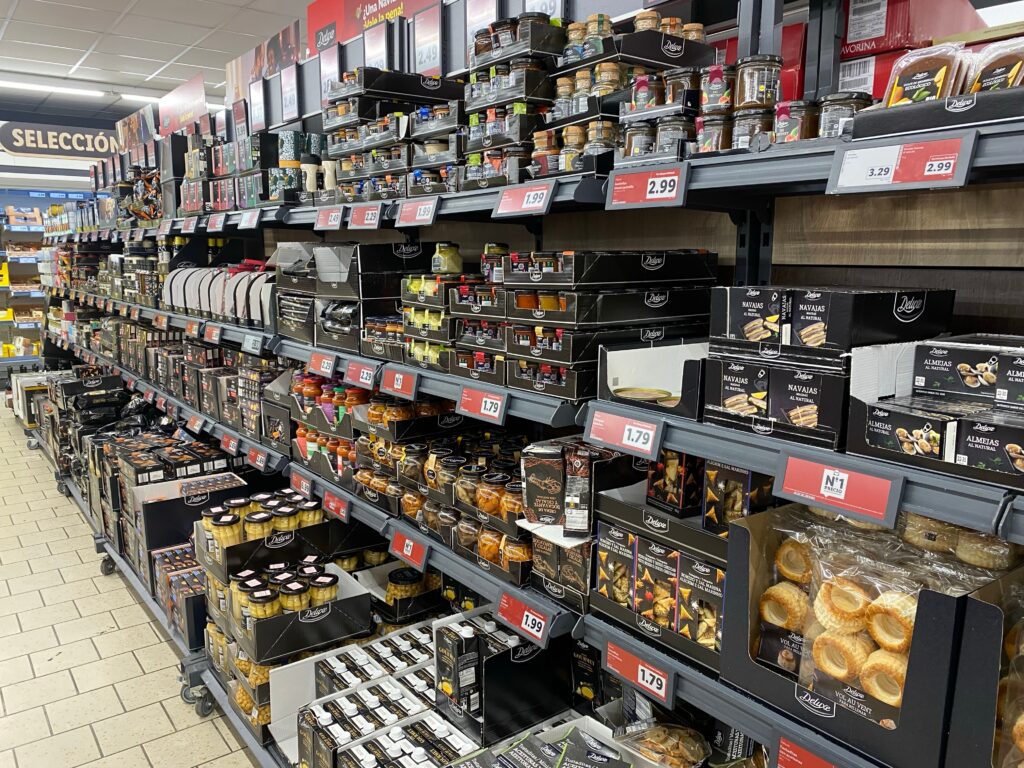
Christmas remains a big occasion for getting people around the table. Photo credit: Filtown Films/Shutterstock
Nobody wants the Christmas food shop to land as one enormous bill just before the big day. Across Spain, households are spreading the cost by buying festive food weeks in advance, hoping to find better prices and avoid having to pay for everything at once.
A new survey found that 71 per cent of households buy at least some of their Christmas food a week or more before the celebrations. Almost half of those planning ahead say they do it to find cheaper prices, while others want to make sure they get the products they need and avoid leaving the whole job until the last minute.
Saving money starts before the supermarket
The figures come from the eighth annual ALDI report on food shopping for Christmas celebrations in Spain, based on a survey of 1,300 people. It found that 48 per cent of respondents who shop early do so to secure lower prices. Availability is another major consideration, with 51 per cent wanting to find the products they are looking for, while 50 per cent say planning ahead helps them organise shopping and meals.
Buying early does not mean every item can go into the cupboard weeks in advance. Fresh food still has to be bought nearer the time, but products with a longer shelf life can be picked up gradually, rather than adding everything to one expensive supermarket trip. The survey also found that 82 per cent plan their Christmas menus at least a week ahead.
Price is weighing more heavily on Christmas choices
The pressure on household budgets is clear in the spending figures. Nearly six in ten households (57 per cent) expect to spend more than €300 on food and drink for Christmas, while 41 per cent say food and drink will be their biggest festive expense. Price is becoming harder to ignore. Six in ten consumers (61 per cent) say it will have more influence on what they buy this Christmas than it did last year.
That is feeding into a wider effort to make the budget stretch: 90 per cent of households say they use at least one way of saving money when buying Christmas food. The most common tactic is looking out for special offers and promotions, used by 62 per cent of shoppers. Almost half (47 per cent) plan menus in advance, helping them decide what they need before they shop and reducing the risk of buying more than they will use.
Supermarkets take the biggest share of the Christmas shop
The regular supermarket is the preferred place to buy Christmas food for 51 per cent of households. Its appeal is not just convenience. Among those choosing where to shop, 56 per cent point to value for money, while 43 per cent value the ease of shopping there and 40 per cent cite the range of products available.
Own-brand products are also firmly established on the festive table. The report says 81 per cent of households expect to serve at least some supermarket own-brand food at Christmas. For 60 per cent of shoppers, these products already account for half or more of their Christmas food basket.
That does not mean shoppers are giving up on special treats. Two-thirds (66 per cent) say they like including gourmet products in their Christmas menus, while 70 per cent plan to serve regional specialities. Fish and seafood will feature in the menus of half of households.
The cost of feeding a full house
Christmas remains a big occasion for getting people around the table. The report found that 92 per cent of households celebrate Christmas Eve with family or friends, while 90 per cent get together for New Year’s Eve. In 68 per cent of homes, the festive gathering involves between five and 12 people. That helps explain why food can take such a large bite out of the Christmas budget.
Even a modest menu becomes a substantial shop when several people are eating, particularly if households want to keep familiar dishes and special ingredients on the table. The figures suggest that families are not necessarily cutting Christmas back, but are trying to control when and how they spend.
Shopping earlier, watching promotions, planning menus and mixing own-brand products with a few more expensive items are all ways of managing the bill without abandoning the meals that make the celebrations feel special. The survey records shoppers’ reasons for buying early; it does not show that every product is cheaper weeks ahead. Comparing prices and checking offers remain important if the aim is to save.
Follow Euro Weekly News on Google News
Get breaking news from Spain, travel updates, and expat stories directly on your Google News feed.
Follow on Google NewsSign up for personalised news
Subscribe to our Euro Weekly News alerts to get the latest stories into your inbox!
By signing up, you will create a Euro Weekly News account if you don't already have one. Review our Privacy Policy for more information about our privacy practices.





Molly Grace
Molly is a British journalist and author who has lived in Spain for over 25 years. With a background in animal welfare, equestrian science, and veterinary nursing, she brings curiosity, humour, and a sharp investigative eye to her work. At Euro Weekly News, Molly explores the intersections of nature, culture, and community - drawing on her deep local knowledge and passion for stories that reflect life in Spain from the ground up.
Comments