Exploring emerging trends in smoking and vaping across Europe
By Guest Writer • Published: 20 Feb 2025 • 16:31 • 5 minutes read
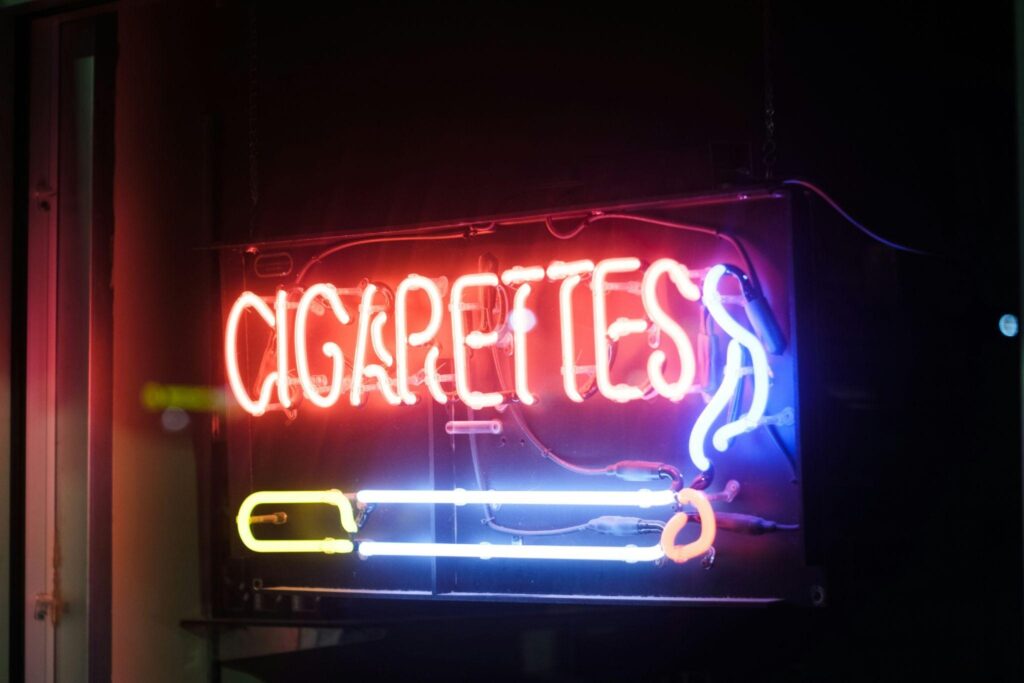
Image : Unsplash.com
In recent years, Europe has witnessed significant shifts in smoking and vaping behaviours, influenced by evolving regulations, public health initiatives, and changing societal attitudes. The decline of traditional cigarette smoking, the rise of vaping, and the increasing use of alternative nicotine products reflect a dynamic landscape that continues to evolve.
A recent study of Britain’s smoking habits sheds light on these changes, offering insights into how smoking behaviours are transforming across the region. This article delves into the latest trends, highlighting key findings from recent reports and studies while considering regulatory impacts, public health concerns, and consumer behaviours.
The decline of traditional smoking
For decades, smoking rates in Europe have been on a steady decline. According to the World Health Organization (WHO), many European countries have implemented aggressive anti-smoking policies, including high taxation, public smoking bans, and mandatory graphic health warnings on cigarette packaging. These measures have successfully reduced smoking prevalence, particularly among younger populations.
However, while the overall smoking rate is decreasing, disparities remain. In Southern and Eastern Europe, smoking rates remain relatively high compared to Northern and Western Europe. Countries such as Greece, Bulgaria, and Serbia continue to report high numbers of smokers despite widespread awareness of smoking-related health risks. These variations highlight the ongoing challenge of tobacco control policies in different regions of Europe.
The rise of nicotine pouches
A notable development in the nicotine market is the increasing popularity of nicotine pouches. These smokeless, tobacco-free products offer a discreet alternative for nicotine consumption. Unlike cigarettes or traditional chewing tobacco, nicotine pouches do not produce smoke or require combustion. This makes them an appealing choice for consumers looking for an alternative that aligns with smoke-free regulations and personal preferences.
Market research indicates that nicotine pouches are gaining traction in Scandinavian countries, particularly Sweden, which has a long history of smokeless tobacco use through products like snus. The success of nicotine pouches in these regions suggests that smokeless alternatives could play a significant role in harm reduction strategies, particularly for those looking to transition away from combustible tobacco products.
Youth vaping: A growing concern

One of the most controversial aspects of vaping’s rise is its popularity among young people. The surge in vaping among youth has become a pressing issue across Europe. Studies indicate that a considerable number of teenagers have adopted vaping, with many perceiving it as a safer alternative to smoking. The discrete nature of vaping devices, coupled with the availability of various flavours, makes vaping particularly attractive to younger audiences.
Public health officials have raised concerns that flavoured e-liquids, which often feature sweet or fruity flavours, may appeal to minors and encourage early nicotine addiction. Some studies suggest that early exposure to nicotine through vaping may increase the likelihood of transitioning to traditional cigarette smoking later in life.
In response, several European countries have implemented stricter regulations on the sale and marketing of vaping products. The UK, for example, has announced plans to ban disposable vapes by June 2025, aiming to curb underage vaping and address the environmental impact of single-use e-cigarettes.
Regulatory responses across Europe
As smoking and vaping trends evolve, European governments have had to adapt their regulatory frameworks to keep pace with emerging challenges. Several regulatory measures are shaping the nicotine landscape:
1. Smoking bans and taxation
Many countries have expanded smoking bans to include outdoor public spaces such as parks, beaches, and restaurant terraces. Additionally, high taxation on tobacco products has been a key strategy in reducing smoking rates. For instance, France has progressively increased cigarette prices, with a pack now costing over €10, in an effort to deter smoking. According to The European Public Health Alliance, such taxation policies are among the most effective tools in reducing tobacco consumption and preventing smoking-related diseases.
2. Stricter vaping laws
In response to the youth vaping crisis, new regulations are being introduced across the continent. Some nations have restricted the marketing and sale of flavoured e-cigarettes, while others have introduced licensing requirements for retailers selling vape products. The European Union is reportedly considering a ban on vaping in outdoor public spaces, similar to existing smoking bans, in an effort to limit secondhand exposure.
3. Plain packaging and health warnings
To reduce the appeal of tobacco and nicotine products, several European countries have mandated plain packaging for cigarettes and have introduced graphic health warnings on e-cigarette products. These measures aim to further discourage smoking and vaping by highlighting their associated health risks.
4. The role of tobacco harm reduction policies
Some experts advocate for harm reduction approaches that encourage smokers to switch to less harmful nicotine alternatives rather than quitting nicotine altogether. Countries like Sweden, which have successfully reduced smoking rates through harm reduction strategies, serve as examples of how alternatives like nicotine pouches and regulated vaping can play a role in reducing smoking-related illnesses.
Public perception and health implications
Public attitudes toward smoking and vaping continue to shift as more research emerges regarding the health effects of these products. While e-cigarettes are often marketed as a less harmful alternative to traditional cigarettes, health organisations caution that they are not without risks. The long-term health effects of vaping remain uncertain, and concerns about lung injuries related to certain e-liquid additives have sparked further research into the safety of vape products.
Meanwhile, the stigma around smoking persists, with non-smokers increasingly advocating for smoke-free environments. Many businesses, hotels, and public spaces have implemented stricter no-smoking policies, making it more challenging for smokers to find designated smoking areas while traveling.
Comparing smoking, vaping, and alternative nicotine products

For those who consume nicotine, it’s important to understand the differences between smoking, vaping, and alternative nicotine products. Cigarettes contain high levels of nicotine and pose significant health risks, including lung disease and cancer. They remain widely available but are heavily regulated due to their harmful effects.
Vapes, on the other hand, offer a variable nicotine content and are generally considered less harmful than cigarettes, although they are not risk-free. They are widely available but subject to age restrictions and increasing regulations.
Nicotine pouches provide a moderate level of nicotine without the harmful combustion effects of smoking or vaping. They are gaining popularity, particularly in regions with strong tobacco harm reduction policies, and are generally accepted in more places than traditional cigarettes or e-cigarettes.
Nicotine gum and lozenges, which contain low to moderate nicotine levels, are widely approved for smoking cessation. These products are readily available in pharmacies and are often recommended as part of smoking cessation programs.
Each of these options carries different levels of health risks, social acceptability, and regulatory oversight. Smokers looking to quit or switch to alternatives should consider consulting healthcare professionals for personalised guidance.
The landscape of nicotine consumption in Europe is undergoing rapid changes, influenced by new products like nicotine pouches, rising vaping rates among youth, and stringent regulatory actions. While smoking rates continue to decline, the rise of alternative nicotine products has sparked new debates about public health, addiction, and policy interventions. As more research emerges on the long-term effects of vaping and nicotine pouches, governments will need to strike a balance between harm reduction strategies and strict regulation to prevent new public health challenges. The next few years will be crucial in shaping the future of nicotine consumption, ensuring that policies prioritise public health while accommodating the evolving preferences of consumers.
By staying informed and making responsible choices, individuals can navigate this changing landscape while minimising potential health risks. For those looking to quit smoking, seeking professional advice and exploring regulated alternatives can provide safer options for nicotine consumption.
SPONSORED
Follow Euro Weekly News on Google News
Get breaking news from Spain, travel updates, and expat stories directly on your Google News feed.
Follow on Google NewsSign up for personalised news
Subscribe to our Euro Weekly News alerts to get the latest stories into your inbox!
By signing up, you will create a Euro Weekly News account if you don't already have one. Review our Privacy Policy for more information about our privacy practices.





Guest Writer
Comments