Processionary caterpillar season in Malaga
By Adam Woodward • Updated: 25 Feb 2025 • 9:41 • 2 minutes read
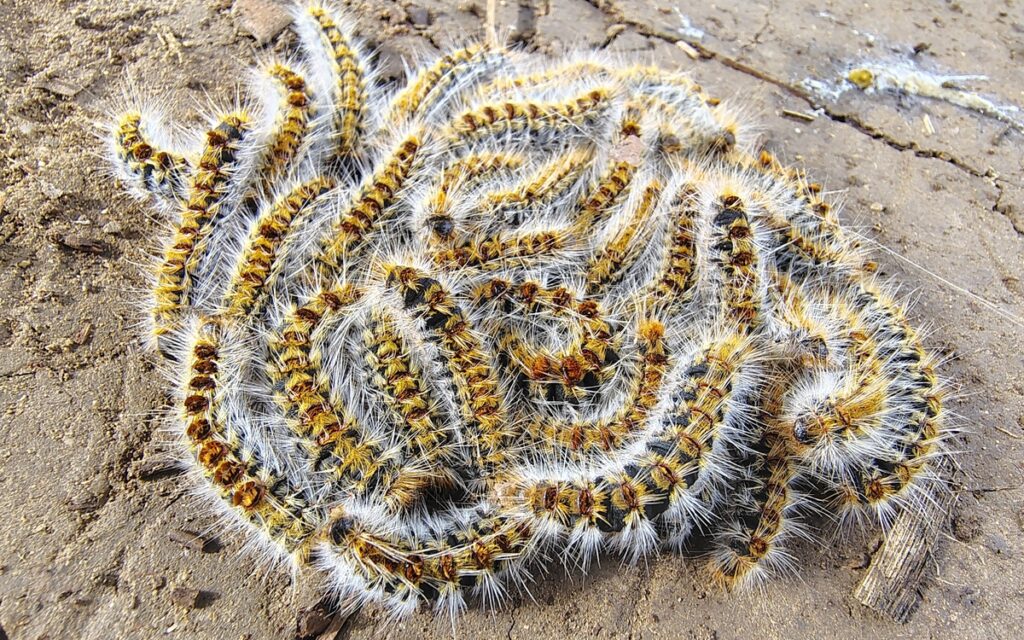
Nasty sting caterpillars. Credit: Carol La Rosa - Shutterstock.
In Malaga, the pine processionary plague, a natural phenomenon resulting from abnormally warmer weather, has been causing a surge in the poisonous caterpillars in the Costa del Sol around its pine trees.
The long head-to-tail rows of caterpillars, which devour needles from pine trees, pose a significant hazard to both humans and animals due to their tiny venomous stinging hairs. The College of Veterinarians of Malaga warns of the need for prevention and control plans for these caterpillars, as they can cause a variety of nasty symptoms when people or animals come in contact with their hairs. Dogs are particularly at risk as their natural curiosity often tempts them to sniff the furry little insects.
The National Association of Environmental Health Companies (ANECPLA) is calling for much more to be done in council prevention plans in the spring and autumn seasons to minimise the harmful effects of the processionary plague.
Councils take measures against processionary caterpillar
Malaga council has already initiated preventive biological treatments against the processionary caterpillars in suburban parks and forest areas of the city that contain pine forests, aiming to reduce the threat of caterpillar proliferation of pine processionary caterpillars in spring.
In conclusion, the pine processionary plague poses a significant threat to both humans and animals in the Malaga region, and it is crucial for local administrations to implement effective prevention campaigns and control plans to mitigate its harmful effects.
Processionary caterpillar: tips for dog owners
Advice for dog owners is to stay vigilant, particularly during late winter to early spring when these caterpillars are most active – around now, actually, since it’s February, 2025. For example, Marbella se Queja, the social media platform, are currently warning a proliferation of nests in trees in the zone of Santa Maria Golf, and to not walk your dogs there.
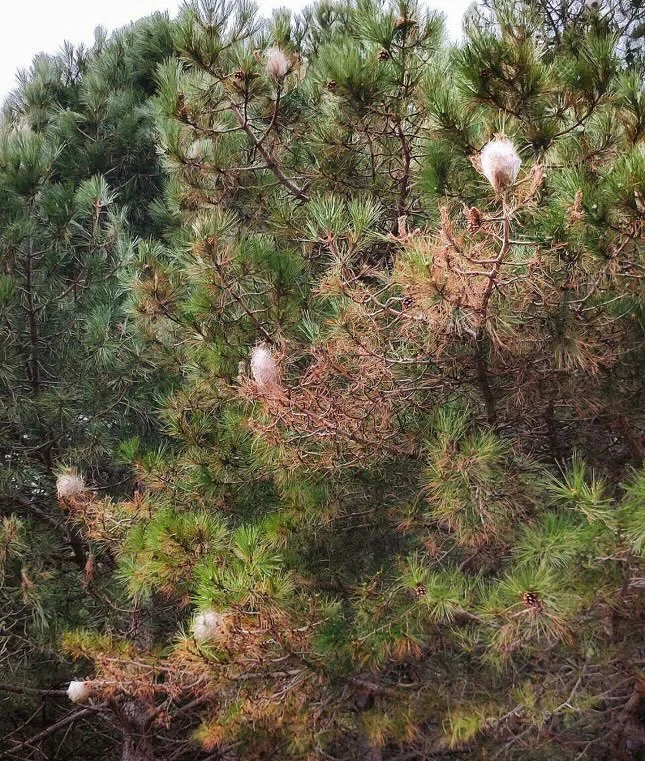
Credit: MSQ
First off, keep your dog on a lead/leash when walking near pine trees or wooded areas where the critters might be. The caterpillars often travel in nose-to-tail lines or hang out in silky nests in the branches, where sometimes they fall onto unsuspecting passersby.
If your dog gets too curious – sniffing, pawing, or, worse, trying to eat them – it can lead to serious trouble.
Those hairs are loaded with a protein that causes irritation or allergic reactions, and direct contact can be even nastier. If you suspect your dog has come into direct contact with processionary caterpillars, rinse around nose and mouth area with cold water and without rubbing and seek veterinarian advice if irritation continues.
Follow Euro Weekly News on Google News
Get breaking news from Spain, travel updates, and expat stories directly on your Google News feed.
Follow on Google NewsSign up for personalised news
Subscribe to our Euro Weekly News alerts to get the latest stories into your inbox!
By signing up, you will create a Euro Weekly News account if you don't already have one. Review our Privacy Policy for more information about our privacy practices.



Adam Woodward
Adam is a writer who has lived in Spain for over 25 years. With a background in English teaching and a passion for music, food, and the arts, he brings a rich personal perspective to his work at Euro Weekly News. As a father of three with deep roots in Spanish life, Adam writes engaging stories that explore culture, lifestyle, and the everyday experiences that shape communities across Spain.
Comments
Brian
26 February 2025 • 14:10I hope all the many people I see walking their dogs off-lead down country tree-lined lanes and roads near our house read this article and put their dogs on leads!
Comments are closed.