Never send your ID like this in Spain, warns Guardia Civil
By Farah Mokrani • Updated: 02 May 2025 • 10:40 • 3 minutes read
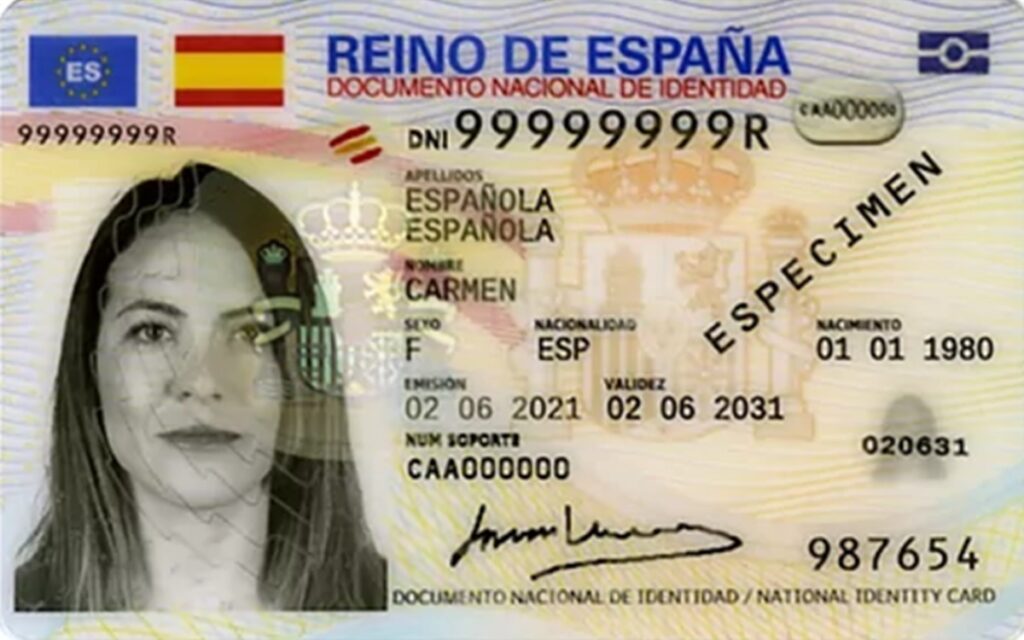
Spain’s physical DNI card remains widely used, but authorities warn it should never be shared online without precautions to avoid identity theft. Credit : Azulblue, Shutterstock
Cyber scams are on the rise – here’s how to share your ID online without risking identity theft
The Guardia Civil has issued a new warning to the public: think twice before sending a photo of your ID card over the internet. It might seem like a harmless routine — booking a hotel, applying for a job, or completing a quick form — but sharing your DNI (Documento Nacional de Identidad) without the proper precautions could land you in serious trouble.
In a recent video shared on their official TikTok channel, Spain’s Guardia Civil urged people to follow strict safety steps when sending ID photos, to prevent criminals from using them in fraud schemes — including opening fake bank accounts, taking out loans, or committing identity theft.
Why sending your DNI online can be risky
As part of everyday life in Spain, the DNI is essential for everything from voting to accessing services. And with the recent launch of MiDNI, the new mobile app developed by Spain’s National Police, citizens can now carry their ID digitally — although for now, it’s only valid for in-person use.
In the meantime, many places still ask for a photo or scan of your physical card. The issue? Criminals are constantly refining their tactics. What looks like a legitimate request — say, for a flat booking or job offer — might actually be a scam. And once they have your ID, fraudsters can do far more damage than you might expect.
The Guardia Civil explains in the video: “It could be used to open a bank account, request a loan, or commit fraud using your identity.” In short: what feels like an admin task could become a nightmare.
The safe way to send your ID online in Spain
So how do you protect yourself if you’re ever asked to send your ID?
The Guardia Civil recommends two key precautions:
- Send it in black and white, not in colour. This makes it clear that it’s a copy, not the original.
- Pixelate or blur at least one key element of the card — either your face, signature, or the expiry date.
Why? Without all three details, the document becomes useless for official fraud-related actions, such as opening accounts or signing contracts. It’s a simple but effective way to protect your data from falling into the wrong hands.
The National Cybersecurity Institute of Spain (INCIBE) backs this advice. They recently flagged a phishing campaign where scammers pretended to be from the DGT (Spain’s traffic authority), warning victims of fake traffic fines. Clicking the fake link led users to a copycat DGT website, which then asked for banking details and a photo of the DNI — a classic scam setup.
What to do if you’ve already shared your ID online
If you’ve already sent your DNI and suspect it was part of a scam, don’t panic — but act quickly.
According to INCIBE, you should:
- Contact your bank immediately to secure your account.
- Take screenshots and save all related messages or emails as evidence.
- Report the fraud to police and renew your ID to invalidate the compromised document.
- Use egosurfing — searching your own name — to check if your data has been leaked or misused online.
- Call the INCIBE Cybersecurity Helpline for guidance: they can walk you through the next steps.
Also, always verify that official institutions — like the DGT — are contacting you through legitimate channels. Traffic fines, for example, are only communicated by post, on Spain’s edictal board, or through the official Dirección Electrónica Vial (DEV) platform.
Protect your identity online: key tips before sharing your ID
With cybercrime getting more sophisticated every year, it’s vital to treat your ID like gold. Before sending it online, always ask: Is this really necessary? And if it is — follow the safety steps. It’s a small effort that could save you from a very big problem.
Stay tuned with Euro weekly news for the latest news from Spain
Follow Euro Weekly News on Google News
Get breaking news from Spain, travel updates, and expat stories directly on your Google News feed.
Follow on Google NewsSign up for personalised news
Subscribe to our Euro Weekly News alerts to get the latest stories into your inbox!
By signing up, you will create a Euro Weekly News account if you don't already have one. Review our Privacy Policy for more information about our privacy practices.




Farah Mokrani
Farah is a journalist and content writer with over a decade of experience in both digital and print media. Originally from Tunisia and now based in Spain, she has covered current affairs, investigative reports, and long-form features for a range of international publications. At Euro Weekly News, Farah brings a global perspective to her reporting, contributing news and analysis informed by her editorial background and passion for clear, accurate storytelling.
Comments
Tony
03 May 2025 • 09:07Please explain what Pixelate means and how does one do it?
Comments are closed.