Is your smart fridge spying on you? maybe, if it’s a Samsung
By Tarek Salame • Published: 20 May 2025 • 15:17 • 2 minutes read
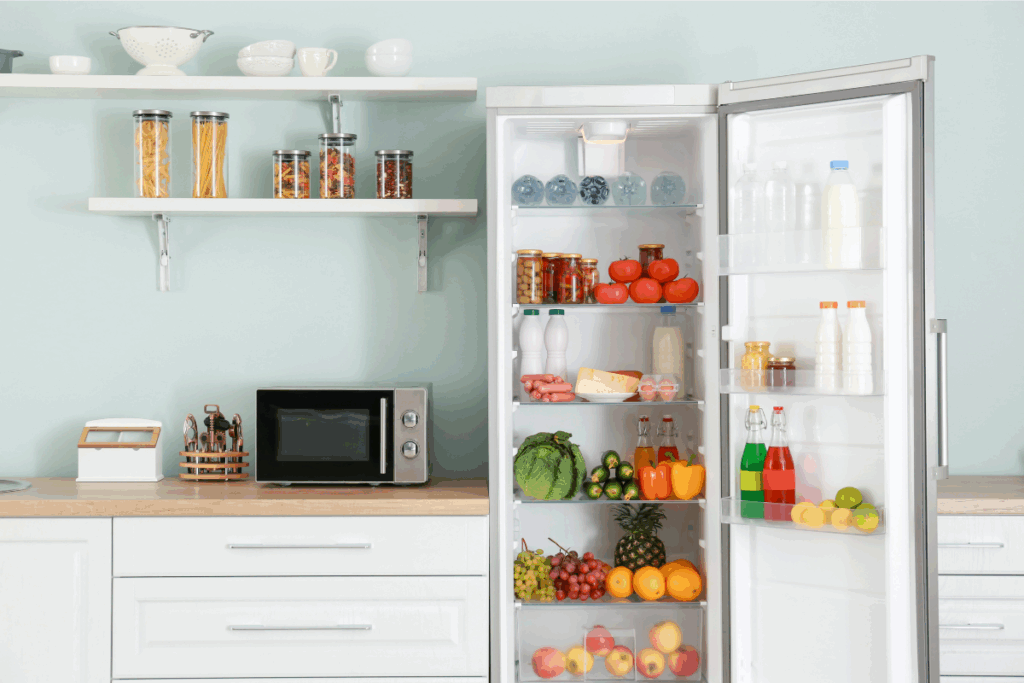
Your fridge might know your grocery habits better than you do — but is it watching too closely? Credit: Canva
You wake up to a midnight snack, half awake, looking for cheese. But little did you know that the fridge is watching you. Welcome to 2025, where your humble fridge might possibly be a snitch. It sounds ridiculous until you realise that smart appliances collect data, connect them to a cloud, and sometimes leak it.
What is a smart fridge?
If your fridge connects to Wi-Fi, it lets you check from your phone or gives you reminders about groceries. Then, congratulations: it’s smart and might be spying on you. Popular brands like Samsung, LG, and Bosch have turned their fridges into AI-powered hubs that can stream Spotify and send calendars, recipes, and shopping lists to your phone. But is that all for your convenience, or does it come with a digital price tag?
The Samsung case
Now, let us discuss the Samsung Family Hub, which is the poster child for all smart fridges. It comes with a built-in camera(not all), a touchscreen, voice controls, and can even connect to your Samsung account across other devices. Does it sound handy? However, Samsung’s privacy policy reveals that the fridge can store voice recordings on servers, use its internal camera to track inventory, and sometimes use you.
So, let us rewind to a real and very odd case from 2015. Samsung’s RF28HMELBSR—yes, that is a fridge model number, not a robot—was found leaking numerous Gmail account credentials through a vulnerability in its connection to Google Calendar. If hackers get on the same network, they get your login details, all because your fridge wanted to track your meetings.
In 2023, Samsung’s newer models came under scrutiny again. These fridges came with internal cameras, voice assistants, and recipe recommendations based on what you had inside. But it was revealed that they were sending your usage habits and voice data to third parties for targeted advertising (allegedly).
One user from TikTok reported that their fridge was giving vegan options days after a dinner chat. Not everything is a coincidence, but you decide. So, imagine explaining to your bank that “yes, the suspicious login was my fridge”.
Other weird cases emerged in the UK, such as a family reporting that their fridge randomly played YouTube videos at 3 AM. Others have insisted that some of their fridges automatically order groceries.
It’s cool and weird features.
- The cool features that provide convenience are that the fridge can alert you when milk is low, sync to calendars to remind you of upcoming events, and even play Spotify cooking playlists without other devices involved.
- The weird, creepy features that it does record your voice in order to improve “personalisation”, targets you with ads based on your preferences and what it hears, and stores photos of what is inside it, and who’s in front of it.
So my take is that if you currently have a smart fridge, begin by turning off the voice control, using a guest Wi-Fi for it, checking any data sharing settings you have with Samsung, or going old-school and writing your shopping list on paper.
The fridge is not necessarily spying on you, but if it is connected via camera and has surveillance software, then it could be. In this kitchen, you are the one who is consumed by data and advertised on what you need.
Follow Euro Weekly News on Google News
Get breaking news from Spain, travel updates, and expat stories directly on your Google News feed.
Follow on Google NewsSign up for personalised news
Subscribe to our Euro Weekly News alerts to get the latest stories into your inbox!
By signing up, you will create a Euro Weekly News account if you don't already have one. Review our Privacy Policy for more information about our privacy practices.





Tarek Salame
Tarek is a writer and digital marketer based in Barcelona, with a passion for turning complex ideas into clear, compelling narratives. With a background in marketing communications, tech, and content strategy, he has worked across industries ranging from cloud computing and fintech to fire safety and science. At Euro Weekly News, he contributes thoughtful, accessible stories that connect readers with topics shaping the modern world.
Comments