Overcrowded Spain? What 2025 tourists should expect
By Tarek Salame • Published: 14 Jun 2025 • 19:13 • 3 minutes read
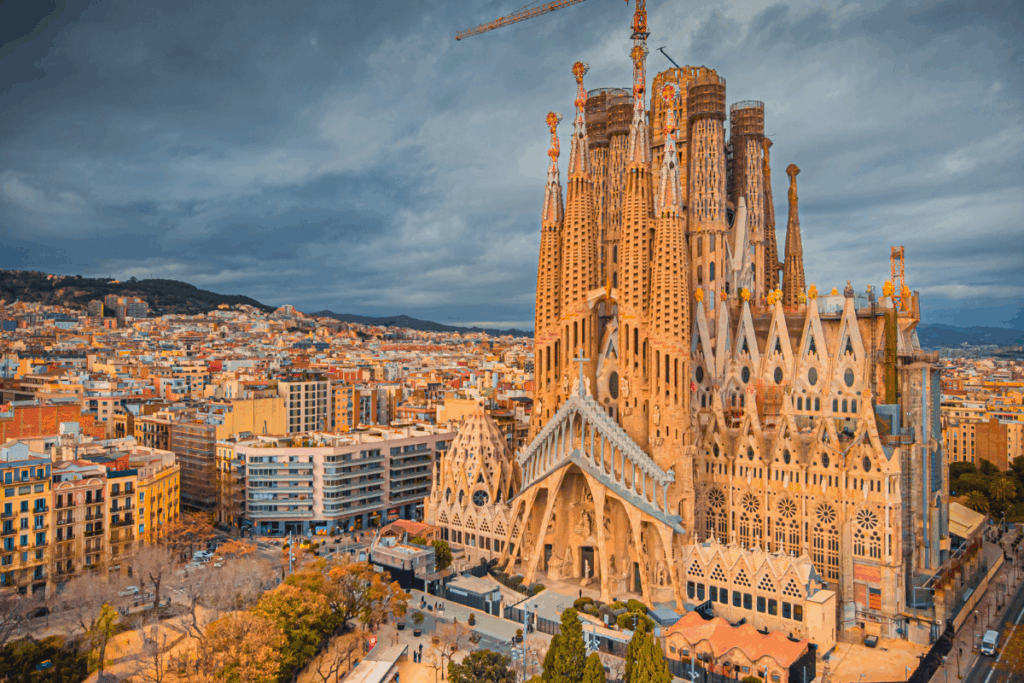
Barcelona’s iconic landmarks now face record-level tourist pressure. Credit: Pelin Oleg's Image via Canva.com
Spain is packed. And it’s only June. By the end of 2025, the country is expected to hit around 85 million international arrivals — another record, another headline. For the economy, that’s a win. But for travellers landing in Madrid this summer, it’s already starting to feel like too much. The plazas are full. Transport is stretched. Locals are speaking up. And the mood? Not always welcoming. Tourism hasn’t slowed. But something else has — the breathing room that used to define Spain’s big cities.
The trains are packed, the hotel prices are rising fast, and the quiet neighbourhoods are becoming like open-air terminals. For travellers who are chasing laid-back Spain, Spanish charm and reality might hit a little more rushed. So, what is driving this boom, and how are Spain’s most visited cities adapting before they buckle under the pressure?
Spain’s tourism numbers
As of June 2025, Spain remains one of the most visited countries in the world. The government forecasts more than 85 million international arrivals in 2025, a significant jump that reflects not only recovery but also acceleration. Barcelona, Madrid, and other hotspots, such as Málaga, are already reporting records for the fall, and the summer surge has not yet peaked.
Behind this boom, there is AI power, a travel-packed events calendar, and shifting habits. The tourists are booking faster, staying shorter, and focusing on more affordable, well-connected destinations, and Spain checks every box.
The tourist experience
By June 2025, the economic benefits in Spain are soaring, so is the pressure on both travellers and residents alike. The costs are climbing, and according to WTTC, international tourist spending is expected to reach €113 billion in 2025, a 5.7% increase from 2024 levels. That means this is an average daily spend of around €1,382 per visitor in the first quarter alone.
For travellers, this means
- Higher hotel rates
- Pricier meals
- Fewer budget options
In the first quarter of 2025, Spain is expected to welcome 17.1 million foreign tourists, and with summer yet to arrive, major attractions and metros are already feeling the strain. Popular lines are booked up, and busier streets are becoming increasingly congested.
There will be planned protests on June 15th, 2025, across 16 Spanish cities to reflect the growing unrest regarding overtourism and its effects on daily life for locals and residents. It’s not just based in Barcelona and Mallorca, but also in Madrid and Valencia across the country. Rental options with increasing prices and a sense that young tourists may be feeling that the welcome is wearing thin as summer approaches.
Madrid is under pressure.
Madrid is not collapsing on tourism, but it is under extreme strain from it. The Metro Line 1 and commuter trains have seen a strong rise in passenger volume since early spring. So the foot traffic as well has nearly doubled since 2019, according to the city’s data.
In various residential districts, residents are now calling for new limits on public drinking noise and large tourist groups, trying to establish a steady law of livability.
The rental growth continues the same story between 2022 and 2025, with short-term listings in Madrid increasing by 49%. The council has hinted at new zoning restrictions for tourist Flats in order to slow the spread. It is adapting under pressure, but not all that smoothly.
Should you still go?
If you’re currently planning a trip in summer 2025, the key is timing and mindset, so booking early is no longer a smart thing, but it’s essential. Regarding Madrid and Barcelona, their accommodation fills up weeks in advance, especially near transit lines or historic districts.
Of course, staying out of the centre helps neighbourhoods like Chamberí or Carabanchel, which would offer more breathing room with better pricing and the sense of local Rhythm than the Central zones currently lost. You can travel off-peak as well.
Locals are less tolerant of disruptive behaviour. Cities are enforcing new fines on noise and disorderly tourism, and new taxes may apply depending on your stay type and location.
Spain still delivers — the food, the art, the energy — but the careless, crowd-heavy style of tourism is fading. What’s left is still worth the trip. You have to meet it with a little more thought.
Follow Euro Weekly News on Google News
Get breaking news from Spain, travel updates, and expat stories directly on your Google News feed.
Follow on Google NewsSign up for personalised news
Subscribe to our Euro Weekly News alerts to get the latest stories into your inbox!
By signing up, you will create a Euro Weekly News account if you don't already have one. Review our Privacy Policy for more information about our privacy practices.


Tarek Salame
Tarek is a writer and digital marketer based in Barcelona, with a passion for turning complex ideas into clear, compelling narratives. With a background in marketing communications, tech, and content strategy, he has worked across industries ranging from cloud computing and fintech to fire safety and science. At Euro Weekly News, he contributes thoughtful, accessible stories that connect readers with topics shaping the modern world.
Comments