Malaga scientists dunk 160 bottles of Axarquia wine ten metres under the sea to test rumours
By Adam Woodward • Published: 04 Aug 2026 • 19:37 • 2 minutes read
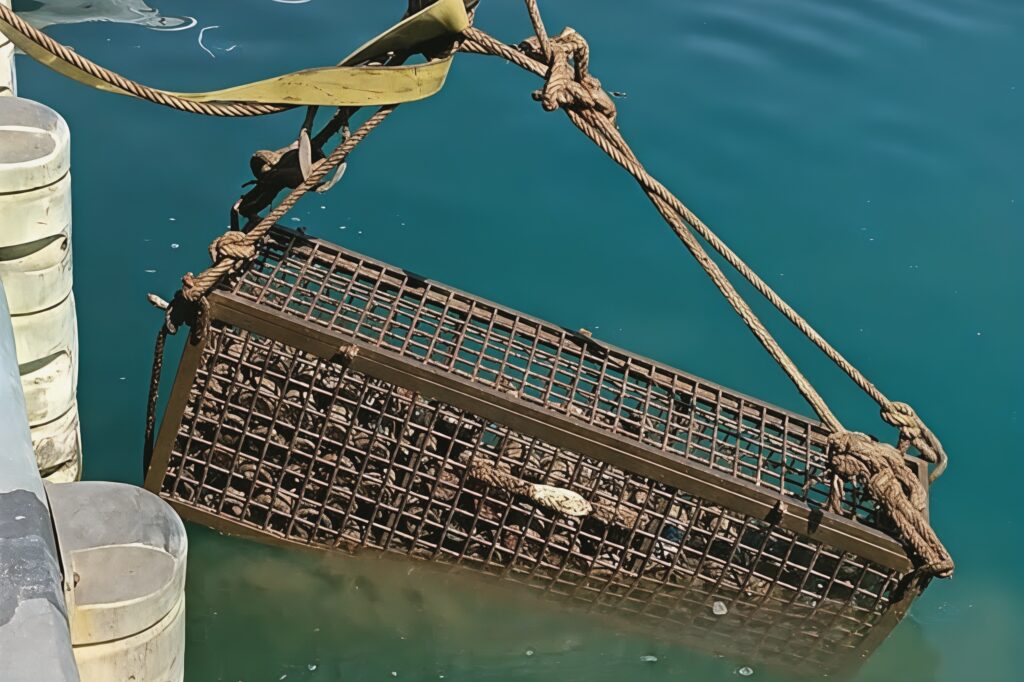
Submerged Axarquia wines return from the deep. Credit: Universidad de Malaga
Wine buffs in Malaga have been stashing booze on the seabed to discover whether dunking bottles in salt water actually makes booze taste any better. Academic researchers at the University of Malaga (UMA) have launched a groundbreaking experiment called ‘Vinos Sumergidos’ (Submerged Wines) to figure out if ocean ageing produces genuine chemical changes or if it is just a cheeky marketing gimmick to sell crusty, barnacle-covered bottles for extra cash.
Five months at the bottom of bay
Researchers led by Gorka Zamarreño-Aramendia, from the university’s SEJ-121 ‘Mediterraneo Economico’ group, lowered an experimental steel cage ten metres down into the port waters at the Real Club Mediterraneo back in February of this year. A total of 160 bottles stayed there anchored to the sea floor for five full months until divers hauled them back up to dry land in July. Water temperature, movement, and underwater pressure were meticulously tracked every single day to ensure proper scientific rigour.
Seven of the best producers across the Axarquia region pitched in for the trial, including Dimobe, Bodegas Bentomiz, Vinedos Verticales, Fabio Coullet, Bodegas Almijara, Dominio de Arenas, and Bodegas Jorge Ordoñez. Twin batches of red, white, and sweet Moscatel wines were split in half, with one set taking a dip in the Med while control bottles sat quietly in standard dry cellars on land for comparison.
Sweet Moscatels and deep sea science
Dunking sweet wines underwater is a real-world first, as most sea-ageing trials elsewhere only bother with dry whites, reds, or fizzy bubbles. Industry observers following local updates on Euro Weekly News know that Axarquia winemakers are famous for their traditional, steep-sloped vineyards, making this high-tech marine test an intriguing clash of old-school heritage and modern science.
Curious researchers popped open a single white wine bottle immediately after extraction just to have a preliminary sniff. That initial sample displayed a striking golden hue and tasted noticeably more mature. Still, the scientific team quickly pointed out that one lucky sip does not equal hard proof, insisting proper lab evidence must come first.
Moment of truth planned for October blind tasting
October will bring the real reckoning when a panel of top sommeliers, wine critics, journalists, and winemakers assemble for a strict blind taste test. Nobody in the room will know which glass came from the seabed and which slept peacefully in a cellar. Sensory ratings for aroma, body, colour, and mouthfeel will be cross-checked against lab tests checking pH, alcohol strength, acidity, polyphenols, and sugar levels.
Local producers across Malaga province hope positive lab findings could open up lucrative commercial avenues and boost regional enotourism without compromising traditional craftsmanship.
Follow Euro Weekly News on Google News
Get breaking news from Spain, travel updates, and expat stories directly on your Google News feed.
Follow on Google NewsSign up for personalised news
Subscribe to our Euro Weekly News alerts to get the latest stories into your inbox!
By signing up, you will create a Euro Weekly News account if you don't already have one. Review our Privacy Policy for more information about our privacy practices.

Adam Woodward
Adam is a writer who has lived in Spain for over 25 years. With a background in English teaching and a passion for music, food, and the arts, he brings a rich personal perspective to his work at Euro Weekly News. As a father of three with deep roots in Spanish life, Adam writes engaging stories that explore culture, lifestyle, and the everyday experiences that shape communities across Spain.
Comments