Early beachgoers set new record as jellyfish app helps Costa Blanca swimmers
By Anna Ellis • Published: 04 Aug 2026 • 17:27 • 2 minutes read
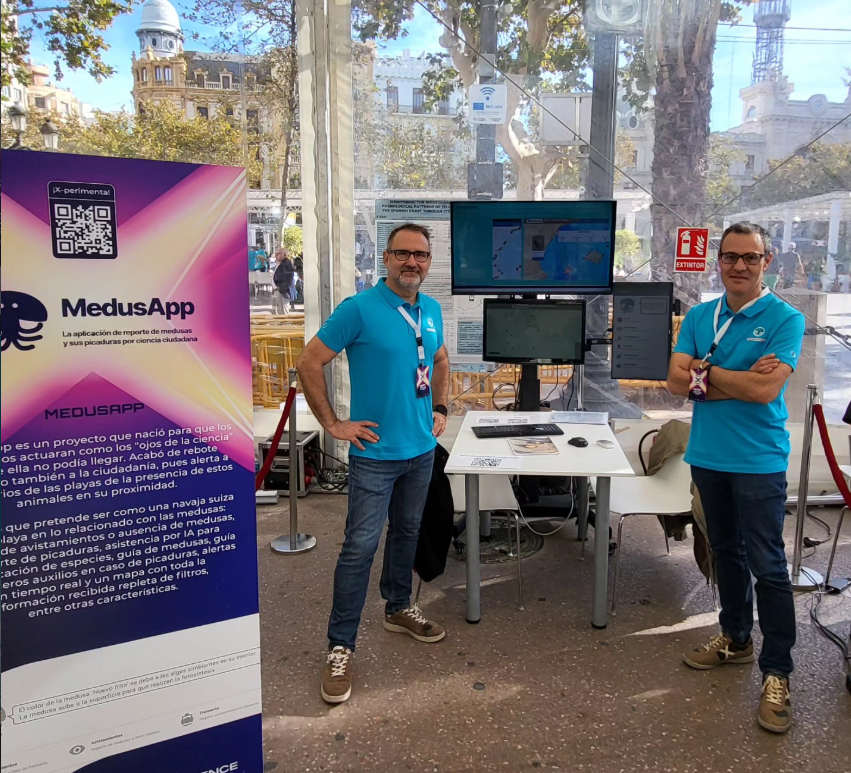
MedusApp allows users to report jellyfish sightings. Credit: MedusApp.
Summer on the Costa Blanca continues to produce its own traditions, from beachgoers racing to claim the best spot on the sand before sunrise to technology helping swimmers keep an eye on jellyfish. Torrevieja has set a new unofficial record for the earliest beach umbrella of the season, while researchers at the University of Alicante have launched new features for a popular app that tracks jellyfish sightings.
Torrevieja’s earliest beach umbrella breaks record
Torrevieja has broken its own unofficial summer record for the earliest beach umbrella of the season.
The first umbrella on Playa del Cura was spotted at 5:34 AM on August 3, beating last year’s record by 12 minutes. In 2025, the first determined beachgoer claimed their place on the sand at 5:46 AM.
While most of the town was still asleep, one early riser was already setting up for the day, determined to secure a prime spot by the sea before sunrise.
The moment was captured by the Proyecto Mastral webcam overlooking Playa del Cura, which streams live images from the beach 24 hours a day.
The annual race to claim the best places on Torrevieja’s busiest beaches has become something of a summer tradition, with regular visitors arriving earlier each year during the peak holiday season.
Although there’s no official prize for being first, the latest record shows just how competitive the search for a front-row spot by the Mediterranean can become during August.
New jellyfish map helps beachgoers stay informed
A free app developed by researchers at the University of Alicante (UA) is helping beachgoers keep track of jellyfish, with a new interactive map launched in time for the summer.
MedusApp allows users to report jellyfish sightings and view where different species have been spotted along the coast. The new web-based map also shows how sightings change over time, giving swimmers a clearer picture of conditions before heading to the beach.
Every report submitted through the app helps build a growing scientific database, but all sightings are checked before being published. An artificial intelligence system trained using more than 10,000 images identifies the species and verifies the location, with experts carrying out the final review.
The app also includes first aid advice prepared by healthcare professionals, explaining what to do if someone is stung.
Researchers say the data has revealed changes in the Mediterranean. Of the more than 2.5 million jellyfish recorded so far, the harmless fried egg jellyfish has now overtaken the stinging mauve stinger as the most commonly reported species.
First launched eight years ago, MedusApp has now been downloaded more than 700,000 times on Android and iPhone devices. Originally designed for the Mediterranean coast, it is now used by beachgoers and researchers around the world.
Follow Euro Weekly News on Google News
Get breaking news from Spain, travel updates, and expat stories directly on your Google News feed.
Follow on Google NewsSign up for personalised news
Subscribe to our Euro Weekly News alerts to get the latest stories into your inbox!
By signing up, you will create a Euro Weekly News account if you don't already have one. Review our Privacy Policy for more information about our privacy practices.



Anna Ellis
Anna is a writer originally from Derbyshire, UK, who has called the Costa Blanca home for the past 20 years. Living in a quiet corner of the countryside, she brings a down-to-earth perspective to life in Spain. At Euro Weekly News, Anna covers local stories and community news, drawing on her long-standing connection to the region and its people.
Comments