The Spanish city that is called the ‘Cuba of Europe’
By Olivier Acuña Barba • Updated: 15 Jun 2025 • 13:12 • 3 minutes read
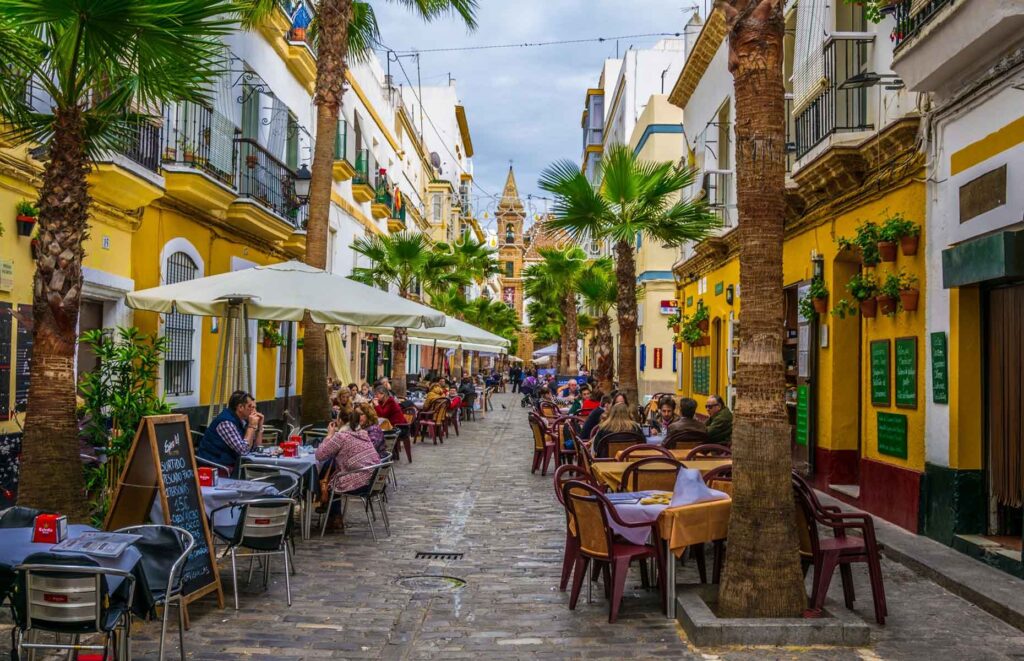
This 3,129-year old city, is the oldes in Europe and has been nicknamed the Cuba of Europe | Creidts: Expedia
Spain has hundreds of fascinating cities and towns, but very few manage to captivate visitors without resorting to great fanfare. One of them is Cádiz, a magical city that seems to float between the Atlantic and history, between the salt flats and the memories of ancient navigators.
It’s no coincidence that in recent years, this Andalusian city has become an increasingly recommended destination, even by the international media, including The Sun.
It’s a Spanish city with direct flights to and from the United Kingdom. It has been compared to the Caribbean island of Cuba, with its beaches and streets used to film famous Hollywood films. “It has Havana-like streets and a James Bond beach,” The Sun wrote. Founded by Phoenician navigators 3,129 years ago, some 80 years after the Trojan War, Cadiz is one of Western Europe’s oldest cities and is surrounded by water on three sides.
More than 100 watchtowers
This ancient port city in the Andalucia region of southwestern Spain is the home to the Spanish Navy. Its port boomed in the 16th century as a base for exploration and trade.
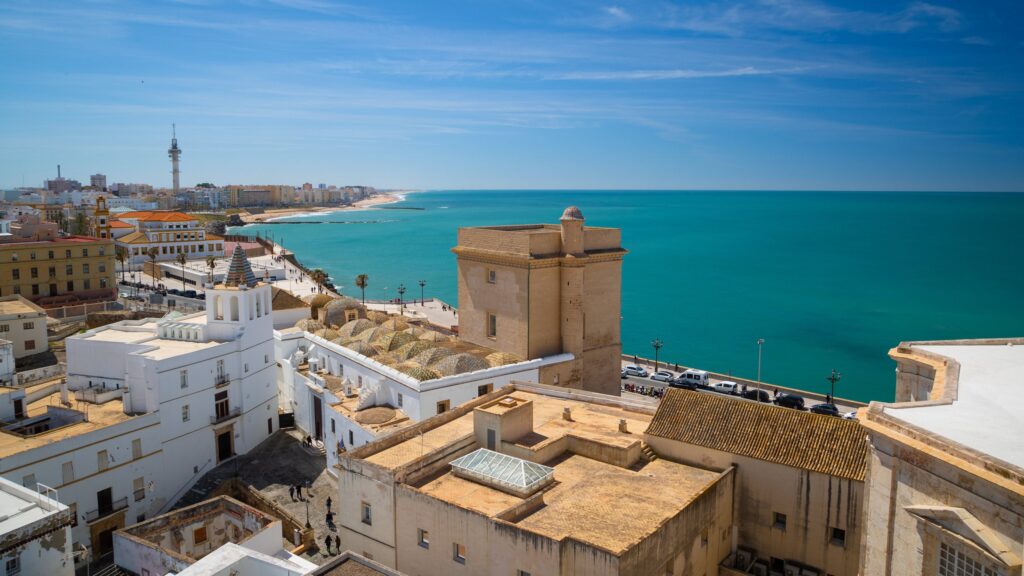
It has more than 100 watchtowers, including the iconic Torre Tavira, which was traditionally used for spotting ships. On the waterfront stands the domed 18th-century Cádiz Cathedral, featuring a blend of Baroque and Neoclassical elements.
And now it’s nicknamed the “Cuba of Europe,” a comparison that is far from exaggeration. The comparison is based on real aspects, ranging from its architecture to its coastal atmosphere and vibrant spirit.
The similarities between Cádiz and Havana are uncanny, and those who visit its narrow streets, with flower-filled balconies, facades weathered by the sea breeze, and music vibrating in every corner, immediately understand the nickname.
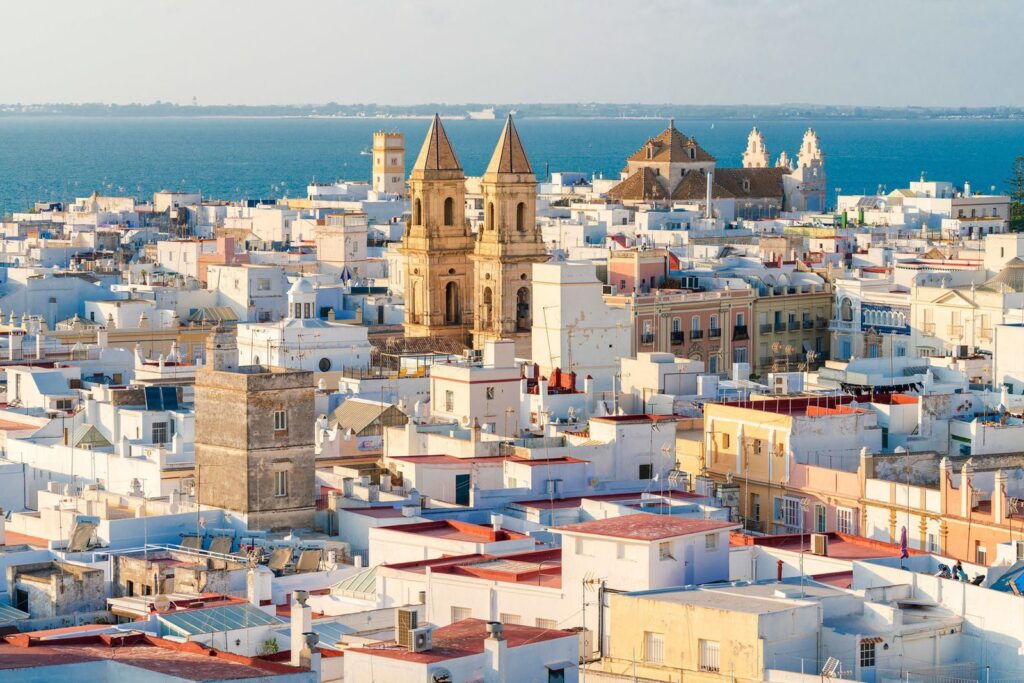
The Cuba of Europe
However, Cádiz is much more than a Caribbean postcard in southern Europe: it is living history, tradition, sea, and soul.
Tourists from the United Kingdom represent one of the largest groups of visitors to Spain, accounting for almost 20 per cent of all foreign tourists. However, it’s unusual for the country’s press to focus on less crowded destinations like Cádiz.
Therefore, the Sun’s recent report labelling this city “the Cuba of Europe” has generated unexpected attention, sparking the curiosity of many English-speaking travellers.
This name comes from the similarity between Cadiz’s old town and the colonial streets of Havana. Walking through Cadiz can, at times, be reminiscent of a transoceanic voyage without having left Spain.
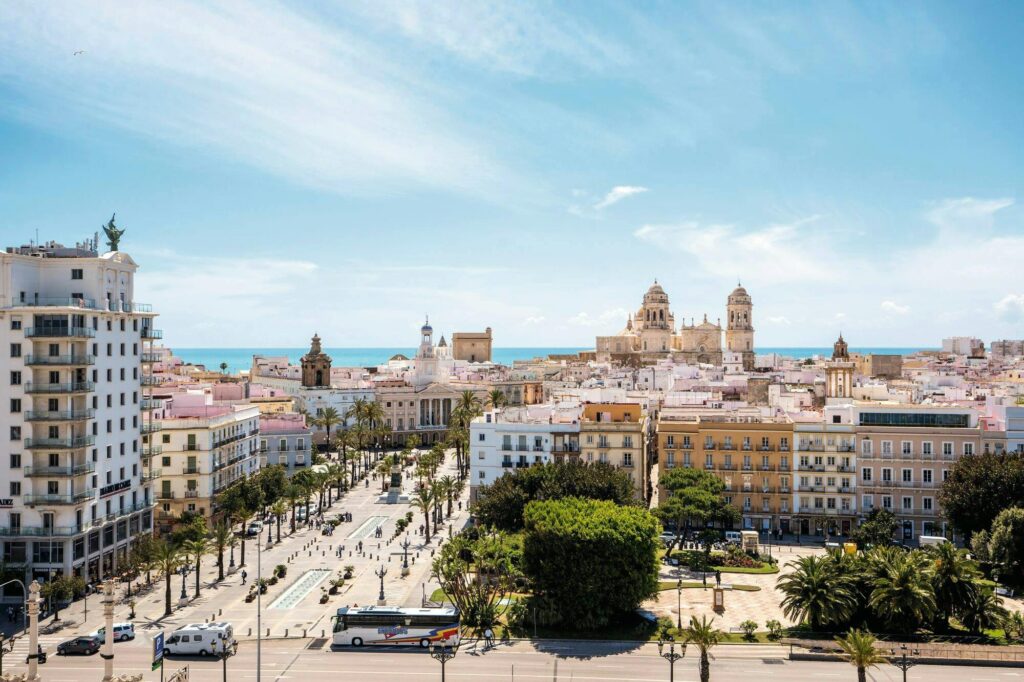
History lives in its streets
The historic centre, completely surrounded by the sea, is a labyrinth of narrow streets that suddenly open into squares bathed in the Atlantic light. Here, the white stone of the buildings, eroded by centuries of wind and salt, combines with the bright colours of wrought-iron balconies, creating an atmosphere that undoubtedly recalls the more traditional neighbourhoods of Old Havana.
One of the reasons that has most contributed to this comparison between Cádiz and Cuba is the cinema. In 2002, the James Bond saga chose a very special location to recreate a legendary scene from “Die Another Day.”
In the film, the agent, played by Halle Berry, is supposed to emerge from the waters of a Cuban beach. However, what few people know is that the scene, so vividly remembered by fans, was filmed on La Caleta beach.
A symbol of the city
Located in the heart of the city centre, La Caleta is a symbol of the city. With its mere 450 metres in length, fine sand, and surroundings dominated by ancient bastions, it has captivated the hearts of locals and visitors alike.
Its location between two castles (Santa Catalina and San Sebastián) reinforces the cinematic and exotic character that makes it unique.
Unlike other destinations in Andalusia, which can sometimes be overcrowded with tourists, Cádiz retains a certain air of mystery.
Although it’s increasingly welcoming visitors, especially in the summer and during Carnival, the city retains its identity. It’s a place where you can stroll leisurely, where waiters remember your name, and where the sound of the sea is never far away.
This balance between authenticity and beauty is one of the reasons why many British travellers, and those of other nationalities, are beginning to discover Cádiz as a perfect alternative to more well-known destinations.
This Andalusian city doesn’t need big advertising campaigns or dazzling monuments to win over visitors. It does so with its character, its light, its stories told from street corners, and its golden sunsets over the Atlantic.
Follow Euro Weekly News on Google News
Get breaking news from Spain, travel updates, and expat stories directly on your Google News feed.
Follow on Google NewsSign up for personalised news
Subscribe to our Euro Weekly News alerts to get the latest stories into your inbox!
By signing up, you will create a Euro Weekly News account if you don't already have one. Review our Privacy Policy for more information about our privacy practices.




Olivier Acuña Barba
Olivier is a veteran journalist with over 40 years of experience writing in both English and Spanish. His career has covered a wide spectrum of topics—including organised crime, politics, business, entertainment, and international affairs—with work published by major outlets such as The Guardian, ITV News, and the Associated Press. At Euro Weekly News, Olivier brings depth and insight to stories that inform and engage international readers, drawing on decades of frontline reporting and interviews with world leaders, ministers, and renowned cultural figures.
Comments