Get paid to live in these small Spanish villages
By Olivier Acuña Barba • Published: 16 Jun 2025 • 21:33 • 3 minutes read
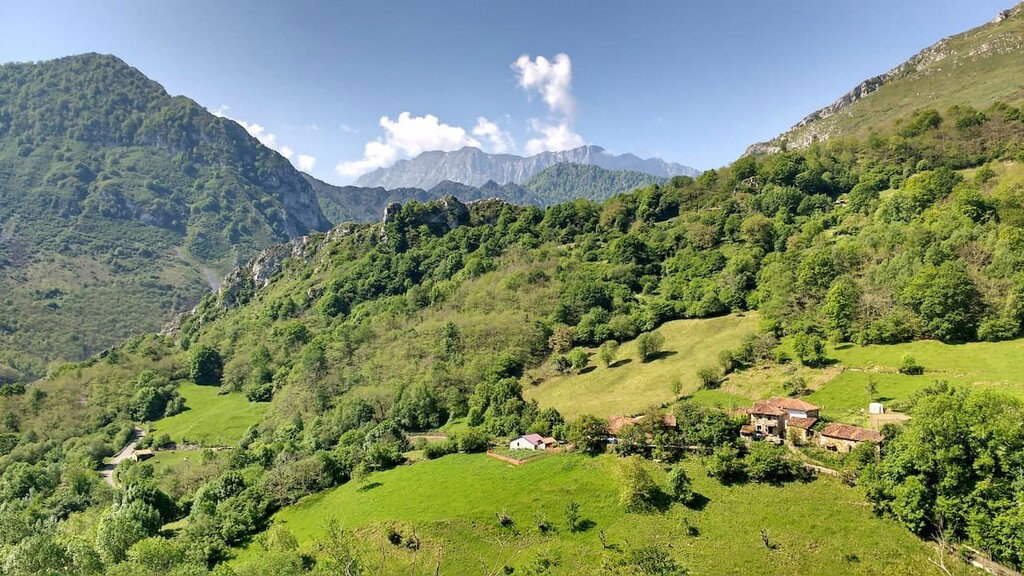
Some places in isolated Spanish villages pay you to move to their town | Credits: Shutterstock
Picture this. You get paid just for choosing to settle down in a Spanish village. It might seem a little wild, but in some corners of Spain, it’s a very real opportunity.
The exodus of locals to cities — or even abroad — has left many rural areas nearly deserted. This growing emptiness means fewer services and fewer resources. Now, in a bid to bring life back into their streets, many town councils are offering generous incentives.
Some of these Spanish municipalities are offering cash grants, free land for new construction, and even a salary to those who relocate.
It’s a route many are turning to in their search for a quieter lifestyle — and a chance to get paid to do it. It’s not a matter of snagging abandoned villages for free, but you will find some of the best places to live in rural Spain, putting forward incentives you’d be mad not to consider.
Ponga, Asturias
Ponga, a small community nestled in the lush hills of Asturias, serves as a poster child for these renewal schemes.
The town’s population has been shrinking as its younger generation moves away in search of opportunity. So Ponga’s local council made a dramatic move: it offers a €3,000 grant to any couple who decides to settle there, with another €3,000 for each new baby.
However, as of 2024, there has been no official word on new funding rounds or application dates, so you should check directly with Ponga’s town hall if you’re considering making a move.
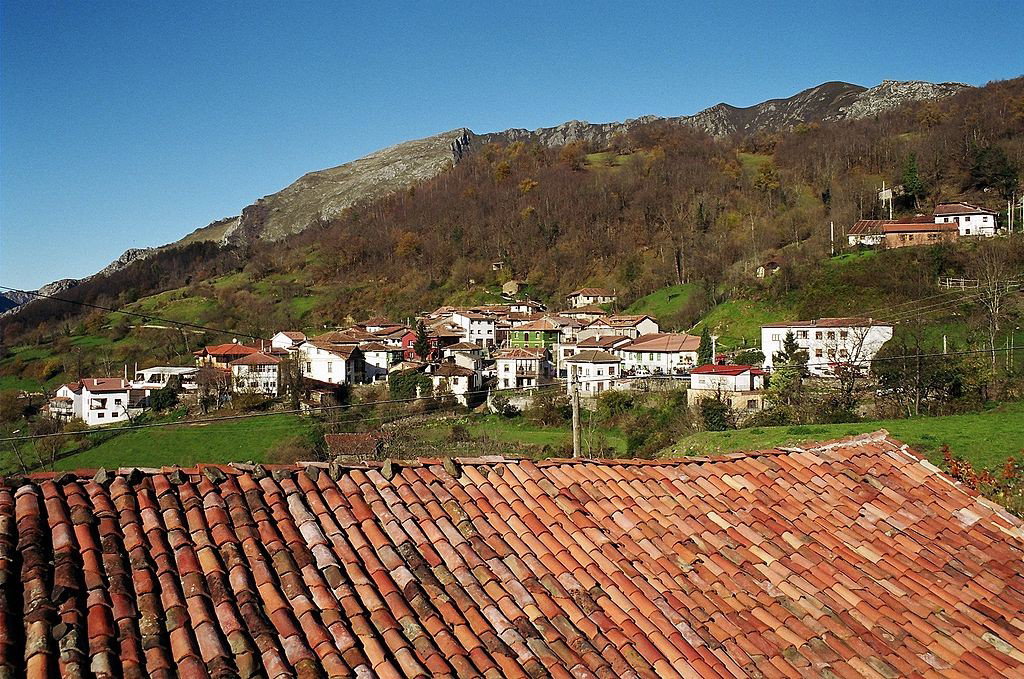
Olmeda de la Cuesta, Cuenca
Tucked into the rolling hills of Cuenca, Olmeda de la Cuesta is frequently called one of Spain‘s oldest villages. To reverse its slide toward becoming a ghost town, the local council decided to offer plots of land at nearly giveaway prices, starting from as little as €200 to approximately €1,300 for parcels of up to 205 m².
The primary requirement is that you construct a home or business within a specified timeframe of a few years. Some even come with their caves — perfect for wine storage — adding character to your new home in the countryside.
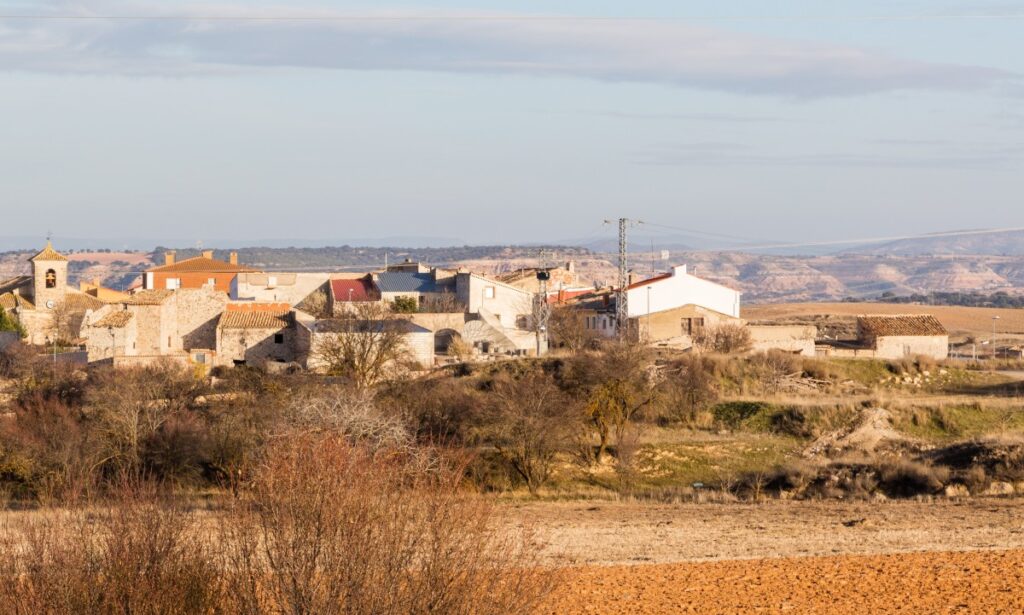
A Xesta, Pontevedra
A Xesta, in Pontevedra, is a tiny spot where the population’s been shrinking for years. Local initiatives are now offering rental properties at remarkable prices — sometimes as low as €100 a month — although typically, you’re looking at something closer to €300–€600 per month for a home in this beautiful corner of Galicia. The allure after the pandemic is unmistakable: much more space, much less stress, at a price many can afford.
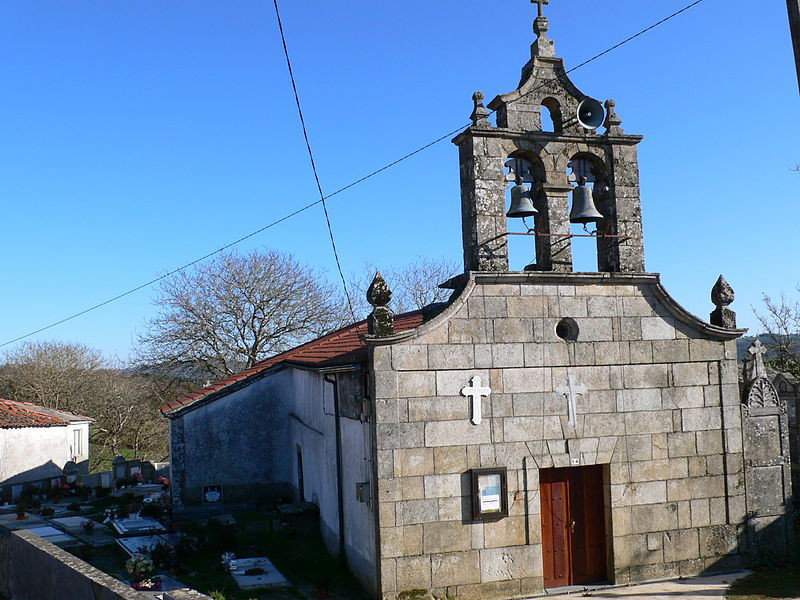
Rubiá, Galicia
Rubiá, in Orense, is turning its fate around by offering incentives of €100–€150 per month to new residents.
Rent here is an absolute bargain — starting from as little as €50 a month, making it a realistic and low-cost place to put down roots and start a new chapter in your life.
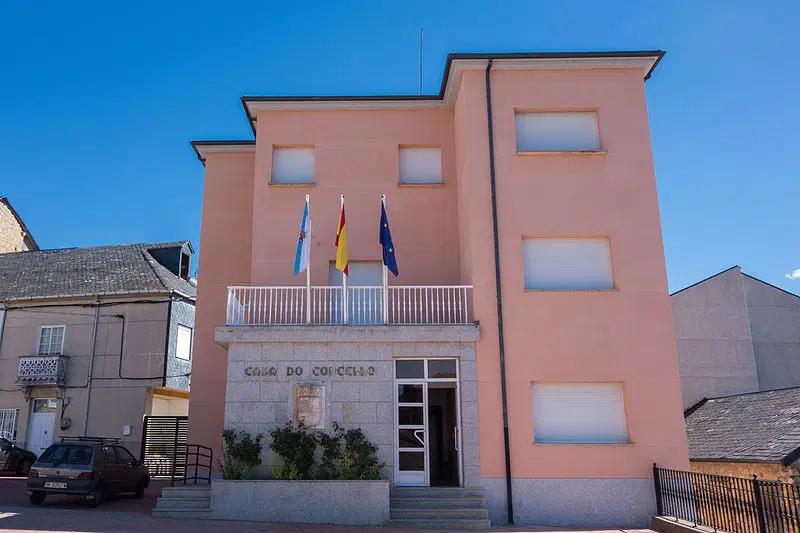
Griegos, Aragón
In Griegos, a small community of just 140 people in the wild Sierra de Albarracín, the local council is offering generous incentives. Families can enjoy their first 3 months’ rent for free — and after that, pay just €225 per month — with a further discount of €50 for each school-aged child. Griegos is a place where community, kindness, and peace come as standard.
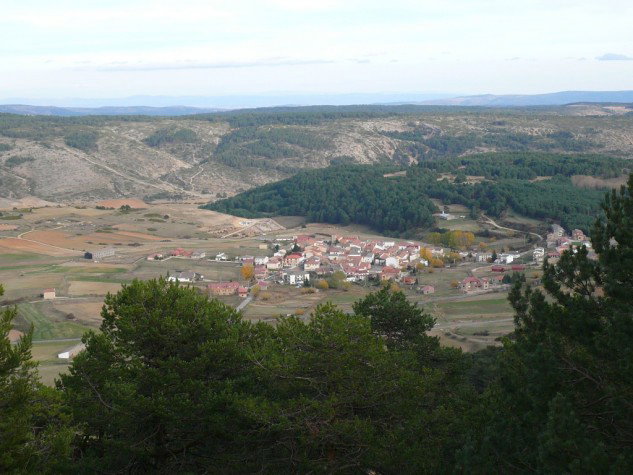
Almadrones, Castilla-La Mancha
Almadrones, just over an hour from Madrid, stands out with a unique scheme backed by the private company Rebollo & Díaz. Move here, aid the community, and you’ll pocket between €1,100 and €1,600 a month, with free housing and all your food covered.
The project is seeking individuals with skills in beauty services, tutoring, pet care, or the trades or those who wish to bring their venture. An online co-working space, supported by EU funding, guarantees a strong internet connection for remote workers.
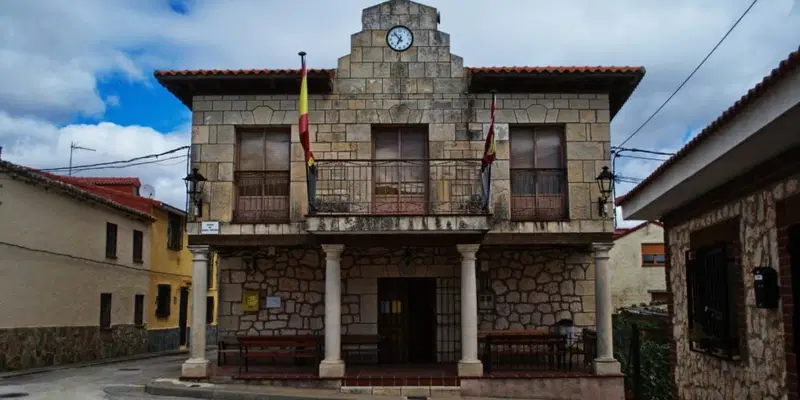
Other initiatives
Across Spain, numerous initiatives are being implemented to attract new residents to small villages. Arganza, in León, offers free housing to families with two or more children to prevent the closure of its school. Eliate in Almería does much the same.
Retortillo in Soria is employing the unemployed. Some abandoned villages, like Salto de Castro in Zamora, are even up for sale at reasonable prices — in this case, for €260,000.
a
If you’re thinking about making the move, start by checking the local council’s website or contacting their town hall directly. Some schemes — like Almadrones — are managed by companies, which means you’ll want to watch their announcements.
You’ll need a valid passport and a Spanish NIE (Foreigner’s Identification Number) for the paperwork. Land auctions or incentives typically come with conditions — for instance, you must build or move in within a set period — but follow those, and you’re up for a new start in Spain’s countryside.
Follow Euro Weekly News on Google News
Get breaking news from Spain, travel updates, and expat stories directly on your Google News feed.
Follow on Google NewsSign up for personalised news
Subscribe to our Euro Weekly News alerts to get the latest stories into your inbox!
By signing up, you will create a Euro Weekly News account if you don't already have one. Review our Privacy Policy for more information about our privacy practices.



Olivier Acuña Barba
Olivier is a veteran journalist with over 40 years of experience writing in both English and Spanish. His career has covered a wide spectrum of topics—including organised crime, politics, business, entertainment, and international affairs—with work published by major outlets such as The Guardian, ITV News, and the Associated Press. At Euro Weekly News, Olivier brings depth and insight to stories that inform and engage international readers, drawing on decades of frontline reporting and interviews with world leaders, ministers, and renowned cultural figures.
Comments