How a single sentence in your rental contract could protect you from ‘rent squatters’
By Marc Menendez-Roche • Updated: 25 Jul 2025 • 10:47 • 3 minutes read
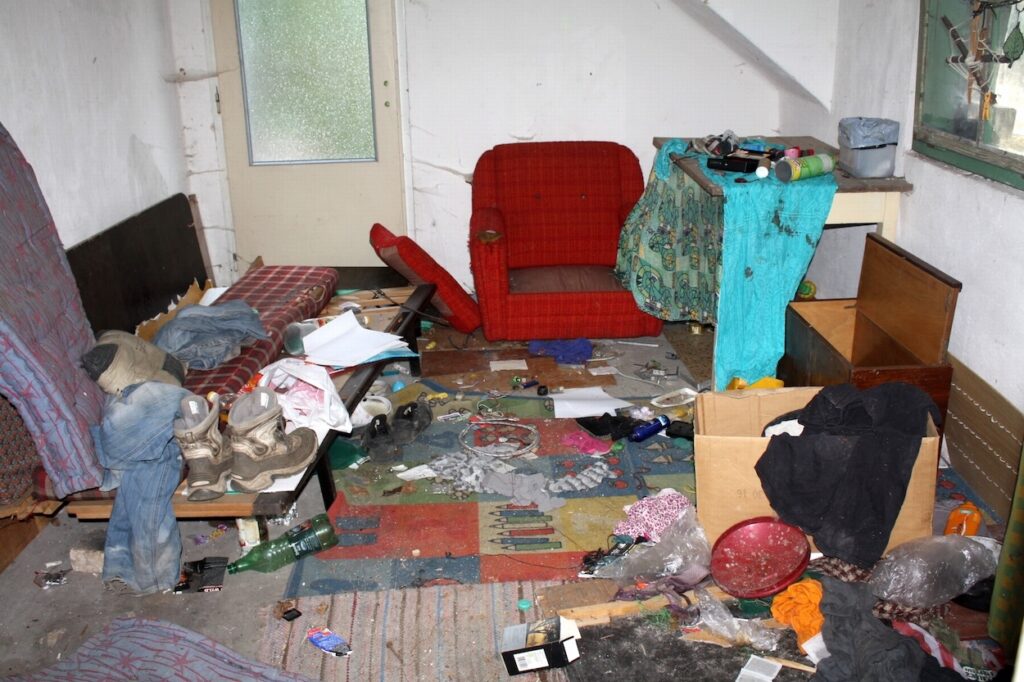
Concept image of a real squatter mess in a run-down living room in Barcelona, Spain. Credit: sangriana, Shutterstock
Spain’s growing squatters’ crisis – and the clever legal clause that’s fighting back.
If you’re a landlord in Spain, there’s a new breed of unwanted guest keeping you up at night – and it’s not cockroaches. Meet the inquiokupa – a tenant who stops paying rent but refuses to leave. Not quite a squatter in the traditional sense, but just as much of a legal headache.
According to data from Spain’s General Council of the Judiciary (CGPJ), over 36,000 illegal occupation complaints were filed in 2023 – up 12% from the previous year. But it’s not just squatters sneaking into empty properties in Spain. A rising number of rent-dodging tenants are simply overstaying their welcome. The Platform for People Affected by Mortgages (PAH) reports an 18% rise in “inquiokupa” cases over the past five years, especially in cities like Madrid, Barcelona and Valencia.
A clause with claws
So, what’s a law-abiding landlord to do? According to Spanish lawyer and TikTok legal star Alberto Sánchez (aka LegalMente), the answer might lie in one very specific clause – and it’s backed by a magistrate from the Spanish Supreme Court.
It all hinges on Article 248 of the Penal Code, which deals with fraud. If you include the right wording in your rental agreement, you may be able to treat a non-paying tenant not just as a civil nuisance, but as a potential criminal.
Here’s the magic sentence (first translated from Spanish, then in Spanish):
“In the event that the tenant stops paying rent during the first year of the lease, the landlord reserves the right to initiate criminal proceedings for fraud under Article 248 of the Penal Code, including a request for precautionary measures from the investigating judge for immediate eviction and, in applicable cases, detention.”
Spanish Version:
“Para el supuesto de que el arrendatario deje de pagar las rentas en los periodos siguientes a la firma del contrato, dentro de la primera anualidad del arrendamiento, el arrendador se reserva el ejercicio de las acciones penales procedentes por la comisión de un delito de estafa del artículo 248 del Código Penal, con solicitud de medidas cautelares al juez de instrucción de expulsión inmediata y acordar la detención en esos casos”.
It’s not just legalese for the sake of sounding tough. As Sánchez explains:
“The important thing is that the contract is clear from the start, and the tenant is aware of the criminal consequences of non-payment.”
Can this really fast-track an eviction?
Sort of, in some cases. This clause doesn’t give you the right to throw someone out on the spot. But it does open the door to criminal proceedings against the squatter – potentially speeding things up considerably compared to a drawn-out civil eviction.
If a tenant stops paying during the first 12 months of the lease, the process looks like this:
- Step 1: Notify the tenant – Send a formal warning via ‘burofax’ or certified post. You’ll need proof that the tenant was officially informed of the debt.
- Step 2: File a complaint – If there’s no resolution, you can report the tenant for fraud, attaching the contract with the relevant clause.
- Step 3: Ask the judge for action – The judge may approve precautionary measures, like immediate eviction or even detention, if there’s clear evidence of bad faith.
The twist? This only works if the non-payment looks intentional and deceptive. A tenant who’s had a rough patch might not qualify as a fraudster.
Not a silver bullet – but a useful weapon
María López, a Civil Law professor at Madrid’s Complutense University, urged caution, as cited by Spanish media outlet Cope:
“It depends on the judge. If the tenant can prove they were going through temporary financial hardship, it may not meet the threshold for criminal fraud.”
Still, López agrees the clause can be a useful deterrent – and could significantly reduce the time and stress involved in reclaiming a property.
Prevent first, litigatelater
This legal trick doesn’t solve Spain’s broader housing issues or squatting problem in certain areas, but for landlords, it offers something rare in this area: a bit of control. With housing reforms still crawling through government debate, this clause has quickly become a go-to tool for savvy property owners.
Forget garlic and holy water – the real protection against modern-day property vampires might just be one sharp sentence in your rental contract.
Get more Spanish living news.
Follow Euro Weekly News on Google News
Get breaking news from Spain, travel updates, and expat stories directly on your Google News feed.
Follow on Google NewsSign up for personalised news
Subscribe to our Euro Weekly News alerts to get the latest stories into your inbox!
By signing up, you will create a Euro Weekly News account if you don't already have one. Review our Privacy Policy for more information about our privacy practices.





Marc Menendez-Roche
Marc is a writer, educator, and language enthusiast with a background in business and legal communication. With over a decade of experience in writing and teaching, he brings a clear, engaging voice to complex topics—guided by a keen interest in educational neuroscience and how people learn. At Euro Weekly News, Marc contributes lifestyle features and community-focused stories that highlight everyday life across Spain. His ability to connect language, learning, and lived experience helps bring depth and relatability to the topics he covers.
Comments
Ann Rosser
26 July 2025 • 10:13This process could be a lot quicker, as we all know Squatters shouldnt be allowed to stay in properties and should have no rights, what they are doing should be illegal, they should be removed immediately the laws an ass.
I know if only it were that simple but hey it should be, rant over.
Mark
27 July 2025 • 09:05Why dies the clause contain reference to non payment only during the first 12 months? My view is that if you, as landlord, have a contract willingly signed by the renter which details all the terms and conditions, that surely should be sufficient to safeguard your interests?
Comments are closed.