EU offers extra year of warranty on phones, but Spain faces delays
By Farah Mokrani • Published: 18 Oct 2026 • 23:15 • 4 minutes read
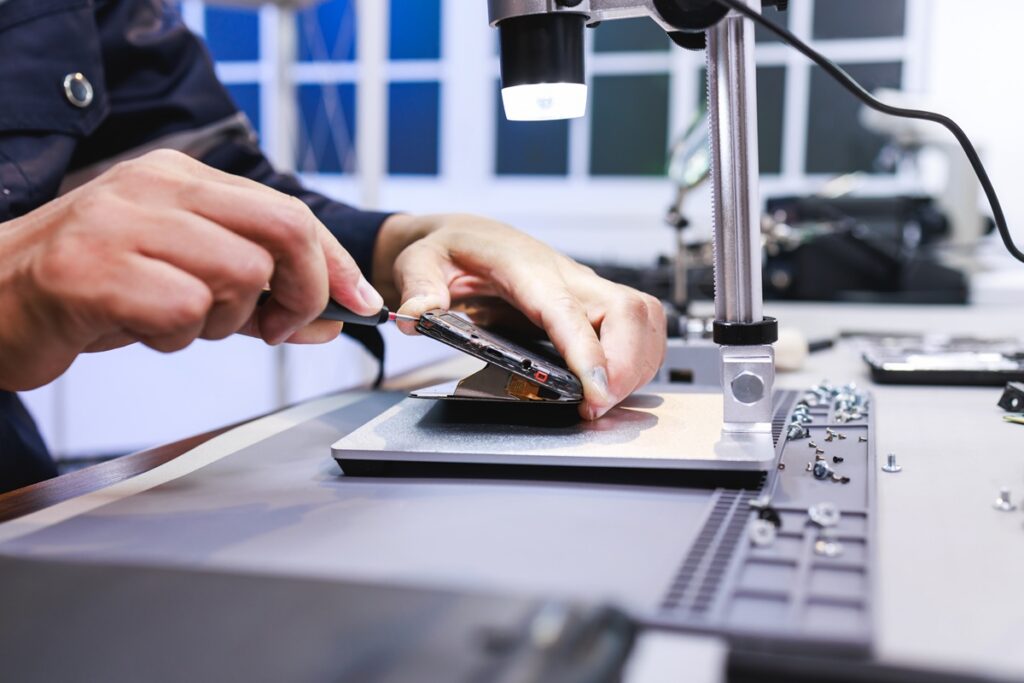
New EU rules offer extra warranty protection for qualifying smartphone repairs. Credit : PanuShot, Shutterstock
Buying a new smartphone or washing machine in Spain could come with an extra year of legal protection if the product develops a fault and the owner chooses to have it repaired rather than replaced. Under new European Union rules, consumers are entitled to at least 12 additional months of warranty protection in qualifying cases. But there is a catch: Spain has missed the deadline to bring the new rules fully into national law.
The European Commission has launched infringement proceedings against Spain and 17 other EU countries for failing to notify the complete implementation of the legislation. The deadline passed on July 31, 2026, leaving questions over when consumers in Spain will be able to rely on the additional protection.
The changes form part of the EU’s Right to Repair Directive, which aims to make repairing defective products easier and more attractive than replacing them. The rules cover everyday purchases, including smartphones, tablets and certain household appliances.
However, the extra 12 months do not apply automatically to every purchase. They are linked to specific circumstances in which a consumer chooses a repair instead of a replacement during the legal guarantee period.
Why Spain is facing EU action over the right to repair
The European Parliament and Council adopted Directive (EU) 2024/1799 in June 2024, giving member states until July 31, 2026, to incorporate the new requirements into their national legislation.
On September 25, the European Commission opened infringement proceedings against Spain, alongside 17 other member states, for failing to communicate the complete transposition of the directive.
The first step is a formal notice giving the authorities two months to respond and address the shortcomings identified by Brussels. If the Commission considers the response insufficient, it may move to the next stage of the infringement procedure.
The action does not mean Spain has been fined, nor does it necessarily mean that every provision of the directive is absent from Spanish law. It means the European Commission had not received notification of its complete implementation by the required deadline.
As of October 18, there has been no confirmed announcement in the official sources reviewed that Spain has completed the full transposition since the September notice.
This distinction matters for shoppers. Although the EU deadline has passed, consumers should not assume that every new provision can already be enforced against a private retailer in Spain.
A directive sets obligations for member states to achieve particular results, but national legislation is generally needed to establish how those obligations apply in transactions between consumers and businesses.
How the extra 12-month warranty would work
Spain already provides a three-year legal guarantee on new consumer goods, including smartphones, televisions and household appliances. This existing protection is separate from any optional commercial warranty offered by a manufacturer or retailer.
Under the EU’s new rules, when a consumer is entitled to a remedy for a defective product and chooses repair rather than replacement, the seller’s liability period must be extended by at least 12 months.
The European Commission explains that the measure is intended to encourage consumers to keep products in use for longer rather than discard them when a repair is possible.
For example, imagine buying a new smartphone in Spain after July 31, 2026. If it develops a covered fault during its legal guarantee period and you choose an eligible repair instead of a replacement, the new framework provides for an additional year of legal protection.
In a country such as Spain, where the standard legal guarantee for new goods lasts three years, that could mean protection extending to four years in a qualifying case, once the relevant rules are applicable.
But it does not mean that every phone sold in Spain automatically comes with a four-year warranty. Nor does the directive provide a fresh three-year guarantee every time a product is repaired. The additional extension under this provision is granted once.
There is also an important date restriction. The directive specifies that the changes to the rules governing sellers’ liability do not apply to sales contracts concluded before July 31, 2026.
Consumers who bought their phones or appliances before that date should therefore not assume that the new 12-month extension applies to their purchases.
Which products are covered and what can consumers in Spain do?
The EU’s right-to-repair legislation extends beyond smartphones. It also addresses repairs for products such as tablets, washing machines, dishwashers, refrigerators and vacuum cleaners, subject to the relevant EU product requirements.
One important change concerns what happens after the legal guarantee has expired.
For certain categories of products covered by EU repairability rules, consumers will be able to request a repair from the manufacturer even after the seller’s guarantee period has ended.
That does not mean all out-of-warranty repairs must be free. Manufacturers may charge a reasonable price, and the obligation applies only to products and circumstances covered by the legislation.
The directive also seeks to improve access to information about repair services and spare parts. A European online repair platform is planned for 2027 to help consumers find suitable repairers.
For consumers living in Spain, the priority is to understand which rights are already enforceable. The existing three-year legal guarantee for new goods remains in place. If a product develops a fault covered by that guarantee, consumers can contact the seller and request the remedies available under Spanish consumer law.
It is worth keeping the purchase receipt, warranty documents and any written communication concerning a repair or replacement.
Anyone offered a repair should also ask the retailer to confirm in writing how the repair affects the remaining legal guarantee period.
For now, the EU’s additional 12-month protection represents a potentially valuable change for consumers, particularly those buying expensive electronics or household appliances.
But until Spain’s implementation is fully clarified, shoppers should distinguish between rights already established under Spanish law and additional protections required by the new EU directive.
The next development to watch is Spain’s response to the European Commission’s infringement procedure, with the initial two-month period running towards late November.
Follow Euro Weekly News on Google News
Get breaking news from Spain, travel updates, and expat stories directly on your Google News feed.
Follow on Google NewsSign up for personalised news
Subscribe to our Euro Weekly News alerts to get the latest stories into your inbox!
By signing up, you will create a Euro Weekly News account if you don't already have one. Review our Privacy Policy for more information about our privacy practices.





Farah Mokrani
Farah is a journalist and content writer with over a decade of experience in both digital and print media. Originally from Tunisia and now based in Spain, she has covered current affairs, investigative reports, and long-form features for a range of international publications. At Euro Weekly News, Farah brings a global perspective to her reporting, contributing news and analysis informed by her editorial background and passion for clear, accurate storytelling.
Comments