Painful stinging ants in Spain: New warning as France fights infestation spread
By Adam Woodward • Published: 18 Oct 2026 • 19:12 • 3 minutes read
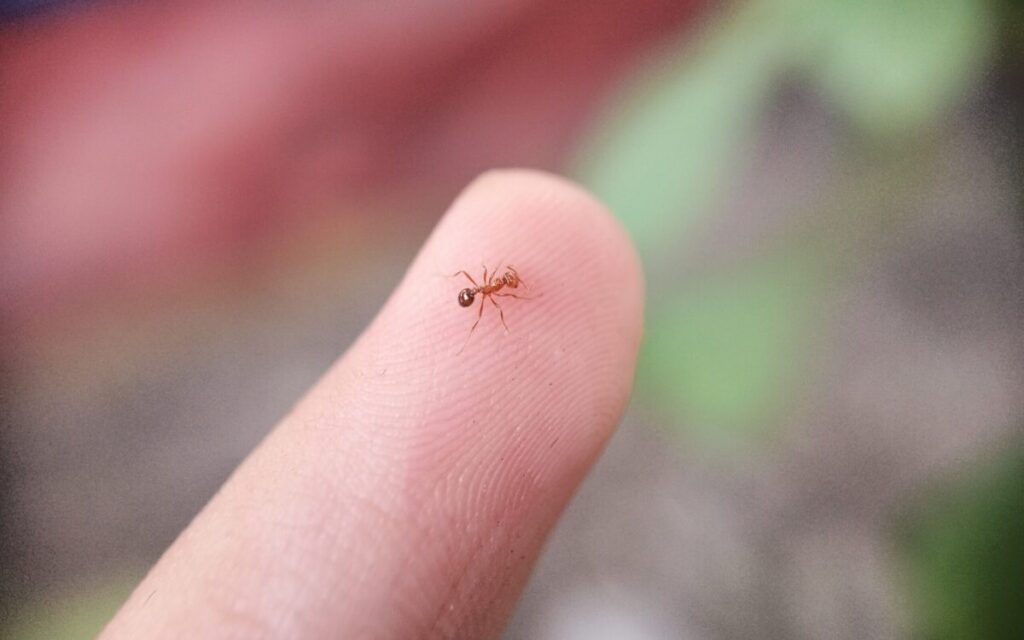
"Electric" ants taking over in France and Spain. Credit: Masudah - Shutterstock
Tiny invasive ants capable of delivering painful sting have established colonies along Spain’s southern coast, as authorities in France battle to contain a growing number of infestations.
The species, known as the electric ant or little fire ant, has been recorded in several locations in Malaga province, as well as Alicante and Tenerife. Its spread has raised concerns about the damage it can cause to native wildlife and the difficulty of eradicating colonies once they become established.
France is now facing a growing challenge of its own, with eight known infestation sites reported in the south of the country, up from one when the ants were first detected there in 2022.
Where have electric ants been found in Spain?
Walked in and found a whole ant meeting on my type-C cable, Help me out @grok, why do they love electricity so much? 😱😲 https://t.co/zoWdcGwhiR
— lobiii ⚡✨ (@lobii7689) October 12, 2026
Scientific research has documented populations of Wasmannia auropunctata in Marbella, Calahonda in Mijas, Estepona and Benalmadena. Researchers have also reported the species in La Marina, Alicante province, and Los Cristianos in Tenerife.
The first known Spanish population was discovered in Marbella in 2018. A study published in 2024 found that the affected area there had grown from 5.7 hectares in 2018 to 16 hectares in 2023.
Researchers subsequently reported a population covering approximately 5.1 hectares in La Marina. The ants were found in residential areas and nearby coastal dunes, raising concerns about their ability to establish themselves in Mediterranean environments.
These findings confirm that the species is not confined to France. However, the published research does not establish that every affected area is currently expanding, and the full extent of the Spanish populations remains uncertain.
Why are the tiny ants causing concern?
Electric ants measure just 1–2mm long, making them difficult to spot. Their small size does not prevent them from delivering painful stings, which can cause intense discomfort and, in some cases, allergic reactions.
Their impact extends further than people. The ants can displace native ant species, compete with other insects and prey on small animals. Researchers studying an infested area of Marbella found a striking difference in ant diversity between the affected zone and surrounding areas. Pets may also be affected, particularly if ants come into contact with sensitive areas such as the nose or eyes.
Native to Central and South America, the species has become an invasive pest in several parts of the world. Its ability to establish colonies in gardens and residential areas makes early detection particularly important.
France battles eight infestation sites
The latest French outbreak has led to renewed concern about the species’ spread across the Mediterranean. According to French news outlet The Connexion, seven known sites are in the Var department, including Toulon, La Croix-Valmer, Cavalaire-sur-Mer, Sainte-Maxime, Hyeres and La Seyne-sur-Mer. An eighth site has been identified at Carry-le-Rouet, west of Marseille.
Researchers believe the ants may have arrived through contaminated potted plants, although the precise routes of introduction have not been established in every case. Five of France’s eight known sites were identified after a reporting platform was launched in May 2026, illustrating how difficult the ants can be to detect.
Can electric ants be eradicated?
Controlling an established colony is difficult because the ants visible on the surface represent only a small proportion of the population. Workers can carry poisoned bait back to the nest, allowing it to reach other members of the colony, including the queen.
French specialists have been using targeted bait treatments and monitoring affected areas. However, they have warned that fewer sightings during autumn and winter do not necessarily mean the treatment has worked, as colder conditions can reduce ant activity.
A more reliable assessment of the French eradication efforts is expected in spring 2027, with at least two years of treatment potentially needed to determine whether the colonies can be eliminated.
For residents in Spain, the findings underline the importance of checking unusual ant infestations rather than assuming they are ordinary garden ants. Anyone who suspects they have found the species should seek identification from the relevant regional environmental authorities rather than attempting to treat a suspected invasive colony themselves.
Follow Euro Weekly News on Google News
Get breaking news from Spain, travel updates, and expat stories directly on your Google News feed.
Follow on Google NewsSign up for personalised news
Subscribe to our Euro Weekly News alerts to get the latest stories into your inbox!
By signing up, you will create a Euro Weekly News account if you don't already have one. Review our Privacy Policy for more information about our privacy practices.





Adam Woodward
Adam is a writer who has lived in Spain for over 25 years. With a background in English teaching and a passion for music, food, and the arts, he brings a rich personal perspective to his work at Euro Weekly News. As a father of three with deep roots in Spanish life, Adam writes engaging stories that explore culture, lifestyle, and the everyday experiences that shape communities across Spain.
Comments