7 tonnes of toxic clams seized in Spain-Portugal fishing bust
By Letara Draghia • Published: 13 Aug 2025 • 18:11 • 1 minute read
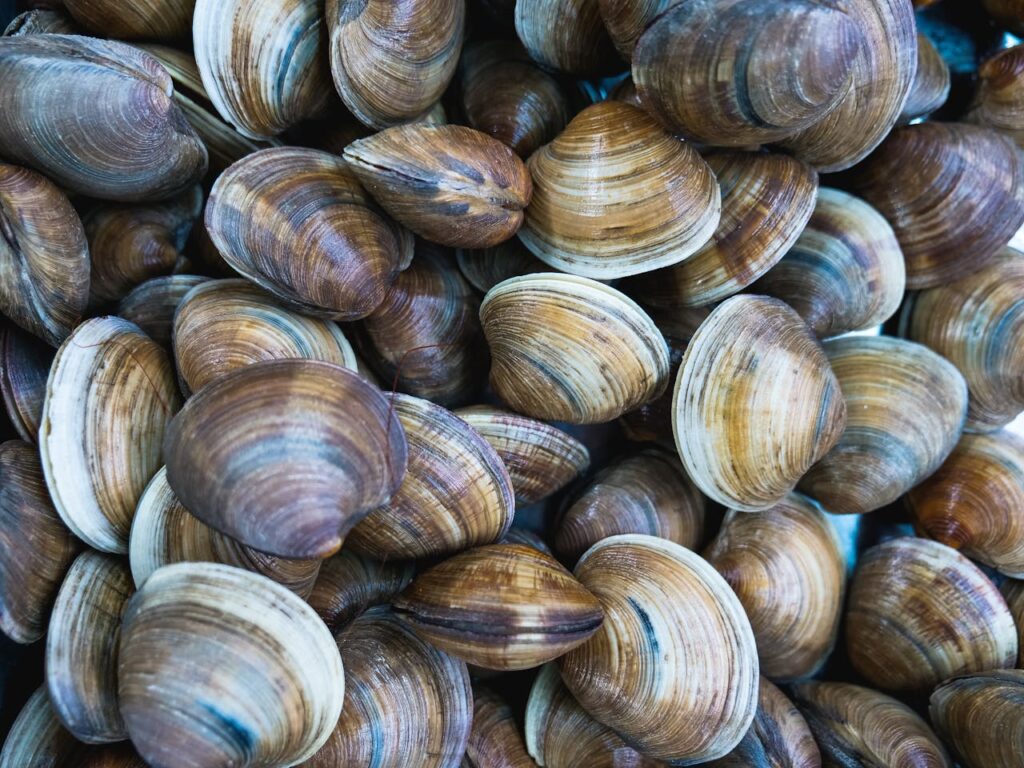
Clampdown on clams. Credit: Kindel Media, Pexels.
Spanish and Portuguese authorities, backed by Europol, have seized more than seven tonnes of clams unfit for human consumption and arrested 11 suspects accused of making at least €1.6 million this year from the illegal shellfish trade. Officials say the contaminated seafood was destined for restaurants in Spain, Portugal, France, and Italy.
Cross-border clampdown on illegal clam trade
According to Europol, the suspects were part of a network harvesting ‘Manila’ or Japanese clams (Ruditapes philippinarum) illegally from the River Tajo along the Spain–Portugal border.
The clams were allegedly kept alive in water containers before being passed into the legal market using fake documentation, bypassing health inspections.
Officials warn the shellfish posed a major public health risk. Consumption of contaminated clams can cause food poisoning, gastroenteritis, or hepatitis.
Profits and exploitation
Investigators estimate the wider trade could be worth up to €2.5 million per week, with criminal profits allegedly laundered through luxury vehicle sales.
The case has also exposed suspected human trafficking. Europol said workers – often irregular migrants – were reportedly paid just €1 to €1.50 per kilo of clams harvested.
Raids and arrests
The investigation began in April after Spanish Guardia Civil seized 235 kilos of clams and shared intelligence via Europol’s SIENA network.
Two coordinated action days were carried out on June 23–24 and July 30, 2025. Police arrested 11 suspects, seized seven vehicles, and confiscated clams worth an estimated €150,000.
The suspects face potential charges including:
- Environmental crime
- Money laundering
- Document fraud
- Food and human health fraud
Europol’s role
Europol said it supported the operation from the outset, funding investigator meetings and running a virtual command post. An environmental crime expert was deployed on-site during the raids, while Portuguese officers joined Spanish counterparts in Huelva.
Authorities involved included:
- Spain’s Guardia Civil Nature Protection Service (SEPRONA)
- Portugal’s Economic and Food Safety Authority (ASAE)
- Portugal’s Maritime Police
With authorities warning about both the health risks and the exploitation linked to this trade, should EU nations increase seafood import checks, or will such crackdowns only drive the Black Market further under the radar?
View all news from Spain.
View all European news.
Follow Euro Weekly News on Google News
Get breaking news from Spain, travel updates, and expat stories directly on your Google News feed.
Follow on Google NewsSign up for personalised news
Subscribe to our Euro Weekly News alerts to get the latest stories into your inbox!
By signing up, you will create a Euro Weekly News account if you don't already have one. Review our Privacy Policy for more information about our privacy practices.



Letara Draghia
Letara is a seasoned lifestyle journalist and copywriter with over a decade of experience writing for leading UK brands including Harrods, John Lewis, and Dreams. She specialises in lifestyle, property, wellness, fashion, and consumer tech—helping brands connect with their audiences through compelling, on-brand storytelling. Since relocating to Spain in 2022, Letara has been a regular contributor to Euro Weekly News, covering local culture, expat life, community events, and family-focused stories. Her deep understanding of both British and Spanish lifestyles allows her to craft content that resonates strongly with the expat community.
Comments