Spain’s new road signs are live: the five you’ll see first – and the one sparking rows
By Farah Mokrani • Published: 30 Aug 2025 • 22:30 • 2 minutes read
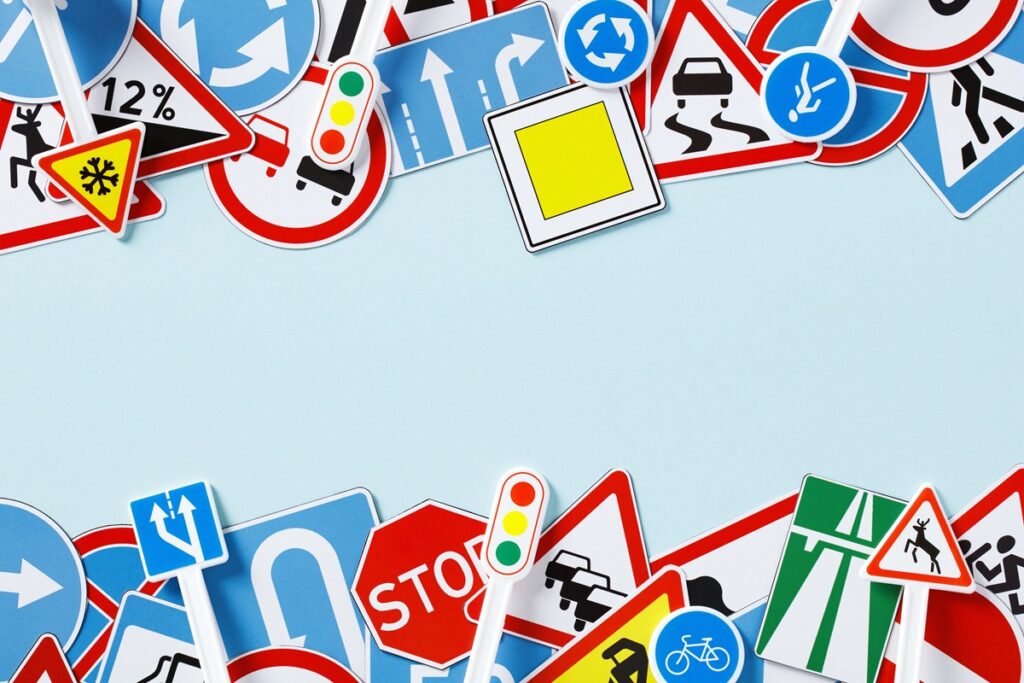
Spain’s 2025 road-sign refresh: the new icons motorists will start seeing. Credit : Savanevich Viktar, Shutterstock
Spain has quietly pushed through the biggest sign refresh since 2003, and it’s already rolling out on new road projects from July 1.
You won’t wake up to a totally different roadside overnight – older plates will be replaced gradually – but drivers will start spotting unfamiliar symbols on motorways, city streets and rural routes.
What’s changed and when you’ll notice
The update tidies up vertical signage, works and beaconing, signals from officers, variable/circumstantial signs and traffic lights. In short, the look and language of Spain’s roads have been brought in line with how we actually travel now: more tech in cars, more e-scooters and EVs, more mixed traffic.
- Changes are mandatory on new schemes approved from now on.
- Existing signs stay valid and will be swapped out over time — so expect a mix for a while.
New symbols to learn fast (and why they matter)
Here are the plates you’re most likely to meet first – and what the DGT wants you to do when you see them:
- P-21b – Vulnerable pedestrians ahead.
A clear triangular warning for places frequented by people with mobility or sensory difficulties (near special schools, clinics or care homes). Slow early and give space. - P-35 – Weaving section.
Brand-new alert for the stretch between a merge and a split where drivers tend to dive across lanes. It exists because crash data shows a spike in rear-end shunts here. Hold your lane, plan the move, don’t cut across late. - R-118 – No e-scooters (VMP).
Micromobility finally gets its own ban sign. If you ride a vehículo de movilidad personal, this plate means you’re not allowed in — think promenades, tunnels or busy pedestrian zones. - S-1c – Start of a 2+1 road (the controversial one).
Blue information sign for a single carriageway with three lanes where the centre lane alternates by direction to offer safer overtaking windows. Social media says “confusing”; the rule is simple: the middle lane belongs only to whichever direction it’s assigned to at that moment. Follow overhead arrows/road markings — if it’s not for you, it’s out of bounds. - EV & camper wayfinding.
Fresh icons for electric charging points and fuel stations with LPG. Plus S-128 for motorhome waste-water disposal — handy if you tour.
Why you should care: last year, rear-end collisions on high-speed roads left dozens dead and hundreds seriously hurt. Signs like P-35 and the 2+1 layout are there to reduce tailgating and last-second swerves.
The old signs being retired (and what replaces them)
A few plates are heading for the museum as “obsolete” after two decades of change:
- S-127 (classic service-area symbol on motorways) gives way to updated service icons.
- S-21.1 / S-21.2 (mountain pass/winter transitability) are dropped as conditions now appear on variable message signs and apps.
- Several legacy works/beaconing plates are cleaned up for better visibility and consistency.
How to stay on the right side of the new rules
- Clock the blue S-1c and check the overheads: if the centre lane isn’t yours, don’t use it.
- Respect P-35 by leaving room; a simple two-second gap at least (more in the wet) prevents the fines and the crunch.
- E-scooter riders: watch for R-118 – the ban plate – and reroute; fines aside, it’s about mixing safely with pedestrians.
Bottom line: Spain’s signage refresh isn’t a trap – it’s a translation. Roads have changed (EVs, e-scooters, adaptive cruise, busier junctions), so the signs now speak 2025. Learn the handful of newcomers once and you’ll read the road with confidence – and avoid the nasty surprises everyone’s grumbling about online.
Stay tuned with Euro Weekly News for more news about Motoring
Follow Euro Weekly News on Google News
Get breaking news from Spain, travel updates, and expat stories directly on your Google News feed.
Follow on Google NewsSign up for personalised news
Subscribe to our Euro Weekly News alerts to get the latest stories into your inbox!
By signing up, you will create a Euro Weekly News account if you don't already have one. Review our Privacy Policy for more information about our privacy practices.




Farah Mokrani
Farah is a journalist and content writer with over a decade of experience in both digital and print media. Originally from Tunisia and now based in Spain, she has covered current affairs, investigative reports, and long-form features for a range of international publications. At Euro Weekly News, Farah brings a global perspective to her reporting, contributing news and analysis informed by her editorial background and passion for clear, accurate storytelling.
Comments
gws
31 August 2025 • 09:01Did it not cross the mind of the writerr or editor that this article should have included pictures of the signs mentioned?
Dawne
31 August 2025 • 10:43Images next to description would have been extremely appropriate. Going to be driving around guessing
Donnie
31 August 2025 • 11:45Thank you for this update, but is it possible to edit the article and include illustrations of the actual signs, because that would massively enhance this information? The codes given for the road signs are alien to most of us
Cati
31 August 2025 • 14:42I can’t believe you’ve not put thumbnails or some kind of image with these bullet points! Pretty useless, really!
Jack
31 August 2025 • 19:17P35! What happened the ‘not crossing the solid white line!??? 🤔👊
Comments are closed.