New DGT car stickers in Spain: what drivers need to know before 2026
By Farah Mokrani • Published: 18 Sep 2025 • 16:31 • 3 minutes read
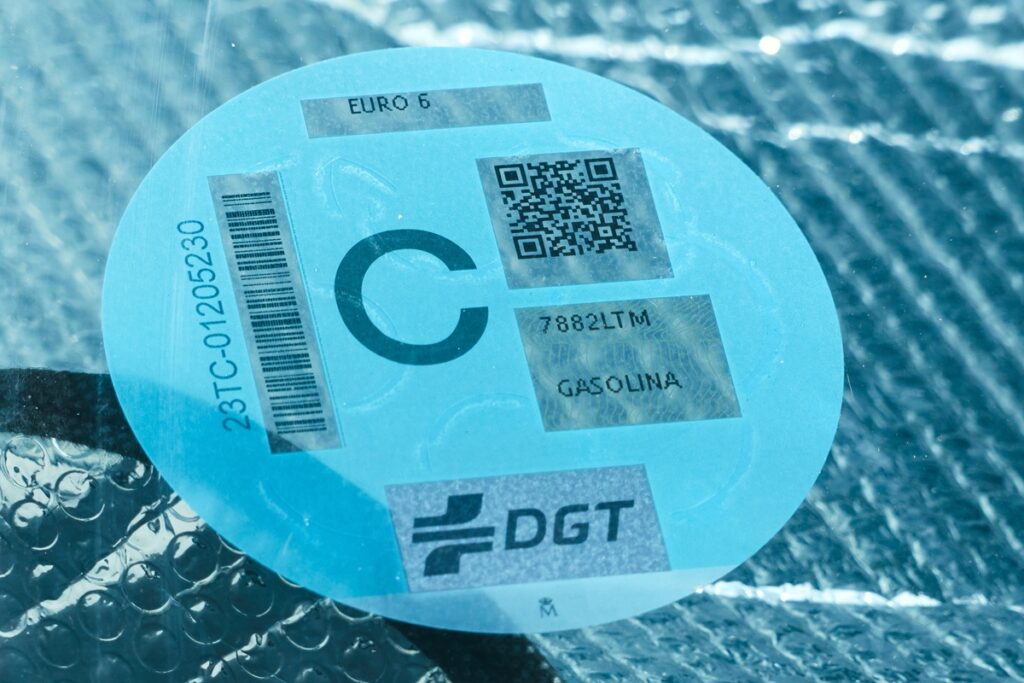
Spain’s DGT eco sticker system will change in 2026. Credit : Capturing Images, Shutterstock
If you drive in Spain, you’ll know those little coloured stickers that sit in the corner of your windscreen. They might look simple, but they’re becoming more important by the year.
From 2026, the Dirección General de Tráfico (DGT) is shaking up the way cars are classified, and that means some drivers could suddenly find their vehicles pushed into a different environmental category.
The change isn’t just about bureaucracy. With tougher restrictions coming into force in low-emission zones (Zonas de Bajas Emisiones, ZBE) across the country, the sticker on your windscreen could decide whether you can drive into the heart of cities like Madrid, Barcelona or Valencia.
What’s changing with the new DGT labels?
The system of four labels — Zero Emissions, ECO, C and B – will stay, but the criteria are being redefined. The DGT says the new rules will give a more accurate picture of how much pollution each vehicle really produces.
- Zero Emissions (0): This category will be stricter. Only 100 per cent electric cars, hydrogen-powered vehicles and plug-in hybrids capable of at least 90km on electric power alone will qualify.
- ECO: Standard hybrids, plug-in hybrids with shorter ranges and gas-powered vehicles will sit here, but only if they meet the latest Euro 6d standards.
- C: Petrol vehicles that comply with Euro 6d and diesel vehicles meeting Euro 6d-TEMP or Euro 6d.
- B: Older petrol cars (Euro 4) and diesel vehicles (Euro 6) that don’t fit the higher groups.
One of the biggest changes is the DGT’s decision to include WLTP testing data, which reflects fuel use and emissions in real-world driving rather than under lab conditions. In practice, that means fewer loopholes and more cars being judged on how they actually perform on the road.
How do you check your new sticker?
The good news is that checking your car’s category is straightforward. On the DGT website, there’s a section called “Consulta del distintivo ambiental de tu vehículo.” You type in your registration number and the system tells you exactly which label applies.
Once the new stickers roll out, they’ll be available through Correos (post offices), authorised garages, administrative managers, the automotive research institute IDEAUTO, and through Ganvam for larger fleets.
As before, the sticker has to be placed in the bottom right-hand corner of your windscreen so it’s easy to spot. Forget to display it and you could end up with a fine.
Why does this matter now?
The timing isn’t random. Since January 1 2025, cars without any environmental label have been banned from most Spanish city centres, unless they’re emergency vehicles, adapted for people with reduced mobility or classic cars registered as historic. The measure has already changed driving habits across Spain, with many older cars effectively locked out of urban areas.
So by the time the 2026 update comes around, having the correct sticker won’t just be about avoiding a penalty – it will be essential if you want to keep using your car in urban areas. For many expats, especially those who rely on older vehicles, this could mean facing tough choices about whether to upgrade.
The DGT says the aim is simple: encourage the shift towards cleaner vehicles and cut urban air pollution. For drivers, though, the new rules also bring uncertainty, especially if your car currently sits in the ECO category but won’t meet the tighter standards in 2026.
What drivers should do now
The best advice is to check your current label as soon as possible. Even if the official changes are still a year away, knowing where your vehicle stands will help you plan ahead. If you’re considering changing cars, keep the 2026 rules in mind, otherwise you might end up buying something that’s already outdated by the time the new labels kick in.
It’s also worth keeping an eye on your local council’s rules. Cities have the power to decide how strictly they enforce low-emission zones, and the penalties for breaking them vary. In Madrid, for example, fines for unauthorised entry into restricted zones are already common – and costly.
those small windscreen stickers are about to matter more than ever. With tougher rules, stricter city access and new categories on the way, 2026 could be the year many drivers are forced to rethink their options. Better to be prepared now than face fines – or find yourself locked out of your own city.
Stay tuned with Euro Weekly News for more news from Spain
Sign up for personalised news
Subscribe to our Euro Weekly News alerts to get the latest stories into your inbox!
By signing up, you will create a Euro Weekly News account if you don't already have one. Review our Privacy Policy for more information about our privacy practices.



Farah Mokrani
Farah is a journalist and content writer with over a decade of experience in both digital and print media. Originally from Tunisia and now based in Spain, she has covered current affairs, investigative reports, and long-form features for a range of international publications. At Euro Weekly News, Farah brings a global perspective to her reporting, contributing news and analysis informed by her editorial background and passion for clear, accurate storytelling.
Comments
Brian
19 September 2025 • 13:17Having just scoured the DGT website, there is no section “consulta…….” to be found!
Ian
19 September 2025 • 14:51How can UK registered cars get an emissions category sticker? The registration checks provided by DGT do not recognise UK licence plates. This makes no sense in Malaga, say, where a car coming off a ferry will have tp drive straight into the ZBE. How will cities treat UK-registerd cars (or Moroccan ones, for instance) that drive through cities or even arrive in cities by ship?
Adam Woodward
20 September 2025 • 16:40Hi Ian. They’ve not said. I can only assume you won’t get one in that case. Nonetheless, if one does come through from them. Other cities have already programmed in number plate recognition cameras that will exempt cars at ports in their computer systems. Bound to be a few hiccups at first.
David
22 September 2025 • 15:23Hi Ian. Foreign registered vehicles can’t get a Spanish emissions sticker. However, foreign emissions stickers are recognised in Spain. So get a French “CritAir” sticker (available for vehicles registered in any country) from this link: https://www.service-public.fr/particuliers/vosdroits/R59473?lang=en and you can drive the foreign registered vehicle in Spain.
Mounzer Sarraf
23 September 2025 • 14:08I imported a car from Belgium. Should have been a C but got downgraded to B because it was an import
Comments are closed.