EU confirms cyberattack behind airport chaos in London, Berlin and Brussels
By Farah Mokrani • Published: 22 Sep 2025 • 15:55 • 2 minutes read
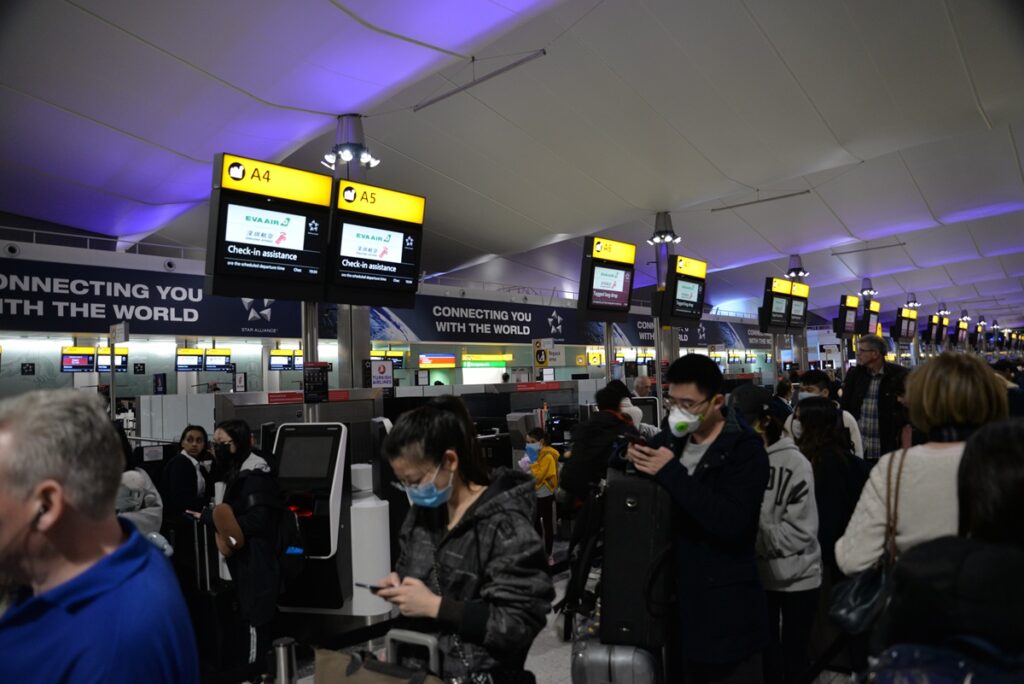
Travellers face long queues at European airports after cyberattack confirmed. Credit : Kollawat Somsri, Shutterstock
What many passengers suspected over the weekend ( September 20-21) has now been confirmed: the airport disruption that caused hours of queues and missed flights in cities including London, Berlin and Brussels was the result of a cyberattack.
The European Union Agency for Cybersecurity (ENISA) said on Monday, september 22, that investigators had identified the ransomware used in the attack and that law enforcement is already involved. “This was not a glitch,” the agency made clear. “It was a targeted cyber incident.”
Check-in systems paralysed
The problems began when Collins Aerospace, a US company that supplies the MUSE check-in and boarding system, was hit. Airports relying on the software suddenly found themselves unable to process passengers normally.
Staff were forced to fall back on manual procedures, but with thousands of travellers trying to check in, the delays were inevitable.
In Berlin, the timing couldn’t have been worse. The city was hosting its marathon, bringing nearly 92,000 passengers through the airport on Sunday alone. By Monday, queues were still snaking through the terminal, despite calls from airport staff for travellers to check in online whenever possible.
London airports also reported long waits on Saturday and Sunday, though backup systems helped ease the pressure by Monday morning. Brussels Airport admitted that passengers were still facing extended delays well into the new week.
Officials: a deliberate attack
According to ENISA, the type of ransomware has already been identified, though officials have declined to release its name while investigations continue. What they have stressed is that this was a deliberate attack on critical systems, not an accident.
Collins Aerospace, which is part of the US defence and technology group RTX, said it is working “around the clock” to restore normal operations and is in the final stages of updating the affected software. The company added that it was in “close contact” with both airports and airlines to ensure passengers are processed as smoothly as possible.
A wider warning for air travel
This latest incident underlines a growing concern for aviation: airports are prime targets for hackers. With everything from boarding passes to baggage handling now managed digitally, a single weak point can cause chaos across entire countries.
Cybersecurity specialists warn that ransomware groups have become increasingly bold, knowing that airlines and airports cannot afford extended downtime. Every hour of disruption means missed connections, diverted flights and millions in financial losses.
For passengers, though, it’s the immediate stress that lingers. One traveller waiting in Berlin summed it up: “We plan everything down to the minute when we fly, and then something like this happens. You’re just stuck, and nobody can tell you when it will be fixed.”
What travellers can expect after the airport cyberattack
The investigation will now focus on who carried out the attack and how they gained access. Authorities across Europe are under pressure to respond quickly and tighten defences, with ENISA describing the incident as a ‘wake-up call’ for the industry.
While most airports are now close to resuming normal service, officials have warned of potential knock-on effects in the coming days as airlines clear backlogs. Passengers are being advised to arrive early, complete online check-in where possible, and allow extra time at security.
The confirmation that this was indeed a cyberattack has brought little comfort to the thousands who spent their weekend in queues. But it has made one thing clear: air travel’s dependence on digital systems has become a major vulnerability – one that cybercriminals are keen to exploit.
Stay tuned with Euro Weekly News for more news about Travel
Sign up for personalised news
Subscribe to our Euro Weekly News alerts to get the latest stories into your inbox!
By signing up, you will create a Euro Weekly News account if you don't already have one. Review our Privacy Policy for more information about our privacy practices.


Farah Mokrani
Farah is a journalist and content writer with over a decade of experience in both digital and print media. Originally from Tunisia and now based in Spain, she has covered current affairs, investigative reports, and long-form features for a range of international publications. At Euro Weekly News, Farah brings a global perspective to her reporting, contributing news and analysis informed by her editorial background and passion for clear, accurate storytelling.
Comments
Ordinary Joe
23 September 2025 • 11:31We now have a whole catalog of Ruski provocative activities. From old uninsured tankers damaging fiber optic communication cables in EU waters and threatening oil spills, to overflights of military aircraft and drones.
It’s about time for the EU to up it’s own wargame by denial of air and sea transport thru European Union territory and squeezing the Koningsberg Pocket, which the Russians seized and call ‘kaliningrad’!
Comments are closed.