Germans could face wage cuts for taking sick days under new proposals
By Molly Grace • Published: 14 Apr 2026 • 19:42 • 3 minutes read
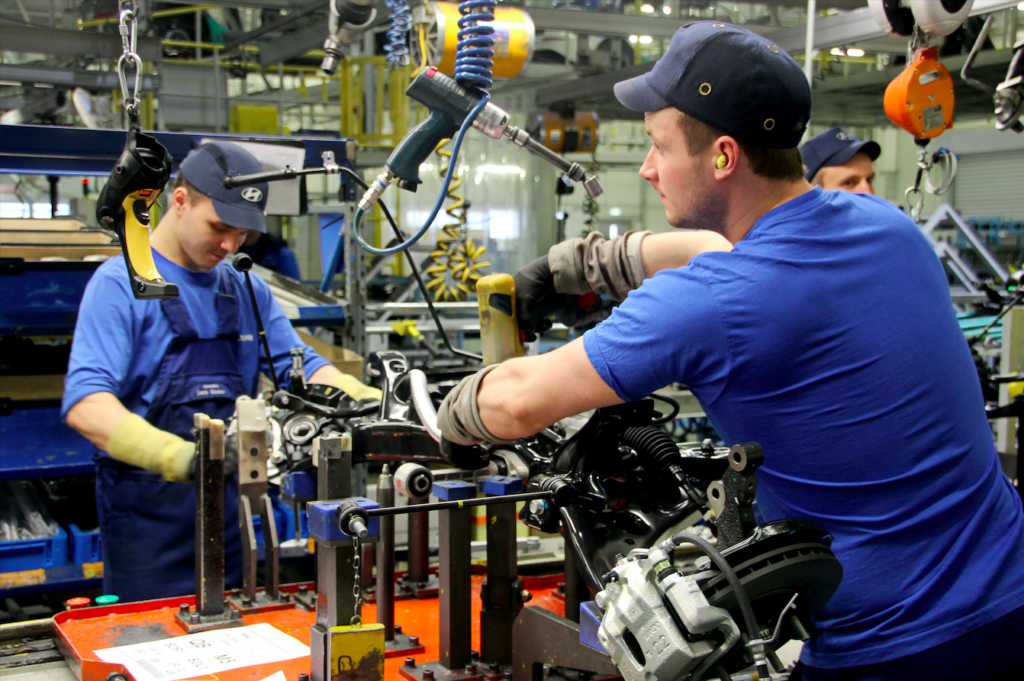
Germany has long offered stronger income protection during illness than many other countries. Photo credits: Alexander Gafarro/Shutterstock
German workers could face having wages reduced for taking sick days under proposals being discussed by political leaders and business groups, according to reports in the German and international press. No national law has been passed, and no formal legislation has yet been introduced, but the debate has focused on whether current rules are too costly for employers and the wider economy.
The discussion follows renewed attention on sickness absence in Germany, where employees took an average of 14.8 sick days per year, one of the higher recorded rates in Europe according to figures cited in recent reports. Supporters of reform argue that long absences and short-term sickness leave create pressure for businesses already dealing with weak economic growth and labour shortages. Germany has long offered stronger income protection during illness than many other countries. In most cases, employees who are unable to work due to sickness continue to receive their full salary from their employer for up to six weeks. If illness continues beyond that period, statutory health insurers can then provide sickness benefit under separate rules.
First-Day Pay Changes Reportedly Under Consideration
One proposal reported in the media would allow employers to cut or remove pay from the first day of sickness absence in some cases. Another reported idea would reward workers with low absence records through an additional day of annual leave. Neither measure has been approved, and ministers have not announced a final policy.
The proposals have been linked to Chancellor Friedrich Merz and members of the governing coalition, although details remain unclear. Reports suggest the aim would be to discourage workers from taking time off for minor illnesses while maintaining support for more serious medical conditions. No draft legislation has been published at federal level. Any legal change would require formal government backing and would likely face scrutiny from parliament, employers’ organisations, unions and legal experts. Germany’s labour protections are well established, meaning changes to sickness pay would almost certainly prompt significant public and political debate before becoming law.
Existing Rules Already Allow Some Employer Controls
Current German rules already require employees to notify employers when they are unable to work through illness. Employers may also request medical proof of incapacity from the first day of absence, although many workplaces ask for it later. In practice, requirements can vary depending on contracts, company policy and collective agreements. That means businesses already have some tools to monitor absence without changing the wider pay system. Critics of the new proposals argue that enforcement of existing rules should be considered before reducing wages for genuine sickness. They also warn that many illnesses cannot be judged by appearance alone and that employees may feel pressured to work when they should be recovering.
Health specialists have long warned that presenteeism, where people attend work while ill, can reduce productivity and spread infection in offices, factories and public-facing workplaces. Opponents of wage cuts say financial penalties could increase that risk, particularly during winter periods when respiratory illnesses are more common. Wider Economic Pressures Behind the Debate The discussion comes at a time when Germany is under pressure to improve economic performance after a period of weak growth. Employers in several sectors have complained about costs, staffing shortages and declining competitiveness. Some business figures say lower absence rates would help output and ease pressure on remaining staff.
Trade unions and employee groups are expected to resist any attempt to reduce earnings during illness. They are likely to argue that workers should not bear the cost of economic problems through lower pay when they are unwell. Labour representatives have also previously said trust between employers and staff could be damaged by policies built around suspicion of abuse. For now, the issue remains a political discussion rather than a confirmed legal reform. German workers have not lost existing sick pay rights, and no nationwide wage deduction for taking a sick day has been enacted. Whether the proposals develop into legislation will depend on decisions still to be taken in Berlin.
Sign up for personalised news
Subscribe to our Euro Weekly News alerts to get the latest stories into your inbox!
By signing up, you will create a Euro Weekly News account if you don't already have one. Review our Privacy Policy for more information about our privacy practices.





Molly Grace
Molly is a British journalist and author who has lived in Spain for over 25 years. With a background in animal welfare, equestrian science, and veterinary nursing, she brings curiosity, humour, and a sharp investigative eye to her work. At Euro Weekly News, Molly explores the intersections of nature, culture, and community - drawing on her deep local knowledge and passion for stories that reflect life in Spain from the ground up.
Comments