Spain’s cheapest regions for expats & remote workers
By Molly Grace • Updated: 13 Oct 2025 • 20:45 • 3 minutes read
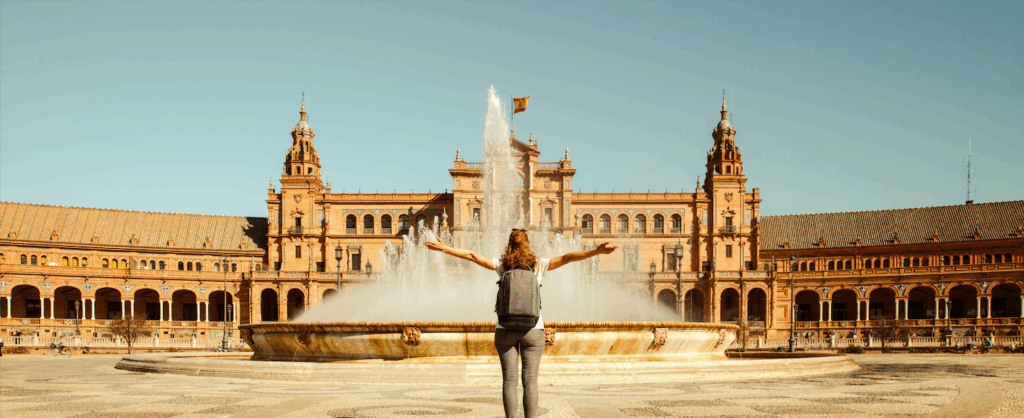
Inland towns and smaller cities offer rents as low as €4–6 per square metre. Photo credit: margouillat photo/Shutterstock
As Spain’s major cities become increasingly expensive, remote workers and expatriates are seeking more affordable alternatives. Smaller towns and inland regions offer the Mediterranean lifestyle without the high costs associated with cities like Madrid, Barcelona, or Málaga. From the high mountain peaks of Granada to the historic whitewashed villages of Cádiz, a quieter side of Spain is attracting those who desire a slower pace of life and lower living expenses.
The Rise of Affordable Alternatives
Smaller towns are attracting global residents
In recent years, towns such as Baeza and Linares in Jaén, Trebujena and Arcos de la Frontera in Cadiz, Puertollano in Ciudad Real, and Valdepeñas in Castilla-La Mancha have become popular among expatriates seeking lower rents and a more relaxed lifestyle. Rent in these towns often ranges from €300 to €400 per month for a comfortable 70 m² apartment, significantly below city rates.
These towns, historically reliant on agriculture and local commerce, are increasingly benefiting from new residents who bring remote jobs and international perspectives. Unlike tourist-heavy coastal locations, inland towns offer stable rental markets and the opportunity for long-term residency without facing intense competition.
Cities That Combine Value and Vibrancy
Affordable living without sacrificing quality of life
For those who prefer urban amenities, smaller cities such as Ávila, Ourense, and Cáceres provide a blend of affordability and lifestyle. One-bedroom apartments in city centres often cost under €600 per month, making these locations appealing for digital nomads and expatriates.
These cities also offer reliable internet and co-working spaces, essential for remote work. While entertainment and nightlife options are more limited than in major cities, cultural activities, local markets, and community events contribute to a rich, immersive experience.
The Interior Advantage
Why living inland stretches your budget further
Regions such as Extremadura, Castilla y León, and Castilla-La Mancha consistently rank among the lowest in Spain for living costs. Towns like Trujillo, Zamora, and Ciudad Real allow residents to live comfortably on less than €1,200 per month, covering rent, food, and transport.
Andalucian inland villages provide both scenic beauty and sunshine, with rents substantially lower than nearby coastal towns. Northern towns, meanwhile, offer cooler climates, lush landscapes, and quieter communities. Both inland and northern options provide excellent value, demonstrating that affordability does not necessarily mean compromising on lifestyle.
What to Consider Before Moving
Weighing affordability against lifestyle and access
While cheaper regions offer lower rents, there are trade-offs. Internet quality, healthcare access, and international schools may be more limited in smaller towns. Public transport can be sparse, making car ownership almost essential.
Despite these limitations, many expatriates find the benefits outweigh the challenges. Lower costs, reduced stress, welcoming communities, and stronger integration into local culture are compelling reasons to relocate. Spain’s Digital Nomad Visa also supports long-term stays, further encouraging the shift to these more affordable regions.
Key Points
- Inland towns and smaller cities offer rents as low as €4–6 per square metre.
- Regions with notable affordability include Jaén, Cádiz, Castilla-La Mancha, Galicia, and Extremadura.
- Remote workers and expatriates increasingly prioritise affordability, space, and quality of life over proximity to major cities.
- Average monthly living costs in these areas are often under €1,200, including rent, utilities, and food.
A Shift in the Expat Map
The new geography of affordable living in Spain
The pandemic and rise of remote work have transformed Spain’s housing map. While major cities like Madrid and Barcelona remain popular, smaller inland towns and cities are increasingly attractive for those seeking financial flexibility and a slower pace of life.
Nicole a British remote worker in Ourense commented: “I realised I could either pay half my income for a small city flat or live twice as well somewhere peaceful, with sunshine, good food, and reliable Wi-Fi.” Stories like this illustrate why inland towns are drawing both long-term expatriates and short-term remote workers. Affordable living does not mean sacrificing culture or comfort. Many towns offer local festivals, markets, and community activities that provide a strong sense of place. Residents also benefit from reduced stress, larger homes, and closer connections to nature.
Spain’s most affordable regions are proving that a lower cost of living can coincide with a high quality of life, making them ideal for expats and digital nomads seeking a sustainable lifestyle.
Follow Euro Weekly News on Google News
Get breaking news from Spain, travel updates, and expat stories directly on your Google News feed.
Follow on Google NewsSign up for personalised news
Subscribe to our Euro Weekly News alerts to get the latest stories into your inbox!
By signing up, you will create a Euro Weekly News account if you don't already have one. Review our Privacy Policy for more information about our privacy practices.



Molly Grace
Molly is a British journalist and author who has lived in Spain for over 25 years. With a background in animal welfare, equestrian science, and veterinary nursing, she brings curiosity, humour, and a sharp investigative eye to her work. At Euro Weekly News, Molly explores the intersections of nature, culture, and community - drawing on her deep local knowledge and passion for stories that reflect life in Spain from the ground up.
Comments