Feijóo plans stricter residency: ”It must be earned”
By Molly Grace • Published: 14 Oct 2025 • 14:49 • 3 minutes read
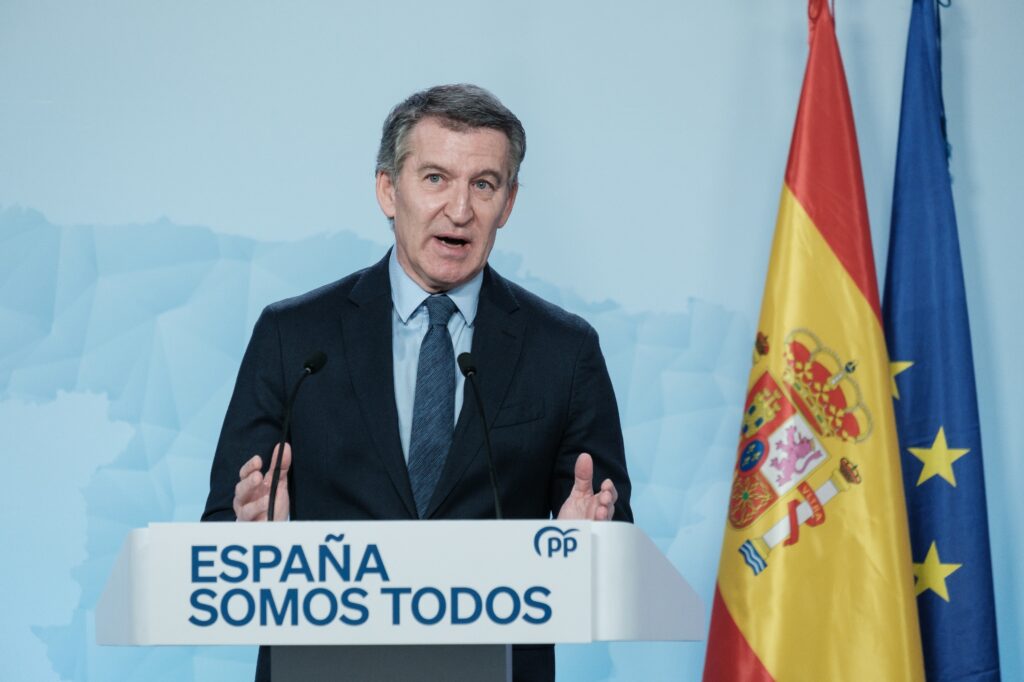
The plan proposes raising Spanish language requirements from A2 to B2. Photo credit: OSCAR GONZALEZ FUENTES/Shutterstock
Alberto Núñez Feijóo, leader of Spain’s Partido Popular (People’s Party), has introduced a plan to significantly tighten residency and nationality rules in Spain. Speaking in Barcelona, he declared that “Spanish nationality is not a gift; it is earned,” underlining that immigrants should demonstrate genuine integration into Spanish society. The proposals focus on prioritising immigrants who contribute economically, comply with Spanish laws, and actively participate in the community.
Feijóo argued that the current system is too lenient and may allow nationality or long-term residency without sufficient demonstration of commitment to Spanish society. For expats living in Spain, these changes could have a direct impact on long-term residency, naturalisation, and access to certain benefits. Understanding the proposed reforms is therefore essential for anyone planning to apply for citizenship or extend their stay in the country.
Key Proposals in Feijóo’s Immigration Plan
Enhanced Nationality Requirements
The plan proposes raising the Spanish language requirement from A2 to B2 and introducing a more rigorous examination covering Spain’s legal framework, history, and cultural knowledge. Citizenship would no longer be a purely administrative process; instead, it would reward immigrants who show true integration and understanding of the country.
Employment-Based Residency
Residency would be increasingly tied to employment rather than simply the length of stay. Immigrants who actively work and contribute economically would be prioritised, while those without formal employment might face additional hurdles to secure long-term residence.
Revised Asylum and Residency Policies
Feijóo seeks to reform the “arraigo” (rootedness) system and asylum pathways so that they become exceptional routes rather than standard channels to legal residency. Nationals from safe countries may no longer qualify under these processes, making it more selective and focused on integration.
Creation of a Unified Immigration Authority
Currently, responsibilities are scattered across multiple ministries. The proposal includes establishing a single national agency to centralise immigration management, streamline procedures, and improve efficiency for applicants.
Increased Border Control and Anti-Trafficking Measures
Border security would be strengthened with additional police forces and specialised training to tackle human trafficking. Evidence collection would also be improved, including in international waters, as part of a wider effort to ensure safe and legal migration.
Implications for Expats
What residents should consider
For expatriates living in Spain, the reforms could affect several aspects of daily life:
- Higher language and cultural requirements for citizenship applications.
- Greater emphasis on legal employment for long-term residency.
- Stricter rules for asylum and exceptional regularisation pathways.
- Centralised immigration management, potentially improving clarity but increasing scrutiny.
- Stronger border and security controls affecting new arrivals.
Those planning to apply for nationality or long-term residence should consider preparing for language and cultural tests, ensuring that employment and tax contributions are fully documented, and remaining up to date with residency rules.
Centralised Management and Efficiency
Streamlined procedures for all residents
The proposed Unified Immigration Authority would centralise responsibilities currently split across several government departments. For expats, this could mean clearer procedures, faster processing times, and more predictable outcomes. At the same time, centralisation may involve stricter assessments to ensure applicants meet the new, higher requirements.
Integration and Security
A structured approach to legal migration
Feijóo’s plan emphasises integration and economic contribution. Long-term residency and nationality would reward immigrants who work, pay taxes, and respect Spanish laws. Strengthened border security and anti-trafficking measures are designed to maintain legal, orderly migration.
For expats, this signals that compliance with labour, tax, and residency regulations will become even more critical. Demonstrating integration and contribution will likely become a central requirement for nationality or permanent residence.
A shift towards merit-based immigration
Feijóo’s immigration plan represents a significant shift towards a merit-based, employment-focused system. By tying residency and nationality to integration, legal employment, and active societal contribution, Spain seeks a more orderly, controlled migration approach.
For foreign residents, understanding these changes and preparing accordingly will be essential. While the proposals aim to enhance social cohesion and economic contribution, they will also increase responsibilities and requirements for expats. Preparing early, investing in language skills, and maintaining clear employment and tax records will be vital for those looking to secure a stable and long-term future in Spain.
Sign up for personalised news
Subscribe to our Euro Weekly News alerts to get the latest stories into your inbox!
By signing up, you will create a Euro Weekly News account if you don't already have one. Review our Privacy Policy for more information about our privacy practices.





Molly Grace
Molly is a British journalist and author who has lived in Spain for over 25 years. With a background in animal welfare, equestrian science, and veterinary nursing, she brings curiosity, humour, and a sharp investigative eye to her work. At Euro Weekly News, Molly explores the intersections of nature, culture, and community - drawing on her deep local knowledge and passion for stories that reflect life in Spain from the ground up.
Comments
Elke
14 October 2025 • 19:24The EU freedom of movement law does not require commitment to or integration into any society, nor sufficient language skills. As a EU citizen you may work, study or retire in Spain, and if you choose the latter, you need health insurance and sufficient funds to legally reside in the country. After five years you are eligible for permanent residency even if you can only say una cerveza por favor. Becoming a Spanish citizen is a whole other thing, of course, and the atakea should be high. But imagine every EU country imposed requirements like the ones Señor Feijóo is dreaming of: It would set off a migration of peoples who can’t or won’t comply to these exclusionary rules.
Philip
15 October 2025 • 11:14Good, valid points. Many countries within the EU are not above modifying or interpreting EU rules in their own way.
mickey
15 October 2025 • 14:38A system which requires someone to be employed or employable, meet the legal requirements of a country, support themselves, and pay any appropriate taxes is in no way exclusionary, it is completely rational and protective of a countries rights.
Grunmpy
15 October 2025 • 09:37Bet half of the Spanish persons could not pass the knowledge test
Mike Giles
15 October 2025 • 12:09You mean like 75% of UK Resident Brits not being able to meet the new proposed ‘A’ Level standards to remain in their own country?
Comments are closed.