First in the EU: Spain begins public funding for 2-month HIV prevention injection
By Dora Urbancsek • Published: 15 Apr 2026 • 18:28 • 3 minutes read
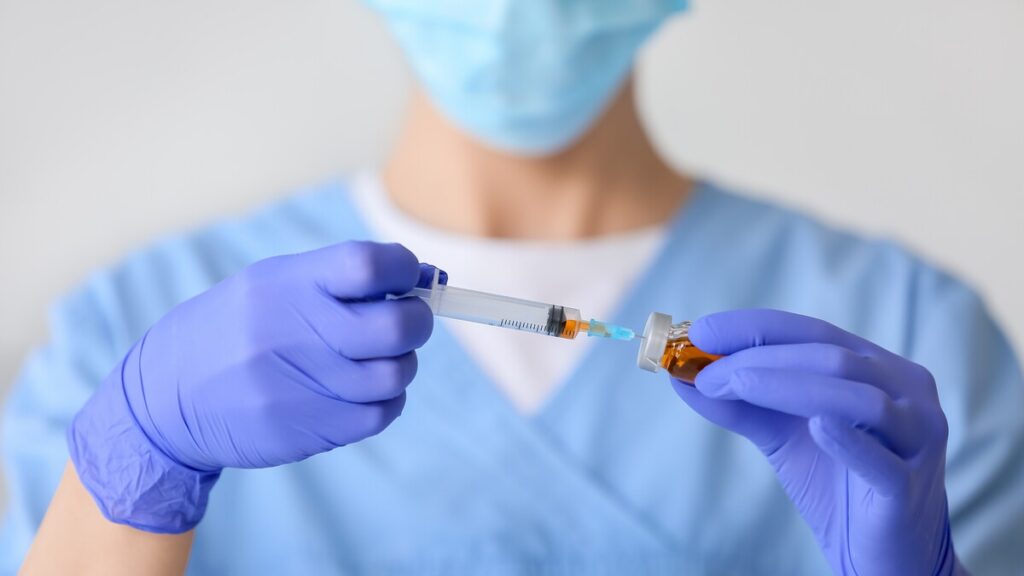
Spain is rolling out a long-acting HIV prevention injection through its public healthcare system Credit: Shutterstock/Pixel-Shot
Spain has officially become the first European Union nation to provide full public funding for Apretude, a long-acting injectable HIV prevention treatment administered just once every two months. As of April 2026, the Spanish National Health System (SNS) has incorporated the drug into its portfolio, offering an alternative to the daily oral PrEP pill for high-risk individuals. Clinical trials show the injection is over 99% effective, outperforming daily tablets by removing the risk of missed doses.
While oral PrEP remains available, health authorities expect this shift to specialized hospital clinics to drastically reduce new infections and save the state €46 million by 2029 through improved adherence and reduced long-term care costs.
A different approach to HIV prevention
Unlike traditional pre-exposure prophylaxis (PrEP), which requires taking a daily tablet, the new injectable treatment is administered once every two months by a healthcare professional.
The medication works by maintaining protective drug levels in the body over time, reducing the risk of HIV infection for people considered at higher risk. Clinical studies have shown that long-acting injectable PrEP can be more effective than daily pills, largely because it removes the challenge of adherence. Health authorities in Spain have positioned the rollout as part of a wider strategy to reduce new HIV infections and modernise prevention tools within the public system.
What this means in practice across Spain
Although the funding decision has been confirmed at national level, access will depend on how each autonomous community implements the programme. In practical terms, this means the injection will not appear overnight in every health centre. Instead, specialised clinics and hospital units are expected to begin offering it first, particularly in larger cities where HIV prevention services are already established. For patients, this creates a transition period where both options, daily pills and injectable treatment, will likely coexist.
Why Spain is ahead of other EU countries
Spain’s decision places it ahead of most European countries, where access to long-acting PrEP is still limited or not publicly funded. By incorporating the treatment into its national health system, Spain is effectively lowering the barrier to access, which has traditionally been linked to cost or availability through private channels. This move reflects a broader trend in Spanish healthcare policy, where prevention is increasingly prioritised alongside treatment, particularly in areas with clear long-term public health impact.
Questions about the HIV prevention injection in Spain
When will patients actually be able to receive it?
Availability will begin progressively during 2026, but access will depend on regional health services. Major cities and specialised HIV clinics are expected to roll it out first, with wider availability following as infrastructure expands.
Who is eligible for the injectable treatment?
The injection is intended for people at higher risk of HIV exposure. This typically includes individuals already eligible for PrEP under existing guidelines, although final criteria may vary slightly by region.
Do you need to stop taking daily PrEP before switching?
In most cases, patients will transition under medical supervision. Doctors will assess whether switching is appropriate and manage the timing to ensure continuous protection during the change.
Is the injection completely replacing daily pills?
No. Daily oral PrEP will remain available. The injectable option is being introduced as an alternative, giving patients more flexibility depending on their lifestyle and preferences.
A shift with long-term implications
The introduction of injectable HIV prevention is not just a medical update. It represents a structural change in how prevention is delivered, moving from daily responsibility to periodic clinical care.
For those living in Spain, including expats navigating the healthcare system, the development highlights how access to advanced treatments can vary significantly between countries, and how quickly those differences can change. The treatment must be given by a healthcare professional, usually in a hospital or specialised clinic setting. It is not a self-administered injection.
Sign up for personalised news
Subscribe to our Euro Weekly News alerts to get the latest stories into your inbox!
By signing up, you will create a Euro Weekly News account if you don't already have one. Review our Privacy Policy for more information about our privacy practices.





Dora Urbancsek
Dora Urbancsek is an SEO writer with over eight years of experience producing high-quality, search-optimised journalism and digital content. Based in Spain for more than five years, she covers a wide range of topics concerning Spain and Europe, including current affairs, community stories, culture, and lifestyle. Dora is known for accurate, well-researched reporting that keeps readers informed and engaged.
Comments