UK & Spain’s pet crisis: Love can’t pay the bills
By Molly Grace • Published: 02 Nov 2025 • 20:21 • 3 minutes read
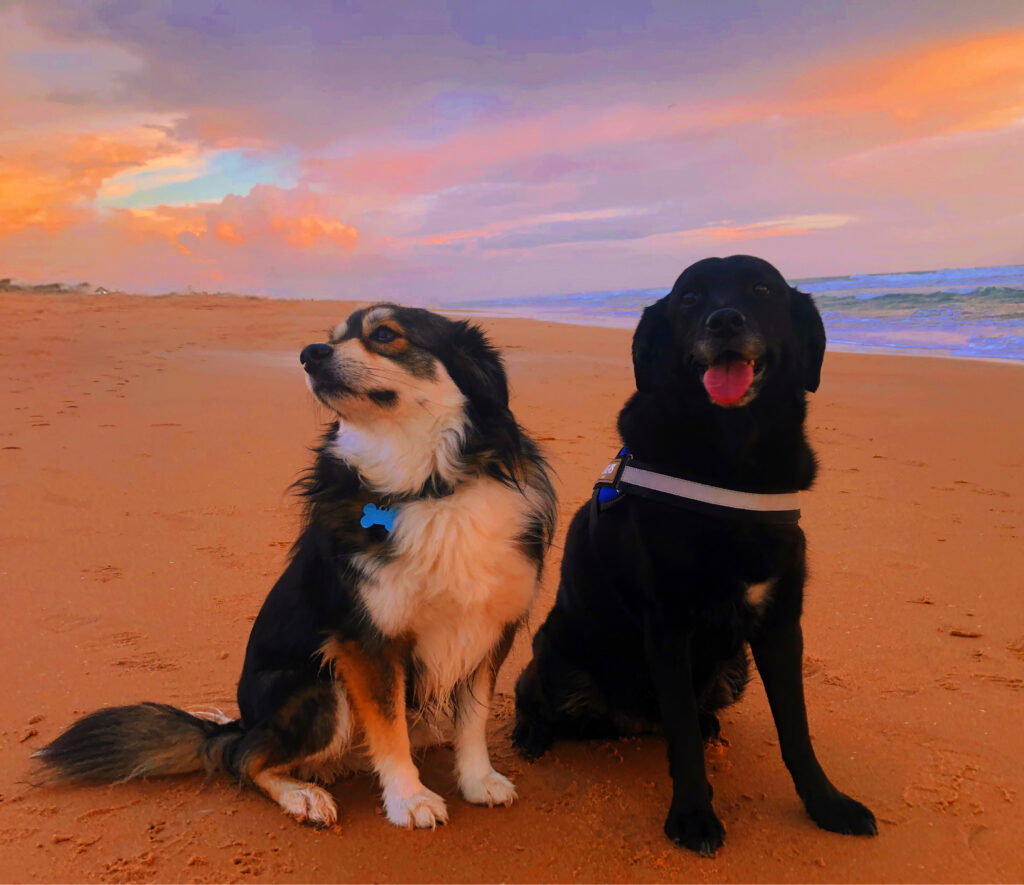
Pet ownership has become more expensive than many anticipated. Photo credit: Molly Grace
Animal charities across England are warning of a sharp rise in the number of pets being abandoned as the cost of living continues to squeeze households. The RSPCA recorded more than 22,000 cases of pet abandonment in the past year, a record figure, and rescue centres report that many are now operating at or beyond capacity.
At the heart of this increase are the soaring costs of pet food and veterinary care. According to welfare organisations, many common pet food products have risen in price by 25–40% since 2021, while vet bills are almost 50% higher on average than in 2020. Even routine treatments, such as flea prevention, vaccinations and dental check-ups, have seen significant increases. For many households, these repeated monthly and annual costs have become difficult to manage especially as the average salary remains the same as prices rise.
The Pandemic Pet Boom Meets Reality
Unprepared owners face long-term costs
During the COVID-19 pandemic, around 3 million new pets were acquired across the UK. Pets offered emotional support and companionship during lockdown, but many of these new owners were inexperienced and underestimated the ongoing cost of care.
As inflation rose, everyday pet ownership expenses increased faster than wages. A 30kg bag of dry dog food that once cost £30 can now be £45–£70. A basic veterinary consultation may now exceed £70 before any treatment or medication is added. For families balancing rising rent, fuel costs and energy bills, a sudden vet bill of several hundred pounds can become unmanageable.
This financial strain has resulted in more animals being surrendered to shelters or, in the worst cases, abandoned without support.
A Spanish Comparison
Similar pressures, different cultural patterns
Spain faces similar challenges, although the causes can vary. According to Fundación Affinity, Spanish shelters take in around 285,000–300,000 dogs and cats each year. Costs of pet care have also risen sharply: average annual spending per pet in Spain now sits at around €1,200, covering basic food, insurance, grooming and veterinary treatment.
However, Spain also sees culturally driven abandonment patterns. The post-hunting season leads to thousands of galgos and other working dogs being abandoned each year, a trend that does not have a direct parallel in England.
Despite this, both countries share a central issue: pet ownership has become more expensive than many anticipated, and shelters in both nations are operating under increasing pressure.
Charities and Services Under Strain
Fire services now rescuing more animals
In England, fire brigade statistics show a notable rise in animal rescue call-outs, including domestic pets left in unsafe conditions or stuck in dangerous environments. This highlights that animals are not only being surrendered formally, some are being abandoned in situations where they require emergency intervention.
Shelters report waiting lists for rehoming, staff fatigue, and heavy reliance on volunteer foster carers. Many charities say they are now working at their breaking point.
Highlights
- Inflation has caused Pet food prices and veterinary bills to rise sharply, placing financial pressure on households.
- The RSPCA recorded over 22,000 abandonment cases in England last year.
- Many animals acquired during the pandemic pet boom are now reaching adulthood and incurring higher care costs.
- In Spain, around 300,000 pets are abandoned annually, due to economic strain and seasonal hunting-related abandonment.
- Charities in both countries report overcapacity and increased demand for rehoming services.
A need for education, support and responsible ownership
Both England and Spain highlight the importance of public education on the true cost of pet ownership, including food, veterinary care and long-term treatment needs. Affordable neutering, microchipping initiatives, and clearer guidance at point of adoption could help reduce future abandonment.
From my perspective as an animal welfare and behaviour specialist, education is one of the most effective interventions we have. Many owners do not intentionally neglect their animals, they simply are not aware of the lifetime financial commitment involved such as special diets, costly pet food and veterinary care, no one plans on an animal getting ill, but unfortunately it does happen. Providing clear cost expectations, behavioural advice nutritional advice and support networks ensures owners can make informed and sustainable decisions.
However, education alone cannot offset the impact of rapidly rising prices. This is where I believe government support should be considered. Not to replace personal responsibility, but to reinforce it. Subsidised neutering schemes, regulation on veterinary pricing transparency, and emergency financial support for essential treatments could prevent many cases of avoidable surrender.
Ultimately, tackling the abandonment crisis requires shared responsibility between owners, charities, veterinary professionals and policymakers. With compassion, education and structured support, fewer animals will be left vulnerable when households face financial pressure.
Follow Euro Weekly News on Google News
Get breaking news from Spain, travel updates, and expat stories directly on your Google News feed.
Follow on Google NewsSign up for personalised news
Subscribe to our Euro Weekly News alerts to get the latest stories into your inbox!
By signing up, you will create a Euro Weekly News account if you don't already have one. Review our Privacy Policy for more information about our privacy practices.





Molly Grace
Molly is a British journalist and author who has lived in Spain for over 25 years. With a background in animal welfare, equestrian science, and veterinary nursing, she brings curiosity, humour, and a sharp investigative eye to her work. At Euro Weekly News, Molly explores the intersections of nature, culture, and community - drawing on her deep local knowledge and passion for stories that reflect life in Spain from the ground up.
Comments
Mark
03 November 2025 • 09:54Sadly people who are drawn to pets do not realise the long term commitments they would be taking on if they become
pet owners. Pet shops should consider questioning potential owners, pointing out the hard work and expense required to keep pets in good health in a happy home.
Brian
03 November 2025 • 16:29Know this well having owned 5 Rhodesian Ridgebacks over the last 25 years (still got 2!) but living in “el campo” they are great protection as well as great company! Since changing to raw food (from a fantastic supplier in Inca!) vet visits have reduced considerably!
Anne
03 November 2025 • 23:02I love Ridgebacks! I had one called Ringo in actual Rhodesia. 🙂
Brian
04 November 2025 • 09:55I lived there for 7 years until it became Zim, fell for the breed there! All ours have Shona names.
Brian
06 November 2025 • 10:04Where are you now? We are in Mallorca
Comments are closed.