Experts warn: Spain faces severe flu after virus mutates
By Molly Grace • Updated: 10 Nov 2025 • 18:08 • 3 minutes read
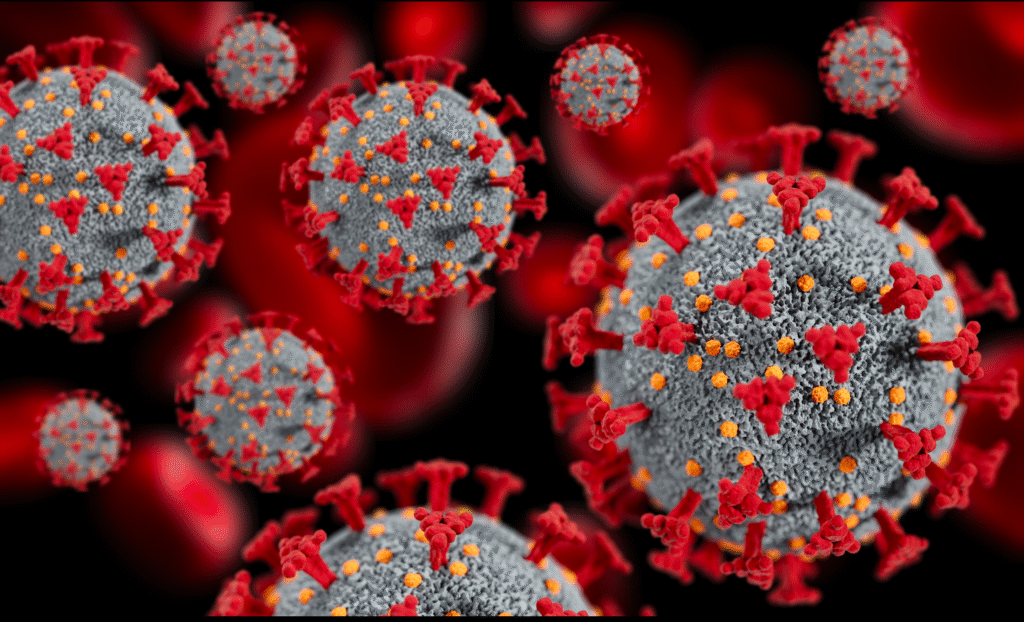
The mutation is being closely monitored through genetic sequencing and regional reporting systems. Photo credit: chama606/Shutterstock
Health authorities and epidemiologists in Spain have expressed concern over a newly identified mutation of the influenza virus, warning it could trigger the country’s “worst flu season in a decade.” While influenza typically peaks during winter, the mutation, first detected in late September 2025, appears to be more transmissible than previous strains, raising alarm among public health officials. The Spanish Ministry of Health has urged citizens, particularly high-risk groups, to take precautions and consider early vaccination. Hospitals and clinics have been advised to prepare for increased patient loads, particularly among vulnerable populations.
Understanding the Mutation
How the virus differs from previous strains
According to health experts, the new mutation carries alterations in the hemagglutinin and neuraminidase proteins, which may allow the virus to spread more efficiently between humans. Laboratory studies indicate that the mutation may partially evade the immune protection offered by last year’s vaccines. While most cases are expected to be mild, severe infections could increase in older adults, young children, and individuals with underlying health conditions such as asthma, diabetes, or cardiovascular disease.
The mutation is being closely monitored through genetic sequencing and regional reporting systems. Scientists are comparing its structure with previous seasonal strains to predict potential vaccine effectiveness. Early findings suggest that while immunity from prior infection may offer partial protection, vaccination remains strongly recommended.
Early Trends and Public Health Response
Rising cases and vaccination campaigns
Primary care centres across Spain have reported a notable uptick in influenza-like illness since late October, with some regions seeing almost double the patient numbers compared to the same period last year. Vaccination campaigns are being accelerated, with priority given to the elderly, healthcare workers, pregnant women, and individuals with chronic diseases. Pharmacies and hospitals are preparing for higher demand for antiviral medications, including oseltamivir, which may reduce the severity of infection if administered promptly.
Authorities are also urging employers to support remote work where possible and to allow flexible sick leave to prevent workplace transmission. Schools and universities are implementing hygiene measures and encouraging vaccination for staff and students.
International Context
Comparisons with neighbouring countries
Similar trends are being observed across Europe. The United Kingdom has reported increasing admissions for influenza, with the National Health Service (NHS) issuing guidance to encourage vaccination and reinforce hygiene measures. France, Germany, and Italy are also monitoring hospital admissions closely. Health agencies caution that international travel could facilitate faster spread, making vaccination and early symptom awareness critical for residents and visitors.
Spain’s public health authorities are in contact with the European Centre for Disease Prevention and Control (ECDC) to coordinate surveillance and response strategies. Early international reports indicate that vaccination campaigns in neighbouring countries may be updated to account for the mutated strain.
Symptoms, Prevention, and Public Guidance
Staying safe during flu season
The mutation’s symptoms mirror those of standard flu: fever, cough, sore throat, fatigue, and muscle aches. Public health authorities recommend routine measures including hand hygiene, mask-wearing in crowded spaces, and avoiding contact with sick individuals. Vaccination remains the primary preventive tool, and experts emphasise that even partially effective vaccines can reduce hospitalisations and severe outcomes.
Authorities also advise parents and caregivers to monitor children closely for signs of high fever or difficulty breathing and to seek medical attention if symptoms worsen.
Key Points:
- A new influenza mutation is causing concern in Spain, potentially leading to the worst flu season in a decade.
- The virus shows alterations that may increase transmissibility and partially reduce vaccine effectiveness.
- Early vaccination and antiviral treatment are recommended, particularly for high-risk populations.
- European countries are observing similar trends, highlighting the importance of coordinated public health response.
- Citizens are advised to practice hygiene measures, monitor symptoms, and seek medical attention if needed.
Monitoring, research, and preparedness
Scientists are conducting ongoing genetic surveillance of the virus to determine how the mutation behaves and whether additional vaccine updates will be necessary. Epidemiologists are also studying the effectiveness of current public health interventions to limit the strain on hospitals. While predictions remain uncertain, authorities stress that preparedness, vaccination, and early treatment are key to mitigating the impact of the upcoming influenza season.
Public health agencies continue to coordinate educational campaigns to raise awareness of preventive measures, and research teams are monitoring global data for trends in hospitalisation and severe cases. Collaboration between hospitals, laboratories, schools, and the general public will be essential to reduce the overall impact of the mutated virus and to prevent widespread disruption during the winter months.
Follow Euro Weekly News on Google News
Get breaking news from Spain, travel updates, and expat stories directly on your Google News feed.
Follow on Google NewsSign up for personalised news
Subscribe to our Euro Weekly News alerts to get the latest stories into your inbox!
By signing up, you will create a Euro Weekly News account if you don't already have one. Review our Privacy Policy for more information about our privacy practices.





Molly Grace
Molly is a British journalist and author who has lived in Spain for over 25 years. With a background in animal welfare, equestrian science, and veterinary nursing, she brings curiosity, humour, and a sharp investigative eye to her work. At Euro Weekly News, Molly explores the intersections of nature, culture, and community - drawing on her deep local knowledge and passion for stories that reflect life in Spain from the ground up.
Comments