Germany modernises Bundeswehr with volunteers
By Molly Grace • Published: 13 Nov 2025 • 21:26 • 3 minutes read
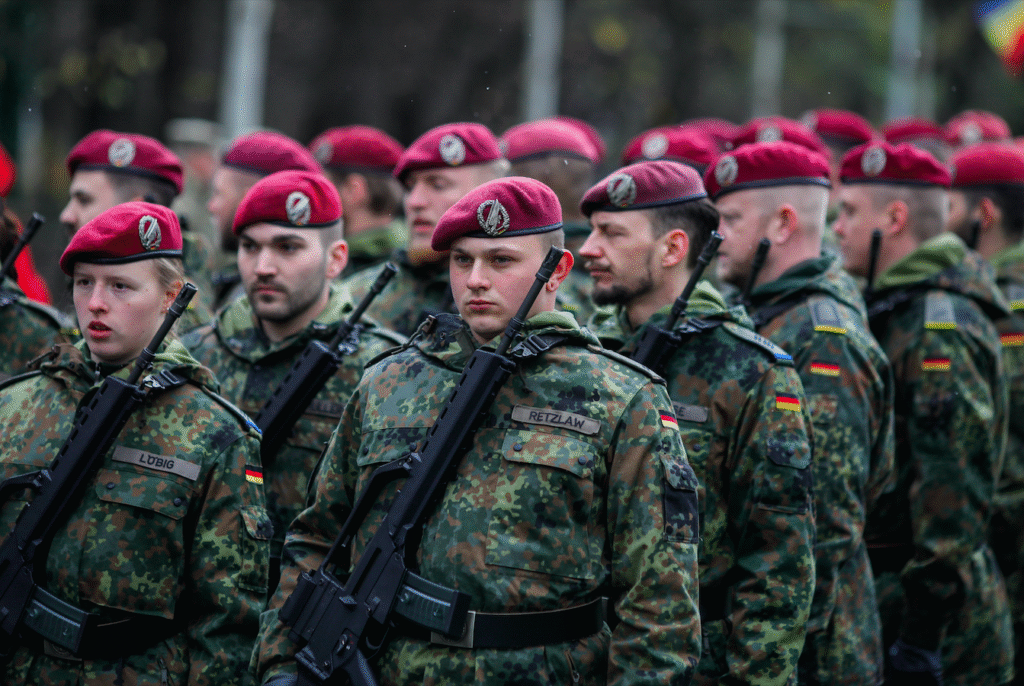
Young men born in 2008 will receive a questionnaire when they turn 18 asking about their willingness to serve and their qualifications. Photo credit: Mircea Moira/Shutterstock
Germany has decided to maintain a primarily voluntary military service system rather than fully reintroduce conscription, while simultaneously creating a fallback mechanism should recruitment fall short. The model, agreed by the coalition government, aims to bolster the Bundeswehr ahead of the 2026 implementation of a new draft law.
The plan was formally approved by the cabinet and proposes that all 18-year-old men born in 2008 or later will be asked to complete a mandatory registration process, including a questionnaire and medical screening. At the same time, women may volunteer but will not be obligated to register.
The law will only mandate conscription if the voluntary model fails to meet targets, requiring a separate parliamentary vote. Defence Minister Boris Pistorius confirmed that the fallback option remains but stressed that the priority will be on making military service attractive rather than compulsory.
Why Germany is making the change
Troop numbers and the evolving security landscape
Germany’s armed forces have struggled to meet recruitment goals in recent years. Under the new strategy, the government plans to raise active-duty personnel from about 182,000 currently to as many as 260,000 by the early 2030s, alongside a significantly expanded reserve force.
Security concerns, including Russia’s aggression and pressures within NATO, are driving the shift. The government believes a stronger, better-staffed Bundeswehr will serve both deterrent and operational roles in the changing European defence environment.
Still, the decision to avoid immediate conscription reflects political caution. Having suspended mandatory service in 2011, the government retains the legal basis for the draft but prefers to rely on recruitment incentives and a modern voluntary system with “conscription light” backup.
How the plan works in practice
From registration to service
Beginning in 2026, young men born in 2008 will receive a questionnaire when they turn 18 asking about their willingness to serve and their qualifications. Then, from 2027, mandatory medical examinations for men in this cohort are set to begin if the full law is passed.
In the meantime, service remains voluntary, and participants can choose to train for the Bundeswehr for a defined period. After completion, they may join the reserves. If voluntary recruitment fails, conscription could be triggered, but only after a separate decision by the Bundestag.
The government has announced improved conditions: higher pay for volunteers, upgraded training options, and benefits such as free driving licences to make service more appealing. The objective is both recruitment and retention.
Key points
- Germany maintains voluntary military service, with registration and screening of all 18-year-old men starting in 2026–27.
- If volunteer targets are not met, conscription may be reinstated, but only via separate parliamentary approval.
- The reform is part of a plan to boost troop numbers from approximately 182,000 to around 260,000 plus a larger reserve force.
- Enhanced incentives and improved conditions are central to making the voluntary system effective.
Implications and outlook
Balancing readiness and public support
Germany’s hybrid model reflects a balance between maintaining a strong defence posture and avoiding the political and social costs of full conscription. By keeping conscription as a backup rather than first choice, the government aims to motivate rather than compel service.
However, analysts warn that the plan depends heavily on meeting volunteer targets. Should enlistment lag, the fallback could prove politically difficult. The draft law itself has been criticised for lacking a clearly defined trigger for mandatory call-up.
If the reform succeeds, Germany may strengthen its role within NATO and improve its ability to respond to future security challenges. If it fails, the country could be forced to reintroduce compulsory service in a hasty or unpopular manner, risking low morale and recruitment problems. For now, the shift signals Germany’s acknowledgement that, in the post-Cold-War era, manpower is as critical as materiel. With volunteers at the centre of the strategy, but conscription on standby, Germany hopes to rebuild its military strength in a politically palatable way.
Follow Euro Weekly News on Google News
Get breaking news from Spain, travel updates, and expat stories directly on your Google News feed.
Follow on Google NewsSign up for personalised news
Subscribe to our Euro Weekly News alerts to get the latest stories into your inbox!
By signing up, you will create a Euro Weekly News account if you don't already have one. Review our Privacy Policy for more information about our privacy practices.





Molly Grace
Molly is a British journalist and author who has lived in Spain for over 25 years. With a background in animal welfare, equestrian science, and veterinary nursing, she brings curiosity, humour, and a sharp investigative eye to her work. At Euro Weekly News, Molly explores the intersections of nature, culture, and community - drawing on her deep local knowledge and passion for stories that reflect life in Spain from the ground up.
Comments