Germany is telling people to prepare for war and Europe is paying attention
By Farah Mokrani • Published: 20 May 2026 • 23:01 • 3 minutes read
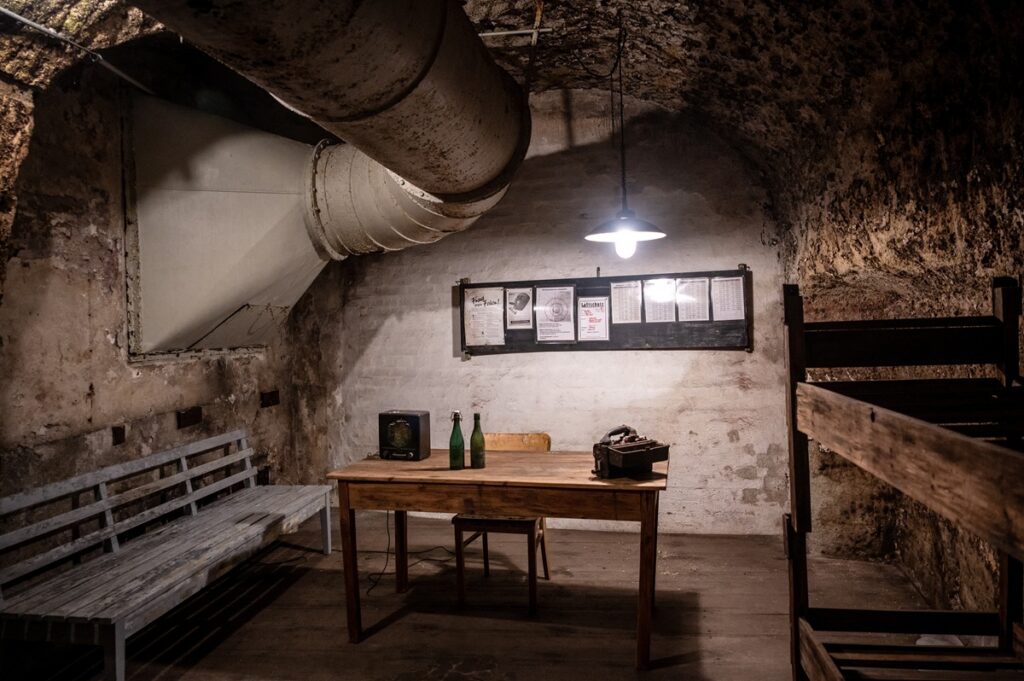
Germany is reportedly planning major investment in civil protection systems, including shelters and emergency preparedness infrastructure. Credit : Jess Kraft, Shutterstock
For years, most Europeans stopped thinking seriously about war. That was something from history books, old documentaries or distant conflicts happening somewhere else. Even after the Covid pandemic shook daily life across the continent, many people still believed Europe itself remained fundamentally stable and safe.
Now that feeling is starting to crack. Germany is reportedly preparing a huge new civil protection programme worth billions of euros, focused on emergency shelters, rescue systems, public alerts and civilian preparedness in case of major attacks or large scale disasters. And while the government insists the plan is precautionary, the tone of the conversation alone is making people uneasy.
Because suddenly officials are openly discussing bunkers again.
Emergency supplies.
Chemical attacks.
Nuclear response systems.
Things many Europeans honestly never expected to hear governments talking about so directly in 2026.
According to German media, the project has been nicknamed ‘Plan XL’ and could involve around €10 billion in investment. The plans reportedly include new emergency vehicles, rescue equipment, public shelter systems and digital tools helping citizens locate safe areas during crises.
The discussions come after years of growing geopolitical tension that have slowly changed Europe’s mood.
First came the war in Ukraine. Then growing instability in the Middle East. And now governments across NATO are increasingly speaking about defence and preparedness in ways that would have sounded excessive only a few years ago.
Germany appears to be among the countries taking the shift most seriously.
German emergency organisations say the country is not ready
Part of the pressure came from Germany’s own Red Cross. The organisation warned recently that the population is not adequately prepared for a national emergency and highlighted serious weaknesses in the country’s civil protection systems.
According to reports in Germany, concerns include shortages of shelters, limited medical reserves and a lack of trained emergency personnel able to respond quickly during major crises.
The recommendations that followed felt surprisingly personal. Households were encouraged to keep basic emergency supplies at home, including bottled water, non perishable food and hygiene products.
For some people, that advice sounded sensible. For others, it felt genuinely disturbing because it suddenly made abstract geopolitical tensions feel much closer to ordinary daily life.
Especially in Germany, where memories linked to war, division and Cold War anxiety still carry enormous historical weight.
The psychological shift is probably what stands out most.
A few years ago, emergency preparedness discussions mainly focused on floods, pandemics or climate disasters. Now the language increasingly includes military threats and attacks involving chemical, biological or nuclear materials.
And people are noticing the difference.
The government reportedly wants apps, shelter maps and rescue beds
According to German newspaper Bild, the proposed Plan XL includes far more than simple infrastructure spending.
Reports suggest the government wants to modernise warning systems and create digital tools allowing people to locate nearby shelters quickly in an emergency. Those shelters could include underground car parks, tunnels, reinforced basements and older bunker structures.
One reported idea involves an app showing citizens the fastest route to safety based on their location.
The government is also reportedly planning to purchase around 1,000 specialised emergency vehicles and more than 100,000 rescue beds over the coming years. And the plans may eventually extend into schools too.
German media reported that authorities are considering expanding civil defence education so younger generations understand basic emergency response procedures and self protection measures.
For older Europeans, some of these conversations sound strangely familiar. For younger people, however, the entire atmosphere feels new.
Many grew up believing Europe had moved permanently beyond the kind of instability associated with previous generations. Seeing governments now discuss shelters and emergency response systems so openly creates a very different emotional climate.
Especially because these discussions are no longer happening quietly behind closed doors. They are becoming public.
Europe is starting to think differently about security
Germany is not the only country reviewing emergency preparedness, but its plans are attracting particular attention because of their scale and symbolism.
Across Europe, governments are rethinking how prepared civilian infrastructure really is if major disruption suddenly happens.
Not only military disruption, cyberattacks too, energy crises, large scale infrastructure failures, supply chain problems.
The pandemic already exposed how fragile many systems could become under pressure. The war in Ukraine pushed those fears further by forcing governments to confront security issues many had largely ignored for decades.
Now civil protection is becoming part of mainstream political discussions again. And for many Europeans, that alone feels like a huge cultural shift.
German officials continue insisting there is no immediate reason for panic and that the goal is preparation rather than alarm. But the reality is that public conversations around security in Europe no longer sound the same as they did even three or four years ago.
That change is becoming harder and harder to miss. Especially when one of Europe’s largest countries starts preparing civilians for worst case scenarios openly and publicly. Whether people agree with the plans or not, one thing is obvious.
The sense of stability many Europeans once took for granted no longer feels quite as solid as it used to.
Follow Euro Weekly News on Google News
Get breaking news from Spain, travel updates, and expat stories directly on your Google News feed.
Follow on Google NewsSign up for personalised news
Subscribe to our Euro Weekly News alerts to get the latest stories into your inbox!
By signing up, you will create a Euro Weekly News account if you don't already have one. Review our Privacy Policy for more information about our privacy practices.

Farah Mokrani
Farah is a journalist and content writer with over a decade of experience in both digital and print media. Originally from Tunisia and now based in Spain, she has covered current affairs, investigative reports, and long-form features for a range of international publications. At Euro Weekly News, Farah brings a global perspective to her reporting, contributing news and analysis informed by her editorial background and passion for clear, accurate storytelling.
Comments