Cyclists in Spain could lose access to some hard shoulders under new road rules
By Molly Grace • Published: 20 May 2026 • 23:20 • 3 minutes read
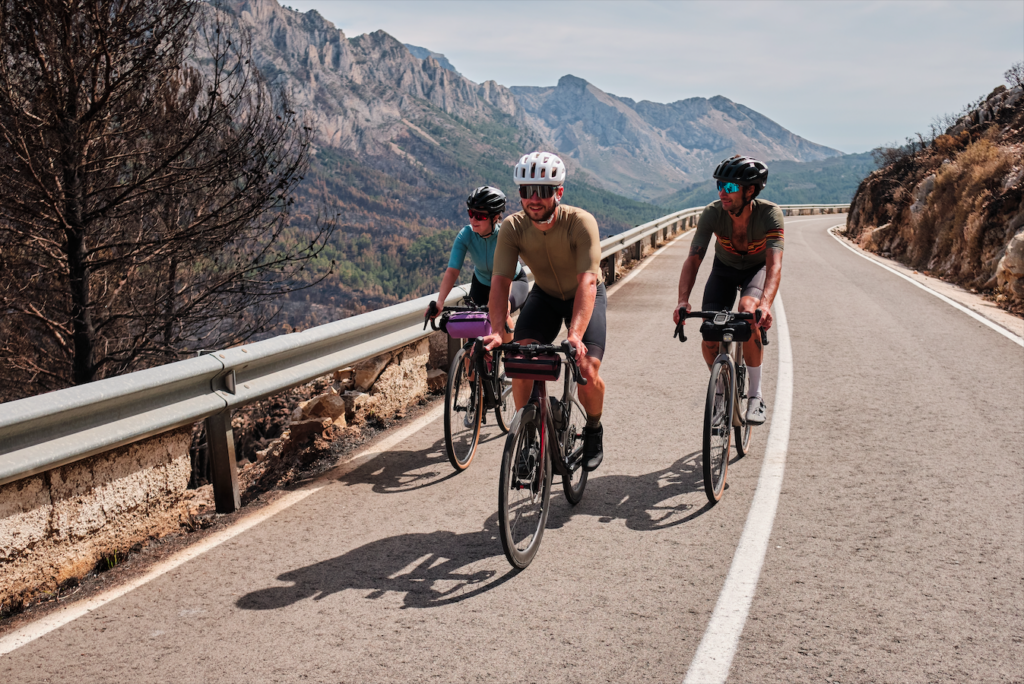
cyclists would be directed onto newly created segregated lanes running alongside or adjacent to the roadway. Photo credit: katyapulka/Shutterstock
Cyclists in Spain could lose access to some hard shoulders under new road regulations that allow authorities to redesign certain interurban roads and replace shoulders with segregated cycle lanes. The changes stem from Boletín Oficial del Estado publication of Royal Decree 899/2025, which updates aspects of Spain’s road infrastructure framework.
The reform permits the reduction or removal of hard shoulders on selected roads where protected cycling infrastructure is introduced. The regulation does not impose a nationwide ban on cyclists using hard shoulders. Under existing Spanish traffic laws, cyclists are still generally permitted to ride on the hard shoulder of interurban roads where it is considered passable and sufficiently safe.
Existing Rules for Cyclists Remain Largely Unchanged
For many years, Spanish traffic regulations have required cyclists travelling on interurban roads to use the hard shoulder whenever possible. These rules remain in place in areas where traditional road layouts continue unchanged. The latest reform instead focuses on infrastructure adaptation. Authorities may now redesign some roads by converting sections of the hard shoulder into dedicated cycle lanes separated from vehicle traffic.
The measure is intended to improve safety by creating clearer separation between cyclists and motor vehicles, particularly on roads with high traffic volumes or limited shoulder space. Spanish media reports clarified that the reform affects only roads selected for redesign and does not remove cyclists’ right to use remaining hard shoulders elsewhere in the country.
Segregated Cycle Lanes Could Replace Traditional Shoulders
Under the updated framework, regional and local authorities will be able to modify road layouts to introduce protected cycling infrastructure. In practice, this means some roads may no longer include the wide hard shoulders traditionally used by cyclists. Instead, cyclists would be directed onto newly created segregated lanes running alongside or adjacent to the roadway. The aim is to reduce direct interaction between bicycles and faster-moving traffic.
Spain has increased investment in cycling infrastructure in recent years, particularly in urban and suburban areas. However, interurban cycling routes have often continued to rely on hard shoulders rather than dedicated lanes. The new rules could therefore represent a gradual shift in how cycling infrastructure is designed outside cities, especially on routes frequently used by recreational cyclists and training groups.
Safety Concerns Have Long Been Part of the Debate
Road safety has been a recurring issue in discussions surrounding cycling in Spain. Cyclists have traditionally shared roads with cars, vans and heavy vehicles on many interurban routes, particularly in rural areas. Cycling organisations and road safety groups have repeatedly called for greater physical separation between bicycles and motor traffic following a number of serious accidents involving cyclists on Spanish roads.
Supporters of segregated infrastructure argue that dedicated lanes reduce collision risks by removing cyclists from direct traffic flow. Critics, however, have raised concerns that narrowing or removing hard shoulders could affect emergency stopping space for vehicles on some roads. The decree itself focuses on enabling infrastructure flexibility rather than mandating a uniform national design. Decisions on whether to alter specific roads will depend on local and regional authorities.
Changes Likely to Be Introduced Gradually
The reform does not require immediate changes across Spain’s road network. Any modifications to road layouts would be introduced progressively through infrastructure projects approved by the relevant authorities. As a result, cyclists will continue using hard shoulders on the vast majority of interurban roads for the foreseeable future. Only roads selected for redesign would see changes to the current arrangement.
Drivers travelling in Spain may eventually encounter more roads featuring separated cycling lanes rather than traditional shoulders shared with bicycles. However, implementation timelines are expected to vary between regions. The regulation forms part of broader efforts to adapt Spanish transport infrastructure to changing mobility patterns, including increased cycling participation and updated road safety planning.
Cyclists Still Allowed on Most Interurban Roads
Despite some reports suggesting cyclists are no longer allowed on hard shoulders in Spain, the legal position remains more limited in scope. The reform allows certain shoulders to be removed where alternative cycling infrastructure is built, but it does not prohibit cyclists from using hard shoulders nationwide.
Current traffic regulations requiring cyclists to use passable hard shoulders where available remain in force unless specific road redesigns alter the infrastructure. The changes therefore represent a potential restructuring of selected roads rather than a blanket restriction on cycling access across Spain’s transport network.
Follow Euro Weekly News on Google News
Get breaking news from Spain, travel updates, and expat stories directly on your Google News feed.
Follow on Google NewsSign up for personalised news
Subscribe to our Euro Weekly News alerts to get the latest stories into your inbox!
By signing up, you will create a Euro Weekly News account if you don't already have one. Review our Privacy Policy for more information about our privacy practices.



Molly Grace
Molly is a British journalist and author who has lived in Spain for over 25 years. With a background in animal welfare, equestrian science, and veterinary nursing, she brings curiosity, humour, and a sharp investigative eye to her work. At Euro Weekly News, Molly explores the intersections of nature, culture, and community - drawing on her deep local knowledge and passion for stories that reflect life in Spain from the ground up.
Comments