Reeves scraps income tax rise after surprise fiscal U-turn
By Natascha Rivera • Published: 14 Nov 2025 • 15:19 • 1 minute read
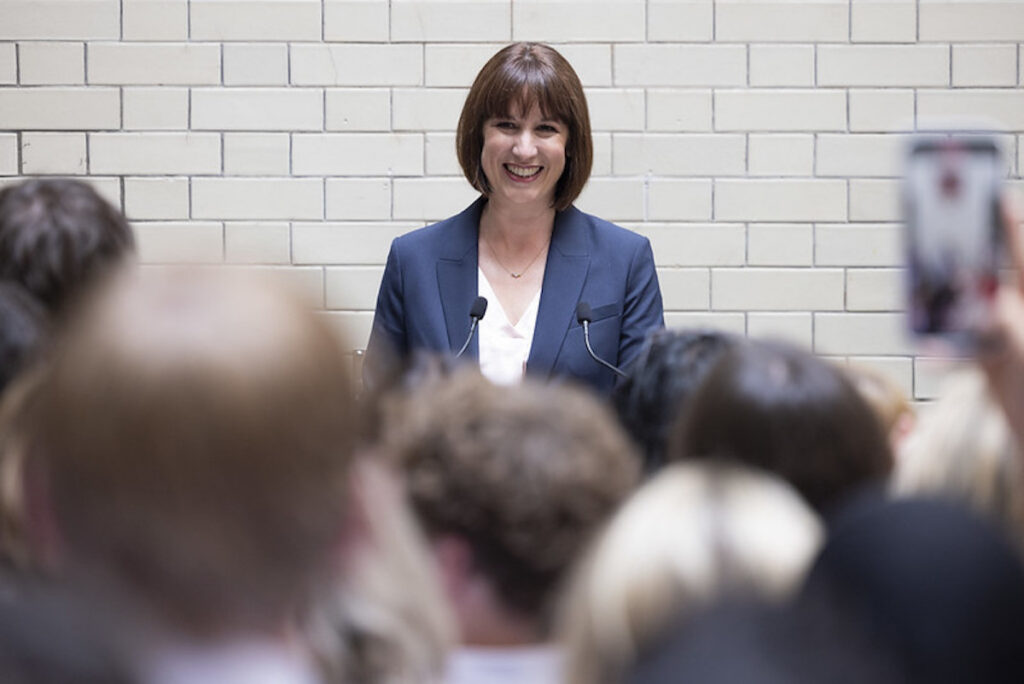
Reeves cancels income tax rise, unsettling markets and weakening the pound. Photo Credit: HM Treasury via Flickr
CHANCELLOR of the Exchequer Rachel Reeves has backtracked on the plan to raise the income tax, which was due to come into effect in late November. The sudden shift has taken the economic sphere by surprise, as Chancellor Reeves and other Labour Party ministers had in recent weeks strongly indicated that she would increase the tax. The decision to raise the tax would have also raised eyebrows, as it directly contradicts the Labour Party’s election manifesto.
Reeves backtracks on income tax hike, but with consequences
Reeves is expected to need to raise tens of billions of pounds in order to stay on track with her established targets, and her recent comments had pointed the way to surging income tax rates. Instead, reportedly, Chancellor Reeves has done away with the plan in part due to economic forecasts, which are more positive than previously expected.
However, the backtracking of this decision has affected the economy in other ways. Investors were largely caught off guard by the sudden decision, and the market reacted instantly. Directly following the decision, the pound has sharply dropped in value, indicating uncertainty in the government and a growing concern about the UK’s economic stability, which directly affects the confidence in – and value of – the currency.
Government borrowing, as a result, also rose in the aftermath of the sudden and unexpected announcement, with investors requiring more interest in order to compensate. The effect puts added pressure on the Treasury, which is already facing elevated borrowing costs due to climbing global interest rates.
What could happen following the abandonment of the plan
The shift also indicates less money available for public services and the possibility of spending cuts further down the line continues to loom over the UK. In addition, income tax thresholds could be frozen or lowered, or other taxes could be raised to compensate. A weaker pound could affect the public by making imported goods or holidays abroad more expensive.
The sudden move has highlighted the difference between political promises and economic realities, and the economic effects of making a sudden and unexpected decision, even if it is a small one at first glance.
Read more news from the UK here.
Follow Euro Weekly News on Google News
Get breaking news from Spain, travel updates, and expat stories directly on your Google News feed.
Follow on Google NewsSign up for personalised news
Subscribe to our Euro Weekly News alerts to get the latest stories into your inbox!
By signing up, you will create a Euro Weekly News account if you don't already have one. Review our Privacy Policy for more information about our privacy practices.





Natascha Rivera
Natascha is a Dominican writer based in Spain with a background in audiovisual and marketing communication. A lifelong reader and passionate storyteller, she brings a creative edge to her work at Euro Weekly News. Her multicultural perspective informs her coverage of lifestyle and community stories, offering fresh angles and relatable storytelling that connects with a diverse audience.
Comments