Why the UK’s gambling tax hike might backfire
By Guest Writer • Published: 18 Dec 2025 • 17:19 • 4 minutes read
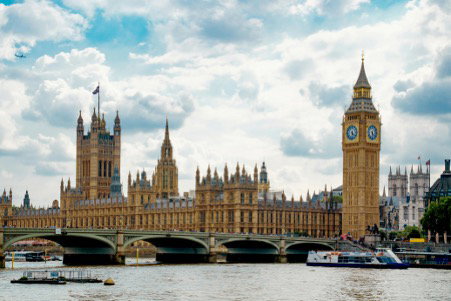
Image: Shutterstock.com
The UK government expects higher gambling taxes to deliver billions in new revenue over the coming years. But if the regulated market becomes less competitive, the real outcome may be a larger black market, weaker consumer protections and lower long-term receipts for the Treasury.
The latest changes to gambling taxation arrive at a moment when the UK’s fiscal position is already under strain. With limited headroom against borrowing rules and growing pressure to fund public services, sector-specific taxes have become an attractive lever for policymakers. On paper, gambling looks like a contained target. In practice, the consequences may be harder to control.
Raising taxes on licensed operators does not reduce demand for gambling itself. It changes where that activity takes place. In a digital market where switching platforms is frictionless, even small changes in competitiveness can have outsized effects.
When higher taxes change player behaviour
The government’s projections suggest the gambling tax changes could raise an additional £1.1bn a year by the end of the decade. Those forecasts assume activity remains largely within the regulated system. That assumption is already being questioned.
Independent forecasts suggest those revenue expectations may prove optimistic, warning that once player behaviour adjusts, the Treasury could collect far less than headline projections imply.
If you follow how regulated online gambling works in the UK, you will know that licensed operators operate under strict rules. They fund affordability checks, identity verification, safer gambling tools, dispute resolution, compliance teams and a growing statutory levy. Those safeguards cost money. When taxes rise sharply, operators are left with fewer options: absorb the hit, or pass it on.
You may have noticed how this pressure plays out at a consumer level. With the new tax changes affecting UK gambling, many players are checking the best online casinos in the UK on sites like igaming.com to see which licensed operators still meet UK Gambling Commission standards while offering bonus terms that remain competitive. Rather than pushing headline offers, the page compares UKGC-licensed casinos side by side, looking at payouts, payment methods, bonus conditions, withdrawal speeds and responsible gambling tools. In that moment, you are not searching for shortcuts. You are carefully considering security, fairness and value as the regulated market tightens.
In reality, most licensed operators respond by reducing incentives, adjusting odds or limiting flexibility. Unlicensed platforms do not face the same constraints. They do not pay UK gambling taxes. They are not bound by domestic consumer-protection rules. That imbalance is where the risk begins to surface.
The wider fiscal backdrop helps explain why gambling has come under scrutiny. Analysis of Labour’s tax pledges shows how tight margins against fiscal rules have pushed ministers to consider smaller, politically contained revenue sources alongside the main tax levers, including sector-specific duties such as gambling taxes, as outlined by the Institute for Government.
A growing black market problem
Industry bodies such as the Betting and Gaming Council have warned that steep tax increases undermine the regulated system by making unlicensed sites more attractive by comparison. Those warnings are not abstract.
Unregulated operators are not required to apply the same age verification, deposit limits or intervention tools. When gambling activity migrates offshore, those safeguards fall away. That does not reduce harm. It removes oversight.
International evidence reinforces the concern. In the Netherlands, a significant rise in gambling taxes was followed by a contraction in the legal market. Analysts have pointed to a substantial migration of online play towards unlicensed platforms, accompanied by weaker-than-expected government receipts. The lesson is not that regulation failed, but that a loss of competitiveness can hollow out the regulated channel.
In comparable scenarios, analysts have warned that sustained pressure on licensed operators can lead to the black market more than doubling in size as players migrate offshore.
Revenue expectations versus economic reality
The UK is not alone in facing this tension. Fiscal policy decisions frequently look sound in isolation but behave differently once consumers respond. You may remember how pressure on households and businesses followed Labour’s 2024 budget announcement, when measures designed to stabilise public finances carried knock-on effects across the economy.
Independent analysis commissioned by EY for the Betting and Gaming Council suggests the most aggressive gambling tax scenarios could risk more than 40,000 jobs, divert billions in stakes to the black market and reduce the sector’s overall contribution to the UK economy by £3.1bn. Even allowing for debate over methodology, the underlying concern is consistent: a shrinking regulated market tends to deliver less tax, not more.
Collateral damage beyond gambling
The consequences extend beyond gambling operators and players. Betting revenues support wider ecosystems, particularly horse racing, which relies heavily on bookmaker funding through media rights, sponsorship and the levy system. When regulated betting turnover falls, those funding streams weaken.
Recent debates around other tax changes show how easily policy effects can spill over. Farmers, for example, have warned that proposed property taxes could amount to a “double whammy” for working businesses, highlighting how reforms aimed at narrow targets can ripple outwards in unexpected ways.
A policy that risks working against itself
None of this is an argument against regulation. The UK’s framework remains among the most robust internationally. The risk lies in weakening it unintentionally.
If licensed operators lose ground to unregulated rivals, consumer protections erode. If legal activity declines, tax receipts fall. If confidence in the system slips, restoring it becomes harder and more costly.
You can already see why some analysts believe the current approach may need revisiting. Rachel Reeves has demonstrated a willingness to change course when forecasts shift and markets react, a pattern visible when she scrapped a planned income tax rise after a surprise fiscal U-turn.
The question facing policymakers is straightforward. If higher taxes push activity into the shadows, does the policy still achieve its aim? The evidence suggests that without careful calibration, the UK risks learning the answer through experience rather than design.
Sign up for personalised news
Subscribe to our Euro Weekly News alerts to get the latest stories into your inbox!
By signing up, you will create a Euro Weekly News account if you don't already have one. Review our Privacy Policy for more information about our privacy practices.





Guest Writer
Comments