Feslalí, the festival with focus on sustainability and local farming
By Santiago Carneri • Published: 23 Jan 2026 • 0:56 • 2 minutes read
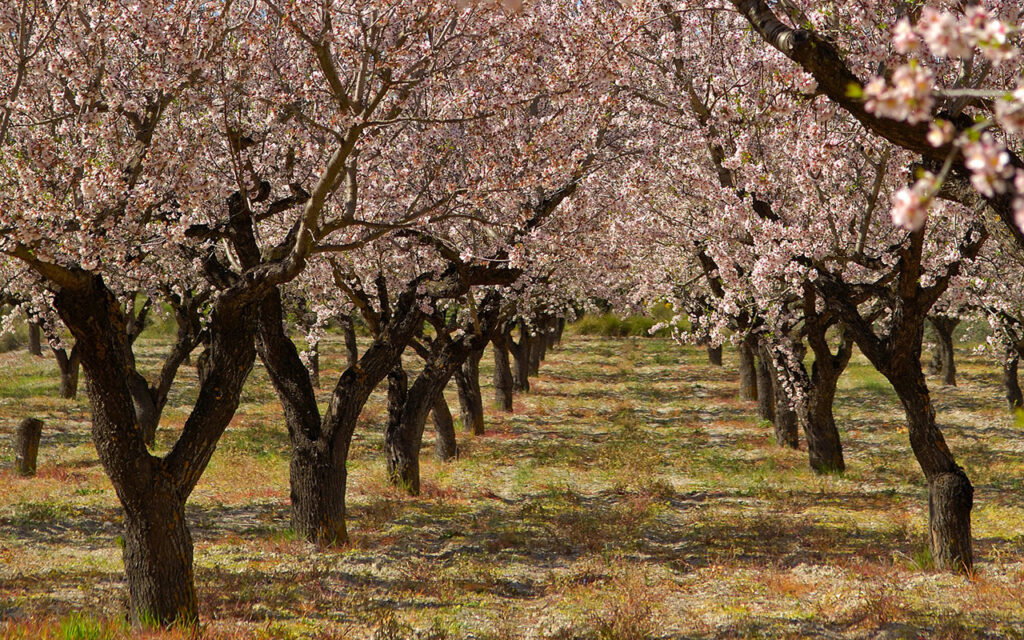
From almond blossom to a new agricultural narrative. Credit: Feslali.com
From February 1 to 22, Alcalalí will celebrate the tenth edition of Feslalí, the festival that for a decade has showcased the landscape, agriculture and identity of this Marina Alta municipality. This anniversary edition represents a turning point, opening a new chapter in which the carob tree becomes the central theme of the programme.
The shift reflects a broader strategy promoted by the local council, linking the festival to sustainability, territorial balance and the future of agriculture. Feslalí continues to be a meeting point for residents and visitors, while adapting its message to new environmental and economic realities.
From almond blossom to a new agricultural narrative
Since its creation, Feslalí has been closely associated with almond trees and their blossom, playing a key role in revitalising farming activity, stimulating local commerce and attracting inland tourism during the winter months. Almond blossom became both a visual and symbolic hallmark of the festival.
However, the arrival of Xylella fastidiosa and the subsequent containment policies, which led to the large-scale removal of almond trees, have profoundly transformed Alcalalí’s agricultural landscape. This situation has made it necessary to rethink not only the festival’s focus, but also its role within the local economy and territory.
The carob as a resilient crop for the future
In response, Alcalalí Town Council has spent the past year developing a strategy centred on the recovery and commercial viability of the carob. This work has been formalised through a technical study carried out with the collaboration of local agents and professionals.
Well adapted to Mediterranean dryland conditions, resilient to climate change and increasingly valued in food, cosmetic and industrial markets, the carob is presented as a realistic alternative for local farmers. Its recovery also helps preserve the traditional landscape and agricultural heritage of the area.
Four weekends of activities across February
The tenth edition of Feslalí unfolds over four weekends, offering a diverse programme that combines outreach, participation and entertainment. The carob acts as a common thread to explore agriculture, culture, landscape and future opportunities through multiple formats.
Guided walking routes, field visits to learn about the carob tree, informative talks, craft workshops, cultural and gastronomic competitions, live music and family activities will fill Alcalalí’s streets and public spaces throughout February, reinforcing the festival’s inclusive and community-driven spirit.
Culture, gastronomy and popular participation
Among the highlights are the competition for sweets made with carob, the second quick painting contest “Feslalí. February is Alcalalí”, ethnobotanical walks, birdwatching routes and workshops linked to traditional trades such as pottery, soap-making and palm weaving.
Music and gastronomy also play a central role, with concerts, dance classes, communal meals and festive gatherings designed to appeal to all ages. These activities help strengthen social ties while celebrating local culture and creativity.
The Fair of Trades and Products of the Land
The festival will culminate on February 21 and 22 with the Fair of Trades and Products of the Land. More than 30 stands will offer local and km0 products, alongside live demonstrations of traditional crafts, children’s workshops and a full programme of music and performances.
With this special edition, Feslalí reinforces its role as a driver of economic, social and cultural revitalisation, and as a showcase for a more diversified and sustainable agrarian model. From February 1 to 22, Alcalalí invites everyone to celebrate ten years of Feslalí and to discover a municipality firmly committed to its land, its heritage and its future.
Stay tuned with Euro Weekly News for the latest news about Europe and Costa Blanca.
Follow Euro Weekly News on Google News
Get breaking news from Spain, travel updates, and expat stories directly on your Google News feed.
Follow on Google NewsSign up for personalised news
Subscribe to our Euro Weekly News alerts to get the latest stories into your inbox!
By signing up, you will create a Euro Weekly News account if you don't already have one. Review our Privacy Policy for more information about our privacy practices.


Santiago Carneri
Santiago is a freelance journalist, writer, photographer, and documentary producer with over a decade of experience reporting from Paraguay and Brazil. His work has appeared in The New York Times, The Guardian, Vice News, BBC, Associated Press, France Press, Der Spiegel, Deutsche Welle, El País, and more. Now based in Dénia—his self-described secret paradise—Santi contributes to Euro Weekly News, bringing a global perspective to both local and international stories. Outside of journalism, he enjoys boxing and cultivating his home garden.
Comments