WHO Confirms Loss of Measles Elimination Status in Spain and UK
By Molly Grace • Updated: 27 Jan 2026 • 16:18 • 3 minutes read
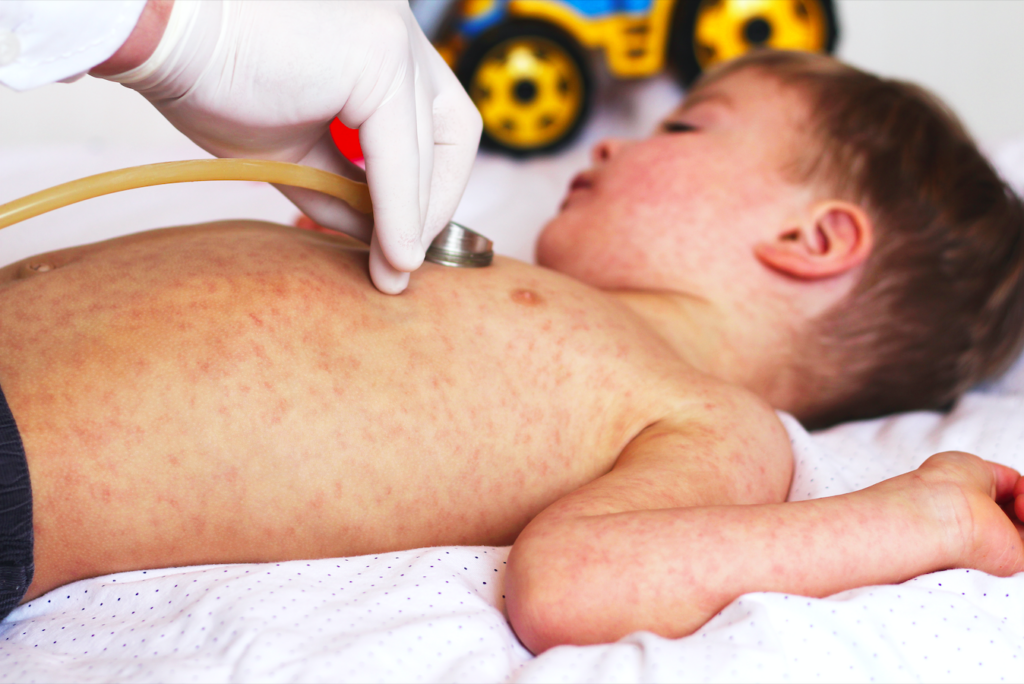
Health authorities across Europe are reviewing national immunisation programmes and intensifying public health campaigns. Photo credit: fotohay/Shutterstock
The World Health Organisation (WHO) has removed the designation of “eliminated endemic measles transmission” from both Spain and the United Kingdom, reflecting a resurgence of the highly contagious disease across the WHO European Region. The change affects multiple countries after independent expert review of surveillance data showed sustained or renewed transmission that no longer met the criteria for elimination.
The determinations were communicated through the European Regional Verification Commission for Measles and Rubella, an expert body established by the WHO to monitor measles and rubella epidemiology and verify elimination status.
Spain and the UK previously achieved elimination status, Spain in 2016, recognised since 2017, and the UK initially in 2016 and restored more recently, but recent data submitted to the WHO indicated that endemic transmission could no longer be ruled out. WHO officials said this reflects broader regional trends linked to rising case numbers and gaps in vaccine coverage that have allowed measles to regain footholds in several countries.
Criteria and Epidemiological Evidence
Measles elimination status is not tied to the absence of all cases; imported infections do not in themselves negate elimination. However, elimination requires that no continuous chains of endemic transmission are detected for 12 months or more and that surveillance systems reliably detect and document all suspected cases. When these conditions are not met, local transmission may be considered re-established.
In Spain, the WHO verification commission reviewed data from 2024 showing multiple confirmed measles cases and clusters across different regions. Spanish health authorities reported 227 confirmed cases in 2024, followed by 397 cases in 2025, with a substantial proportion among individuals who were unvaccinated or under-vaccinated. Although many infections were linked to importation, the pattern of cases led WHO experts to conclude that sustained circulation could not be excluded.
The UK’s loss of status was based on epidemiological reporting for 2024, when measles transmission was documented across the country after years of low incidence. National surveillance recorded 3,681 confirmed cases in 2024, the highest in over a decade, and resurgence was attributed to insufficient vaccination uptake in some communities. Data indicated that a high proportion of the population had not received the two doses of MMR (measles, mumps and rubella) vaccine needed to maintain herd immunity.
Broader Regional Context
Spain and the UK are among six European countries whose measles elimination status has been removed recently. Other nations affected include Austria, Armenia, Azerbaijan and Uzbekistan. WHO regional officials have noted that Europe is experiencing significant measles activity, with persistent transmission in multiple countries and periodic outbreaks linked to immunity gaps.
Measles is one of the most infectious viral diseases known, spread through respiratory droplets and direct contact. High vaccination coverage, generally at least 95 per cent for both doses of the measles-containing vaccine, is required to prevent sustained transmission and protect vulnerable populations. When coverage falls below this threshold, communities become susceptible to outbreaks following virus importation.
Vaccination Coverage and Public Health Challenges
Health authorities in Spain reported high national coverage for the first dose of the measles vaccine in 2024, reaching above 97 per cent, with second-dose coverage just under 94 per cent. However, regional disparities and groups with lower uptake contributed to susceptibility. The Spanish Ministry of Health said it will intensify vaccination efforts and update its strategic plan to address gaps and aim to recover elimination status.
In the UK, vaccine uptake has declined in recent years, particularly for the second dose, with coverage for five-year-olds falling below WHO thresholds in 2024–25. Public health officials have pointed to vaccine hesitancy, access issues and performance variability among local health services as contributing factors, prompting increased efforts to expand MMR and newer combined MMRV (measles, mumps, rubella and varicella) vaccination offers.
Looking Forward
The WHO emphasises that loss of elimination status is not irreversible. Countries can regain the designation once they demonstrate interruption of endemic transmission for at least 12 months along with robust surveillance and outbreak response systems. Re-establishment of high vaccination coverage, targeted outreach to under-immunised communities and strengthened public health infrastructure form the cornerstone of efforts to control measles and protect children and adults alike.
Health authorities across Europe are reviewing national immunisation programmes and intensifying public health campaigns, even as they continue monitoring evolving measles activity and evaluating strategies to prevent further spread.
Follow Euro Weekly News on Google News
Get breaking news from Spain, travel updates, and expat stories directly on your Google News feed.
Follow on Google NewsSign up for personalised news
Subscribe to our Euro Weekly News alerts to get the latest stories into your inbox!
By signing up, you will create a Euro Weekly News account if you don't already have one. Review our Privacy Policy for more information about our privacy practices.





Molly Grace
Molly is a British journalist and author who has lived in Spain for over 25 years. With a background in animal welfare, equestrian science, and veterinary nursing, she brings curiosity, humour, and a sharp investigative eye to her work. At Euro Weekly News, Molly explores the intersections of nature, culture, and community - drawing on her deep local knowledge and passion for stories that reflect life in Spain from the ground up.
Comments
CCW60
28 January 2026 • 15:41What does anyone expect when these countries continue to allow massive numbers of unvaccinated migrants into their countries? Of course diseases once thought to be eradicated are going to show up again, or worse, new ones appear.
Lee
29 January 2026 • 10:30the same scum who pulled the covid scam, lol yer alright
Comments are closed.