PP and Vox seek pact to block Sánchez’s allies from controlling Spain’s senate
By Molly Grace • Published: 20 Oct 2026 • 23:50 • 3 minutes read
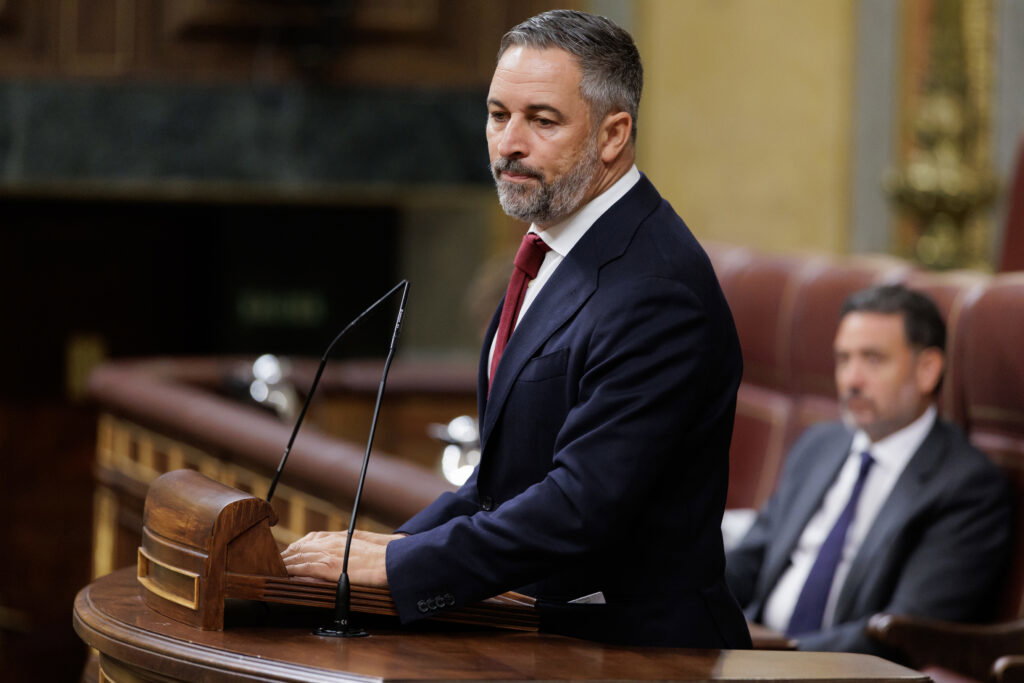
One possibility is for Vox to withdraw its candidates in selected provinces. Photo credit: Congresos.es
Spain’s next general election could reshape the balance of power in the Senate, with the PP and Vox now discussing how to prevent left-wing parties from gaining control of the chamber. The negotiations could also determine who has the numbers to influence key appointments, including judges on the Constitutional Court. PP leader Alberto Núñez Feijóo has confirmed that talks with Vox are under way, but neither party is revealing the details.
He says it would be a mistake to allow what he calls sanchismo, a term used by opponents of Prime Minister Pedro Sánchez to describe his political approach, to gain control of the Senate, directly or indirectly. The discussions follow an agreement between the PSOE, Frente Amplio and other left-wing and regional parties to coordinate their Senate candidates in an attempt to prevent the right from securing a stronger majority. For the PP and Vox, the challenge is to avoid splitting conservative votes between competing candidates in constituencies where a coordinated left-wing vote could win additional seats.
Why they need the Senate
Although the Congreso de Diputados is the chamber that determines who forms the government, the Senate has considerable influence over legislation and certain institutional appointments. The PP already holds an absolute majority in the upper chamber. Feijóo now wants to secure three-fifths of the seats, a threshold that would give the party and its allies greater influence over appointments to institutions such as the constitutional court.
Four of its judges are awaiting replacement, including its president, Cándido Conde-Pumpido. That is why the negotiations matter beyond the immediate election campaign. The outcome could affect the balance of power within one of Spain’s most important institutions, even if the result in Congress is different.
What are PP and Vox considering?
The two parties can no longer register a formal joint electoral coalition because the deadline has passed. They are therefore considering alternative ways to coordinate their Senate strategy. One possibility is for Vox to withdraw its candidates in selected provinces, allowing conservative voters to concentrate their support on the PP. Another is a so-called ‘2+1’ arrangement, under which PP ballot papers would include two PP candidates and a third candidate associated with Vox as an independent. The PP could also offer Vox representation through senators appointed by regional parliaments, although no final agreement has been announced. These are options under discussion, not confirmed arrangements.
The electoral system helps explain the negotiations. In most mainland provincial constituencies, voters can select up to three Senate candidates, while four senators are elected. The candidates with the highest individual vote totals win the seats, which can give the leading political bloc a significant advantage. If conservative voters divide their support between PP and Vox candidates, the left could benefit. Coordinating candidates could help the right maximise the seats it wins.
Feijóo calls for discretion
Feijóo confirmed the talks in an interview with Spanish radio station COPE on Tuesday, October 20. He said the parties would continue discussions while respecting an agreement to keep the negotiations private. He also pointed to existing cooperation between the two parties in regional governments, where agreements have helped Vox secure five senators appointed by regional parliaments.
“If Vox rises to the occasion, the PP will too,” Feijóo said, indicating that any arrangement would have to involve concessions from both sides. He described the aim of keeping the Senate out of Sánchez’s control as a shared challenge. The relationship between the parties has not always been straightforward. Vox previously withdrew from several regional coalition governments with the PP following disagreements over the distribution of unaccompanied migrant children. Feijóo has since suggested that those disputes have been overcome and that there is now greater trust between the two parties.
The left has already made its move
The negotiations began after the PSOE and Frente Amplio agreed to coordinate their Senate candidacies, with support from regional parties in some constituencies. Their strategy is intended to prevent the division of left-wing votes from making it easier for the PP to retain its majority. The agreement was announced after the deadline for registering electoral coalitions had closed, preventing the PP and Vox from simply adopting the same formal arrangement.
Neither the PP nor Vox has confirmed which constituencies could be affected or what concessions might form part of a final deal. With the general election scheduled for November 29, the parties face a limited window to settle on a strategy. For voters, the negotiations could influence who controls the Senate and who has the numbers to shape important institutional appointments. For now, Feijóo and Vox leader Santiago Abascal are keeping their options open while the talks continue.
Follow Euro Weekly News on Google News
Get breaking news from Spain, travel updates, and expat stories directly on your Google News feed.
Follow on Google NewsSign up for personalised news
Subscribe to our Euro Weekly News alerts to get the latest stories into your inbox!
By signing up, you will create a Euro Weekly News account if you don't already have one. Review our Privacy Policy for more information about our privacy practices.



Molly Grace
Molly is a British journalist and author who has lived in Spain for over 25 years. With a background in animal welfare, equestrian science, and veterinary nursing, she brings curiosity, humour, and a sharp investigative eye to her work. At Euro Weekly News, Molly explores the intersections of nature, culture, and community - drawing on her deep local knowledge and passion for stories that reflect life in Spain from the ground up.
Comments