Driving on the AP-7? Catalonia just put 10 mobile speed cameras on the road
By Farah Mokrani • Published: 09 Feb 2026 • 13:26 • 3 minutes read
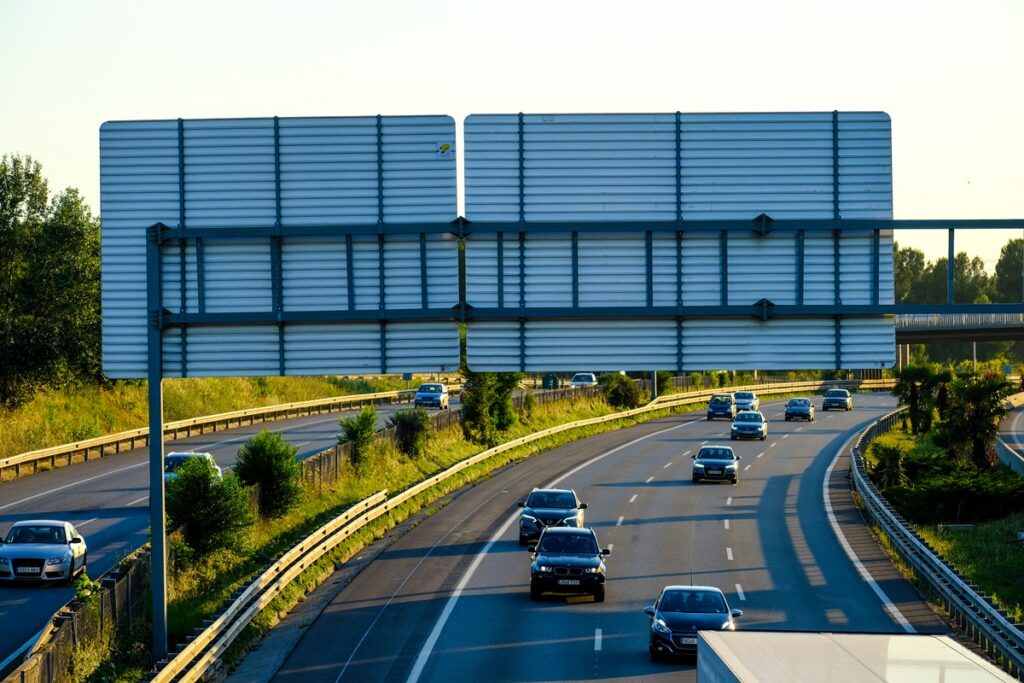
Catalonia increases speed monitoring on the 344km AP-7 with new mobile radar units. Credit : csp, Shutterstock
If you use the AP-7 regularly, this is worth knowing.
From this week, the entire 344 kilometres of the AP-7 in Catalonia – from La Jonquera to Ulldecona – are now under mobile speed surveillance. Not just the usual accident hotspots. Not just a few sensitive stretches. The whole motorway.
Six new mobile speed cameras have been added to the four that were already operating, bringing the total to ten. The goal, according to the Catalan government, is clear: reduce accidents and keep speeds under control across the full length of one of Spain’s busiest roads.
The announcement was made by Interior Minister Núria Parlon in Parliament, in the middle of broader discussions about mobility problems in Catalonia. But for drivers, the key takeaway is simple – enforcement has just stepped up a gear.
No more “safe” stretches: the whole AP-7 is being watched
Until now, speed controls on the AP-7 tended to focus on specific sections. That approach has changed.
Authorities have decided not to apply controls “by stretch”, but across the entire motorway. The 344 kilometres between the French border and the south of Tarragona are now all part of the same monitoring plan.
This shift comes after a year of testing with four mobile radar units. In 2025 alone, those four devices monitored around 11 million vehicles and resulted in 585,000 fines, according to figures from the Catalan Traffic Service.
What’s striking is how quickly driver behaviour changed. In the first days after a radar was installed, about 5% of vehicles were caught speeding. Within a couple of weeks, that figure dropped to around 2%.
In other words, once drivers realised the cameras were there, many eased off the accelerator.
And no, the radars aren’t hidden traps. Authorities say they will be clearly signposted wherever they are operating. The intention, they insist, is not to catch people out – but to make sure limits are respected.
Keep in mind that speed limits vary along the AP-7. While much of the motorway allows 120 km/h, some sections are lower. Between El Papiol and Parets del Vallès, for example, the limit is currently 100 km/h. If a mobile unit is placed there, that’s the speed being enforced.
Each week, in coordination with the Mossos d’Esquadra, officials will decide where to position the mobile radar cabins – often moving them every month or two.
Trucks also under the microscope
Speed isn’t the only focus.
Since tolls were removed, traffic on the AP-7 has surged – especially heavy goods vehicles. Lorries are involved in a significant number of serious incidents, and when they’re part of an accident, the resulting traffic jams can stretch for miles.
So alongside the mobile radars, authorities are increasing checks on freight transport.
Large-scale inspections — often carried out in former toll areas like Martorell or La Roca – will be stepped up. These allow officers to stop trucks safely and check that drivers are complying with legally required rest periods.
Fatigue has been linked to several cases where trucks have left the roadway. Officials say stricter monitoring of driving hours is essential if accident rates are to fall.
Why now?
The AP-7 is no ordinary motorway. It’s one of Spain’s main arteries, running along the Mediterranean corridor and linking France with southern Spain.
Since the end of tolls, more drivers have chosen it – commuters, holidaymakers, and transport companies alike. That increase in traffic has brought more congestion and, inevitably, more risk.
Rather than targeting just a handful of danger zones, the Catalan government has opted for broader coverage. The idea is to create a consistent deterrent effect along the entire route.
For drivers, that means one thing: if you’re travelling on the AP-7, assume speed limits are being checked – wherever you are.
Whether the expanded surveillance will significantly reduce accidents in 2026 remains to be seen. But one thing is certain: the days of thinking “there won’t be a radar here” on this motorway are probably over.
If you use the AP-7 regularly, it might be time to double-check your speedometer.
Follow Euro Weekly News on Google News
Get breaking news from Spain, travel updates, and expat stories directly on your Google News feed.
Follow on Google NewsSign up for personalised news
Subscribe to our Euro Weekly News alerts to get the latest stories into your inbox!
By signing up, you will create a Euro Weekly News account if you don't already have one. Review our Privacy Policy for more information about our privacy practices.





Farah Mokrani
Farah is a journalist and content writer with over a decade of experience in both digital and print media. Originally from Tunisia and now based in Spain, she has covered current affairs, investigative reports, and long-form features for a range of international publications. At Euro Weekly News, Farah brings a global perspective to her reporting, contributing news and analysis informed by her editorial background and passion for clear, accurate storytelling.
Comments
DJH
10 February 2026 • 14:52And the accident rate dropped by ??????, what is the percentage against traffic usage, this can be subdivided into various categories. But no, let’s generate more money for the government and the police etc, this is a normal cash grab, legalised because this is the government.
Comments are closed.